


In the village of Braemar, deep within the Cairngorms, one remarkable hotel is proving that preserving culture doesn't have to mean leaving it in the past.
The best heritage hotels don't simply tell the story of a place. They become part of its next chapter.
Few embody that idea quite like The Fife Arms.
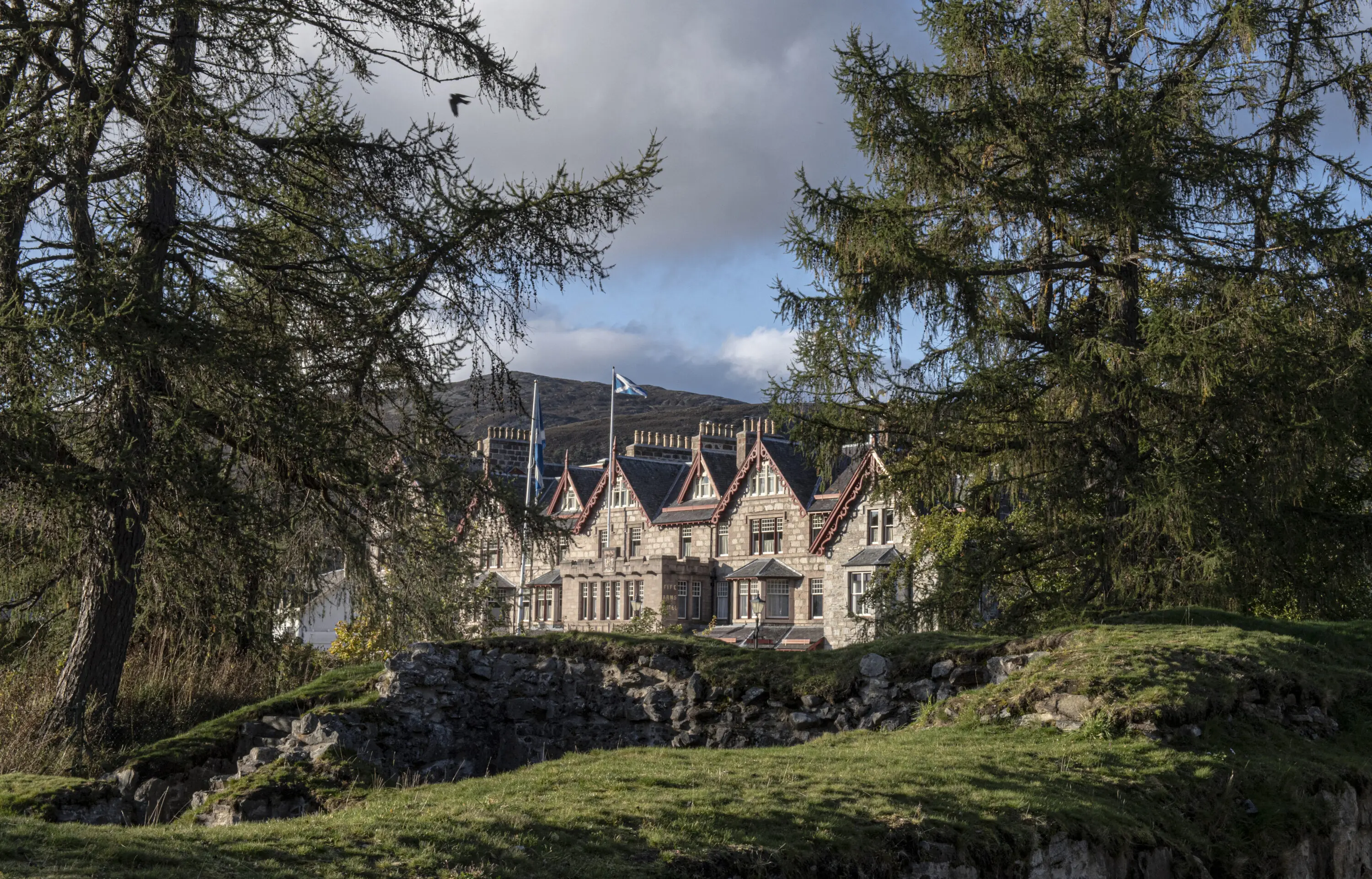
Set in the small Highland village of Braemar, the hotel began life as a 19th-century coaching inn built by the Duke of Fife. When Iwan and Manuela Wirth, founders of Hauser & Wirth and independent hospitality company Artfarm, took it on, their ambition went far beyond creating another luxury country hotel.
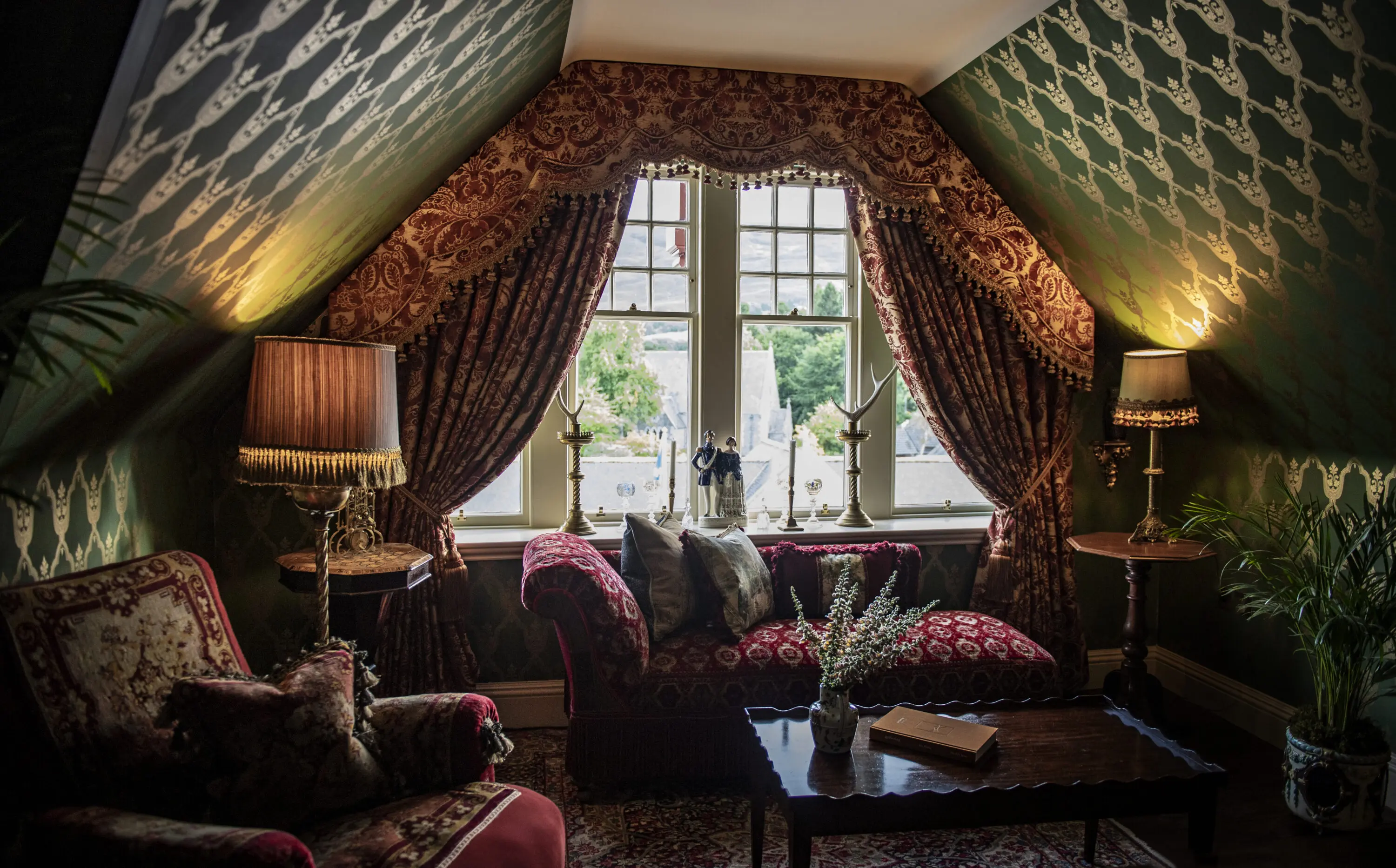
The building was sensitively restored, but its connection to Braemar runs much deeper than its architecture. Scottish history, landscape and creativity have been woven throughout the experience: bespoke tartans and tweeds by Araminta Campbell, locally inspired carved bedsteads, rooms dedicated to figures from Scottish cultural history, and a collection of more than 16,000 artworks, antiques and specially commissioned pieces. Even the hotel's 47 rooms tell individual stories connected to Braemar and the Highlands.
But perhaps the most interesting part of The Fife Arms story is what has happened beyond the hotel itself.
Set in the small Highland village of Braemar, the hotel began life as a 19th-century coaching inn built by the Duke of Fife. When Iwan and Manuela Wirth, founders of Hauser & Wirth and independent hospitality company Artfarm, took it on, their ambition went far beyond creating another luxury country hotel.
The building was sensitively restored, but its connection to Braemar runs much deeper than its architecture. Scottish history, landscape and creativity have been woven throughout the experience: bespoke tartans and tweeds by Araminta Campbell, locally inspired carved bedsteads, rooms dedicated to figures from Scottish cultural history, and a collection of more than 16,000 artworks, antiques and specially commissioned pieces. Even the hotel's 47 rooms tell individual stories connected to Braemar and the Highlands.
But perhaps the most interesting part of The Fife Arms story is what has happened beyond the hotel itself.
A hotel becoming a cultural stage
Rather than simply borrowing from the cultural identity of the Highlands, The Fife Arms is actively contributing to it.
In recent years, the hotel has created its own programme of festivals and events that bring writers, designers, artists and other creative voices to Braemar, transforming this tiny Highland village into an unexpected meeting place for international culture.
The Braemar Literary Festival is perhaps the clearest example. The festival brings leading writers, thinkers and literary voices to the Cairngorms for a programme of talks, conversations and events. In doing so, The Fife Arms is creating another reason for people to make the journey to Braemar, while placing the village itself at the heart of the experience.
Then there is the Festival of Fashion, bringing the worlds of fashion, craftsmanship and design to this extraordinary Highland setting. It feels particularly fitting for a hotel where textiles and craftsmanship are already so central to its identity, from bespoke tartans and tweeds to the work of Scottish makers throughout the property.
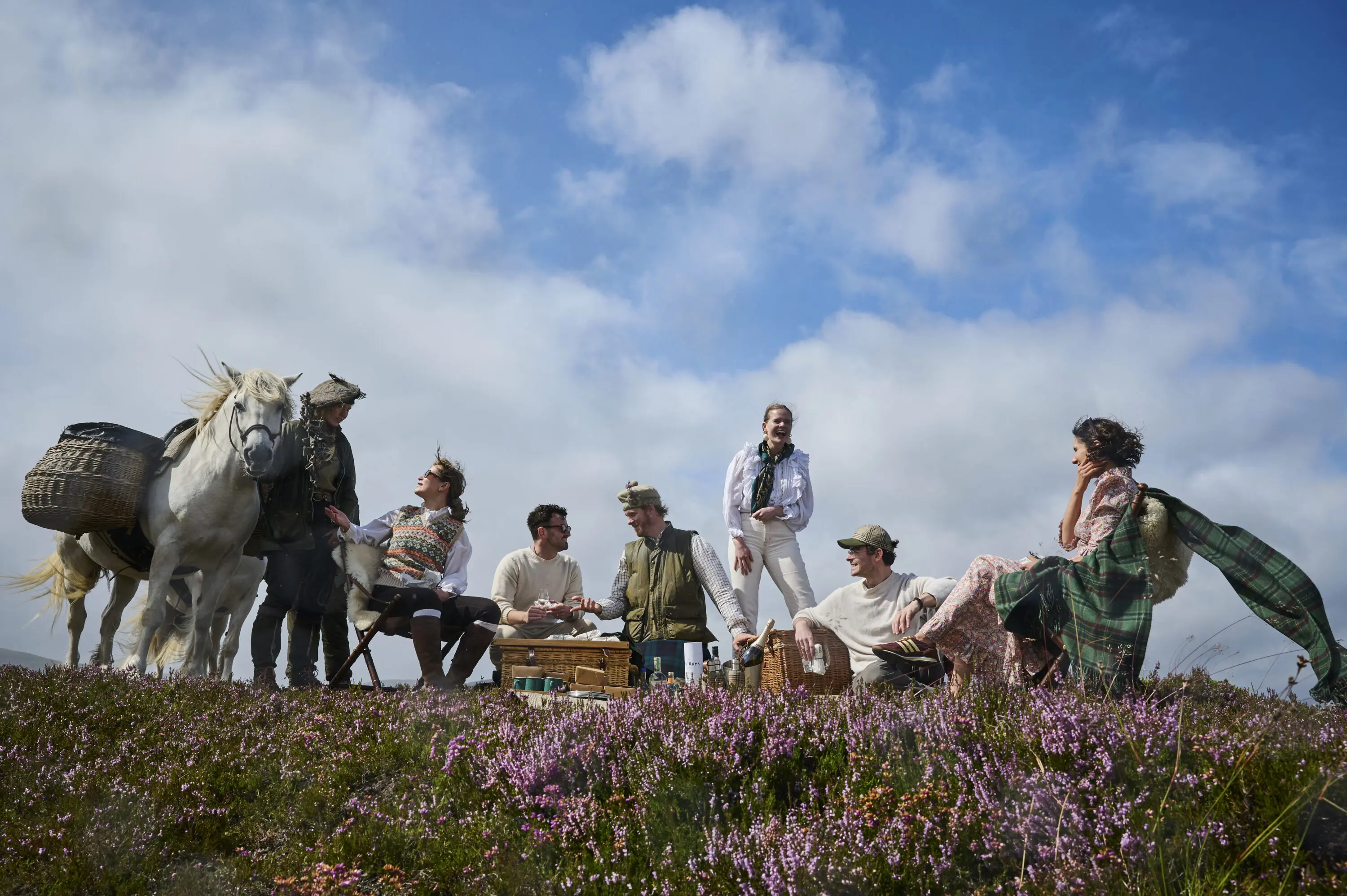
And the cultural programme doesn't end with the headline festivals. Throughout the year, The Fife Arms hosts creative experiences ranging from writing and wild sketching to slow photography, art tours and Scottish history tours. Guests can even design their own tartan, while complimentary creative workshops are held for families during school holidays.
In summer, the programme expands further, giving both visitors and the local community more reasons to gather in Braemar.
In recent years, the hotel has created its own programme of festivals and events that bring writers, designers, artists and other creative voices to Braemar, transforming this tiny Highland village into an unexpected meeting place for international culture.
The Braemar Literary Festival is perhaps the clearest example. The festival brings leading writers, thinkers and literary voices to the Cairngorms for a programme of talks, conversations and events. In doing so, The Fife Arms is creating another reason for people to make the journey to Braemar, while placing the village itself at the heart of the experience.
Then there is the Festival of Fashion, bringing the worlds of fashion, craftsmanship and design to this extraordinary Highland setting. It feels particularly fitting for a hotel where textiles and craftsmanship are already so central to its identity, from bespoke tartans and tweeds to the work of Scottish makers throughout the property.
And the cultural programme doesn't end with the headline festivals. Throughout the year, The Fife Arms hosts creative experiences ranging from writing and wild sketching to slow photography, art tours and Scottish history tours. Guests can even design their own tartan, while complimentary creative workshops are held for families during school holidays.
In summer, the programme expands further, giving both visitors and the local community more reasons to gather in Braemar.
Rooted in village life
Importantly, The Fife Arms still feels connected to the everyday life of Braemar.
The Flying Stag isn't simply a hotel bar. It is Braemar's original village pub, reimagined but still frequented by local residents in search of a pint and pie. Twice a week, local musicians provide live entertainment. Elsewhere, the hotel's food celebrates Scottish produce, while art and craftsmanship remain present throughout the guest experience.
That relationship between hotel and village is precisely what makes The Fife Arms so interesting to us at The Libra Guide.
There is always a danger that when a historic building becomes a luxury hotel, the culture surrounding it becomes little more than decoration: tartan on a cushion, an old photograph on a wall, a locally inspired dish on the menu.
The Fife Arms takes a different approach.
It preserves what was already here, celebrates the people and stories that shaped the Highlands, and creates new reasons for culture to continue gathering in Braemar.
The result is somewhere that feels less like a hotel transplanted into the Scottish Highlands and more like a cultural institution that could only exist here.
And perhaps that is the most meaningful form of authenticity of all: not simply preserving the story of a place, but helping to write what comes next.
The Flying Stag isn't simply a hotel bar. It is Braemar's original village pub, reimagined but still frequented by local residents in search of a pint and pie. Twice a week, local musicians provide live entertainment. Elsewhere, the hotel's food celebrates Scottish produce, while art and craftsmanship remain present throughout the guest experience.
That relationship between hotel and village is precisely what makes The Fife Arms so interesting to us at The Libra Guide.
There is always a danger that when a historic building becomes a luxury hotel, the culture surrounding it becomes little more than decoration: tartan on a cushion, an old photograph on a wall, a locally inspired dish on the menu.
The Fife Arms takes a different approach.
It preserves what was already here, celebrates the people and stories that shaped the Highlands, and creates new reasons for culture to continue gathering in Braemar.
The result is somewhere that feels less like a hotel transplanted into the Scottish Highlands and more like a cultural institution that could only exist here.
And perhaps that is the most meaningful form of authenticity of all: not simply preserving the story of a place, but helping to write what comes next.