Join The Libra Guide Collection Our Story Contact
Book Jack’s Camp for Book Jack’s Camp
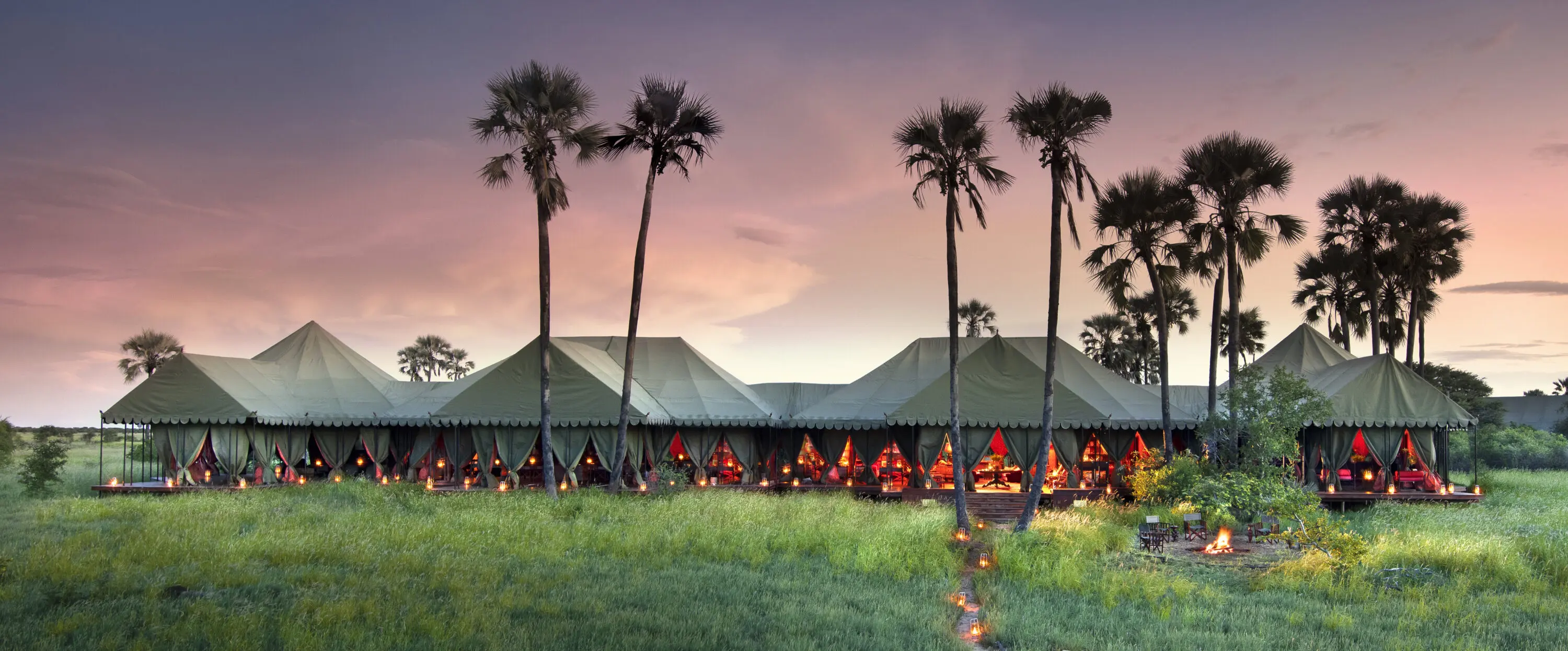
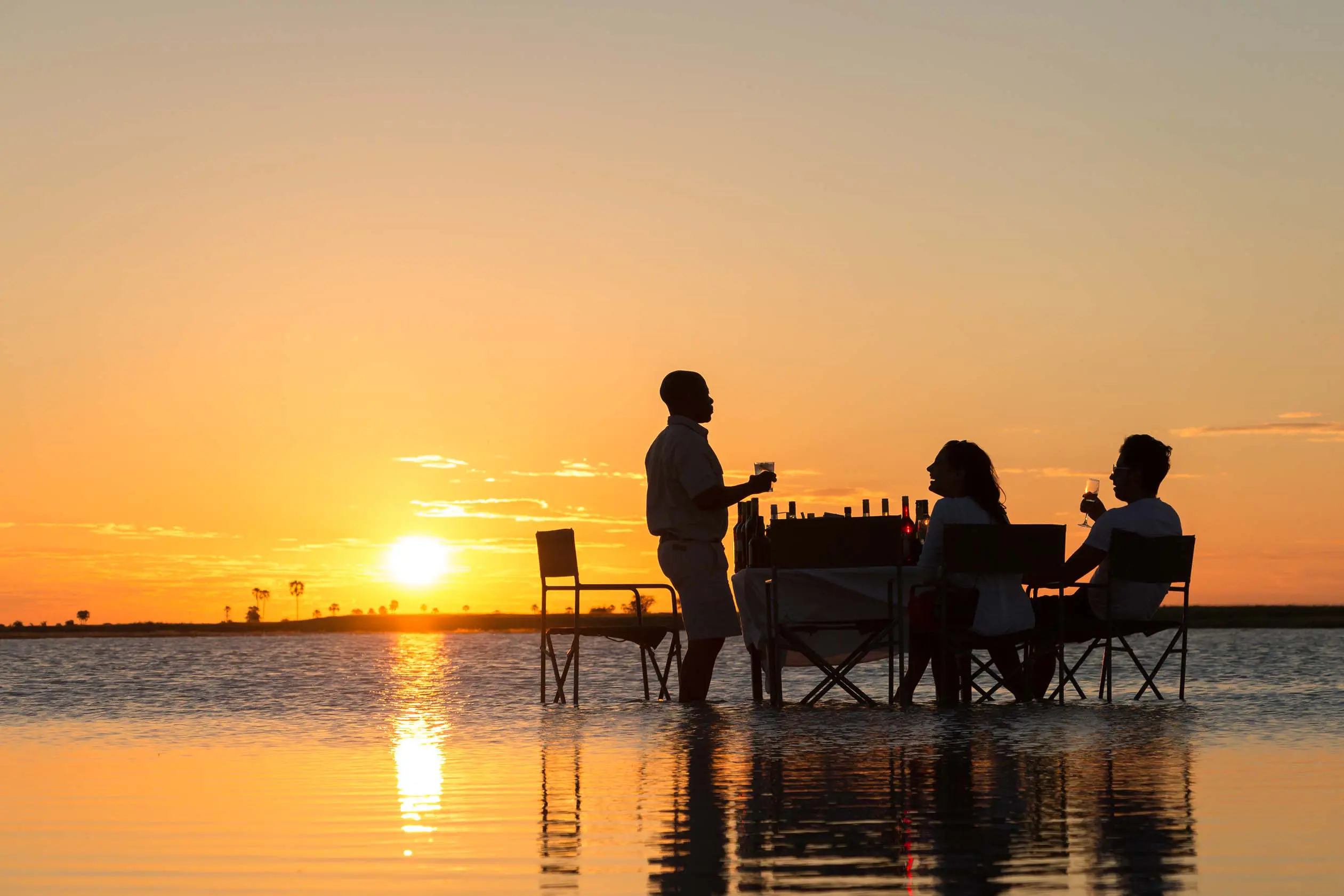
Jack’s Camp is a romantic desert retreat that blends 1940s safari glamour with one of Africa’s most surreal and soul-stirring landscapes.

Story

Jack’s Camp’s story begins in the 1960s, when legendary explorer and crocodile catcher Jack Bousfield first ventured into Botswana’s remote Makgadikgadi Salt Pans. Captivated by the vastness and strange beauty of this ancient landscape, he set up a simple camp on the very site that still bears his name today, convinced others would one day be drawn to its magic too. 

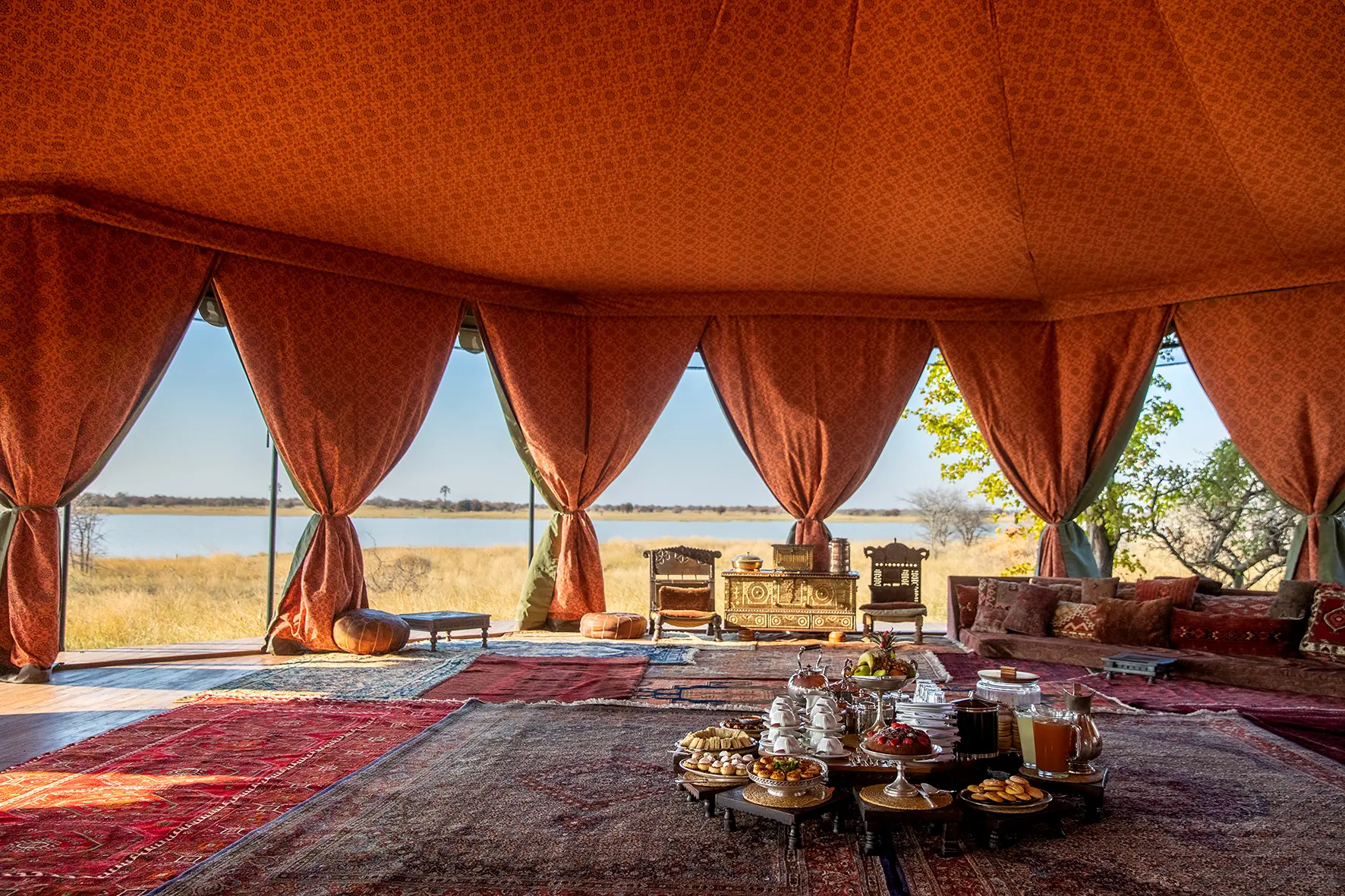
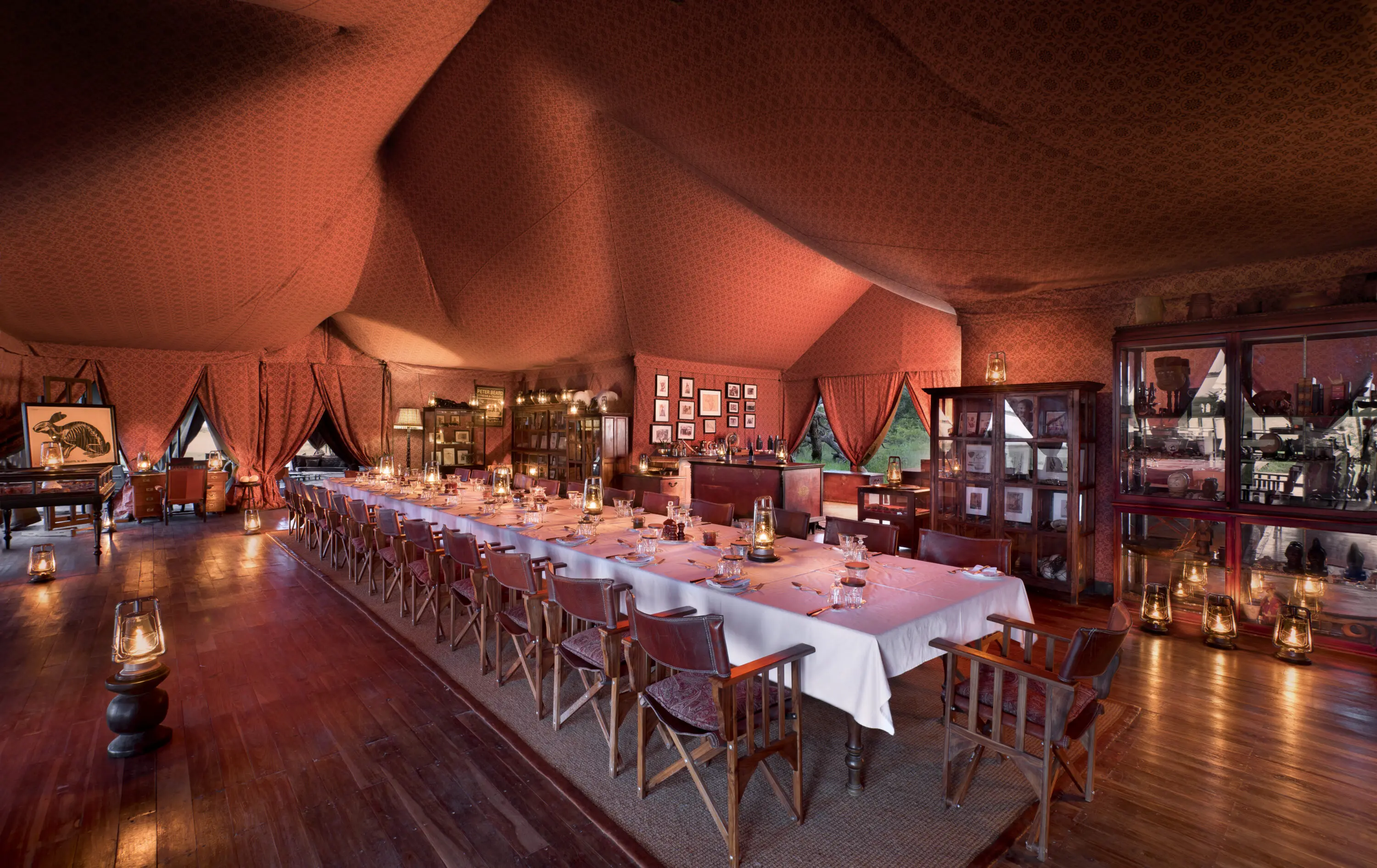
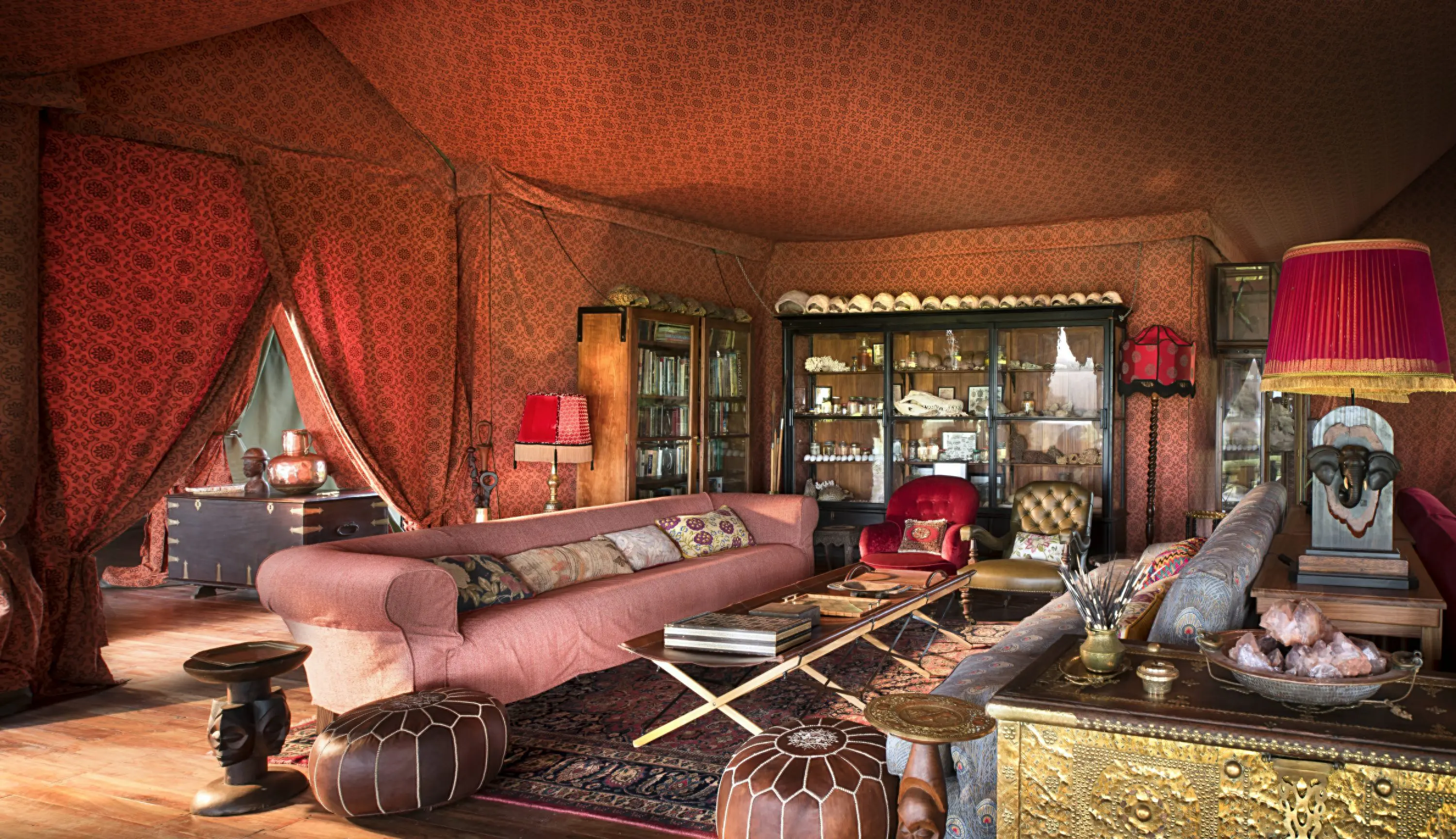
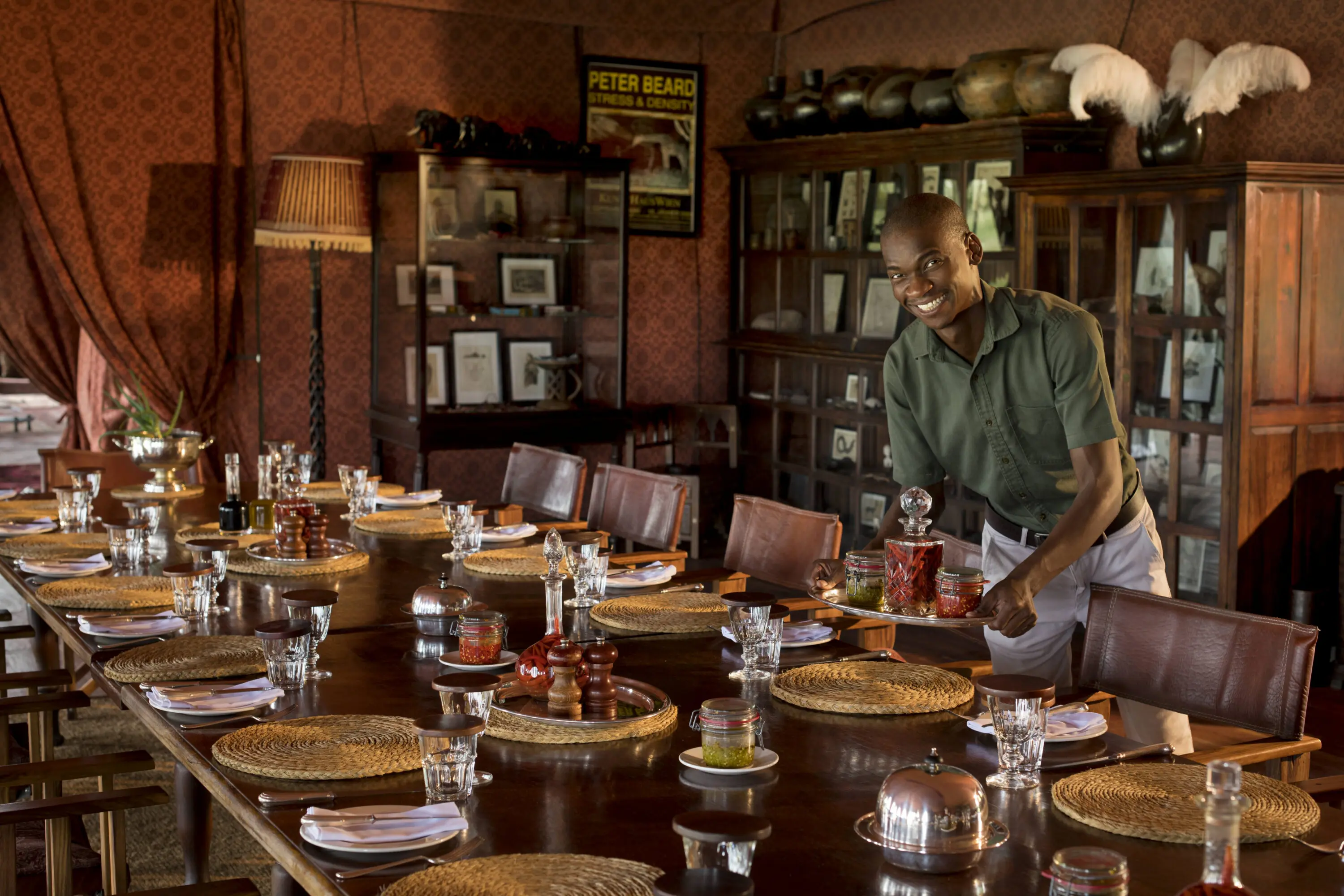
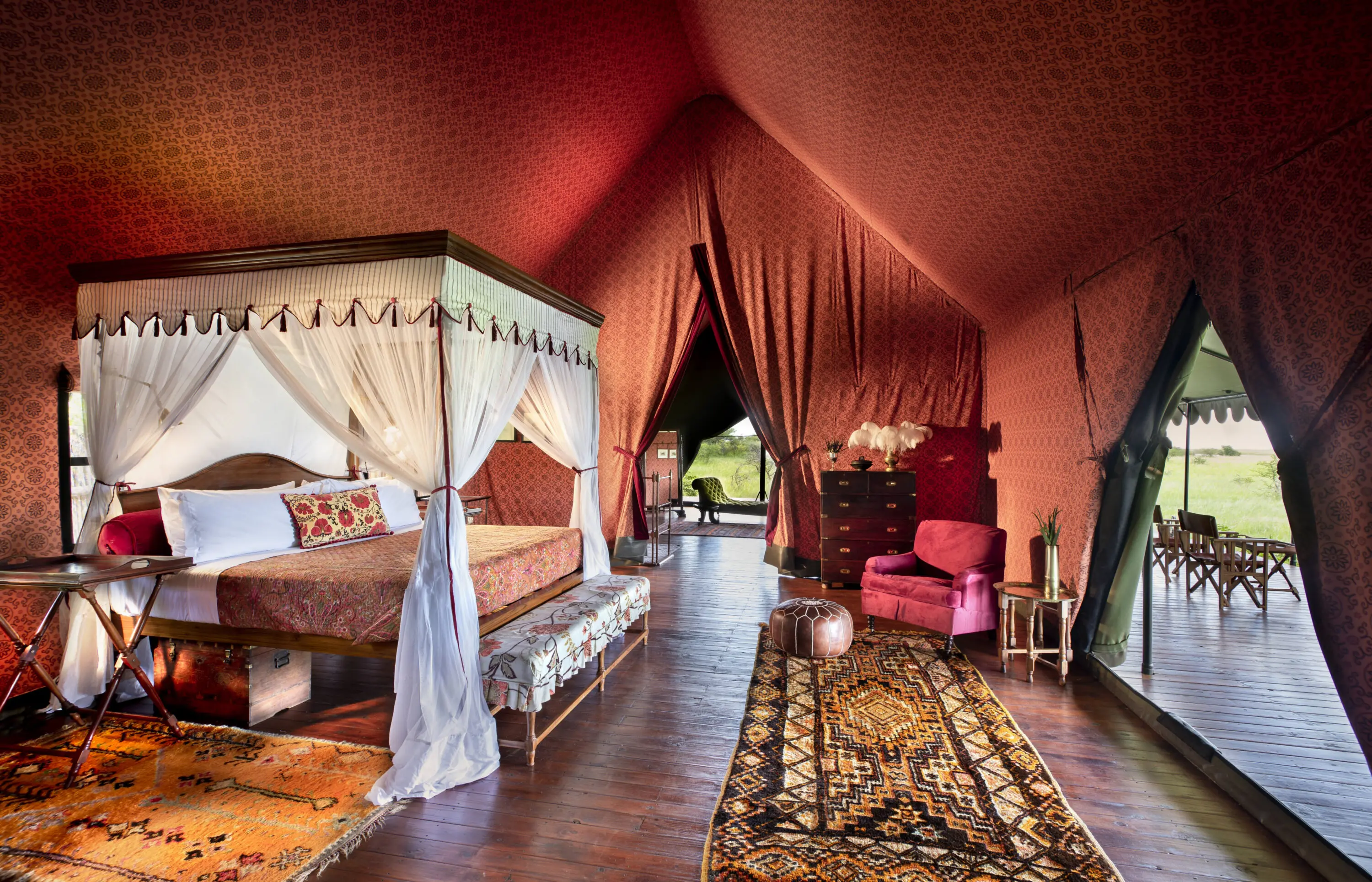
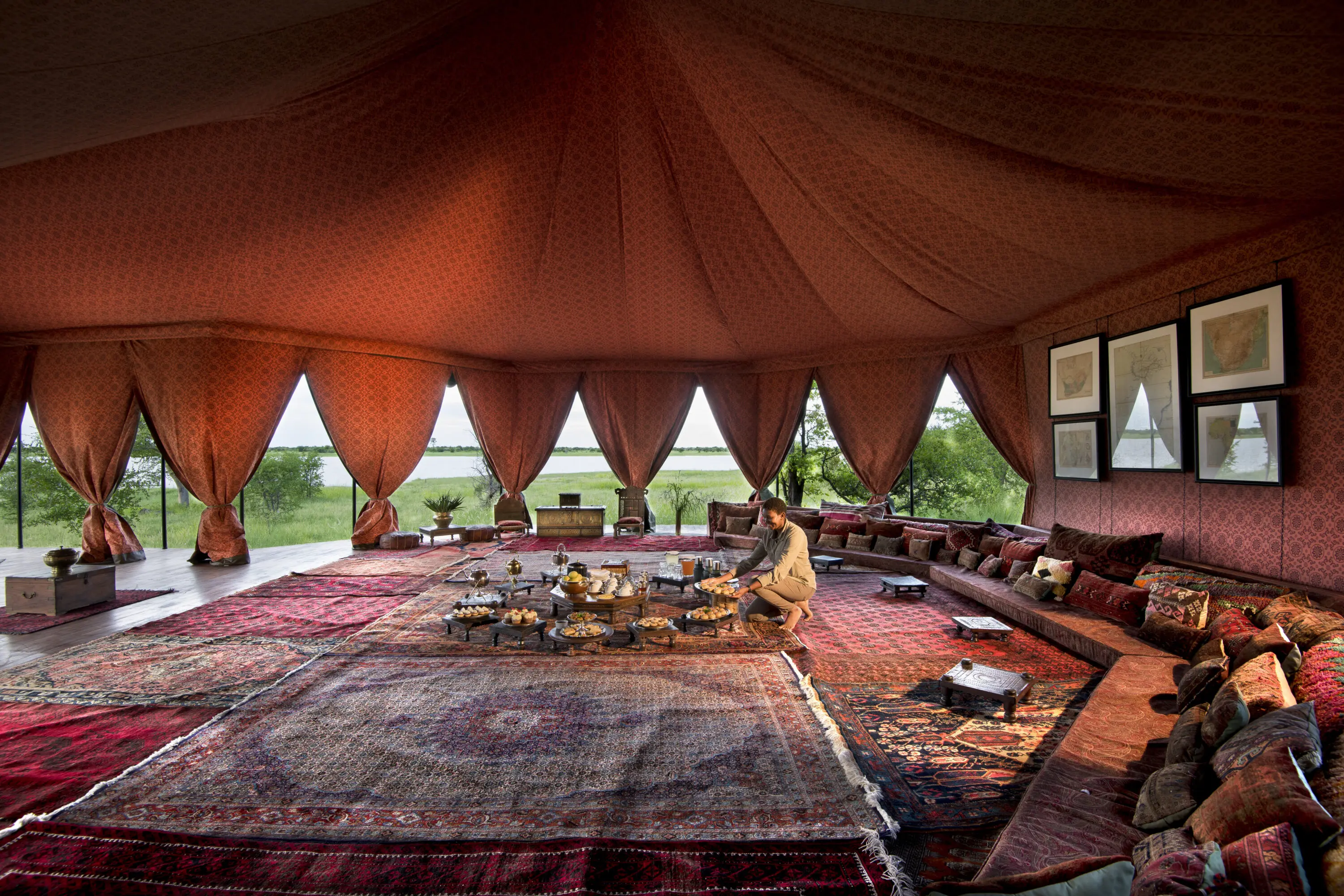
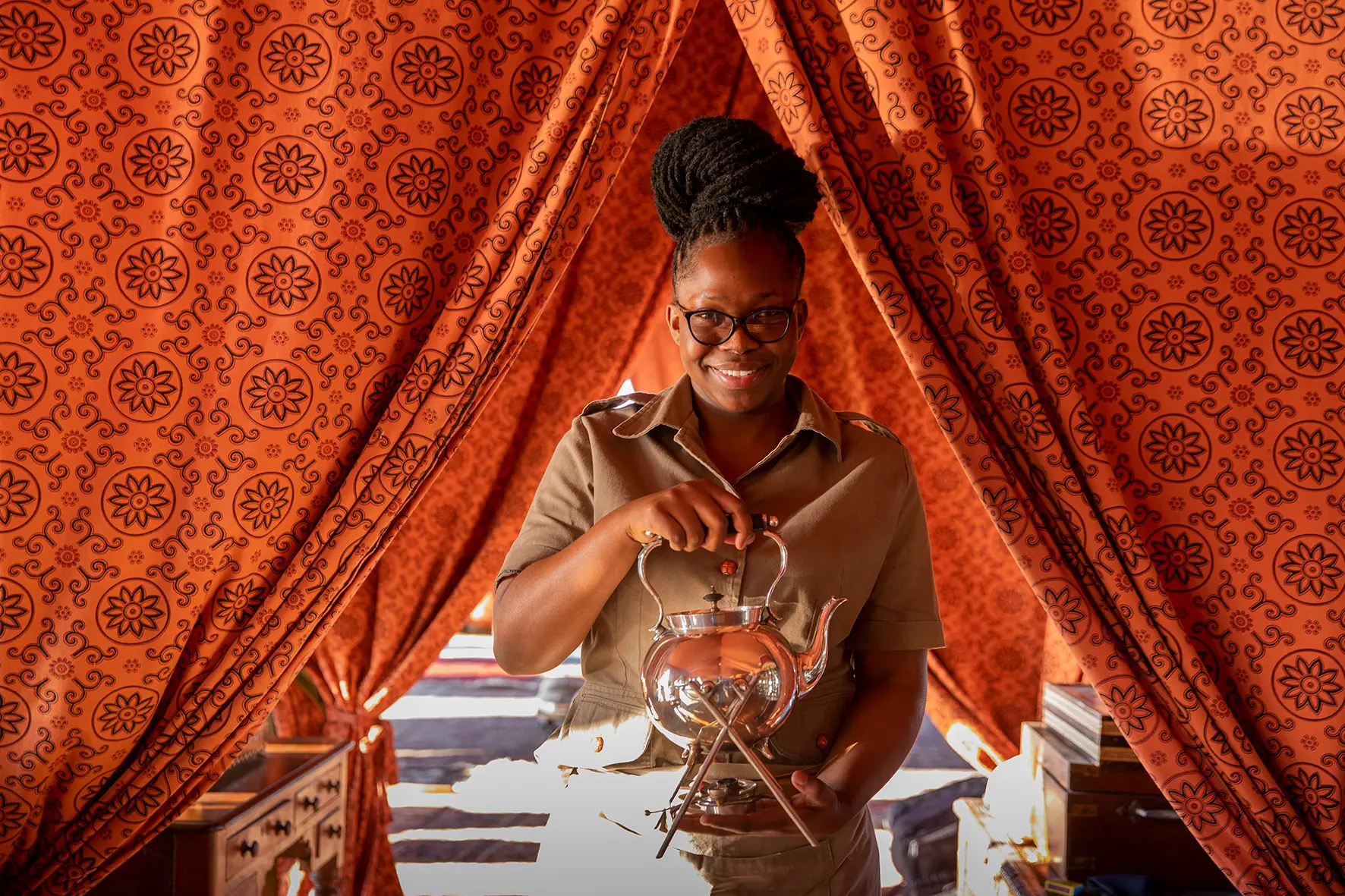
Following Jack’s death in 1992, his son Ralph Bousfield reimagined the camp as a tribute to his father’s pioneering spirit, layering the original desert outpost with the nostalgic romance of 1940s East African safari style. Persian rugs, mahogany campaign furniture, natural history cabinets, and family heirlooms collected over decades give the camp its now-iconic character, preserving the soul of the original vision while elevating it into one of Africa’s most storied stays.

Local life & traditions

This is the land of the San bushmen, whose ancestral knowledge of the Kalahari has shaped life across the Makgadikgadi for thousands of years. Tracking animal prints in the dust, reading weather shifts on the horizon, and understanding the hidden movements of desert wildlife remain part of a living knowledge system passed down through generations.

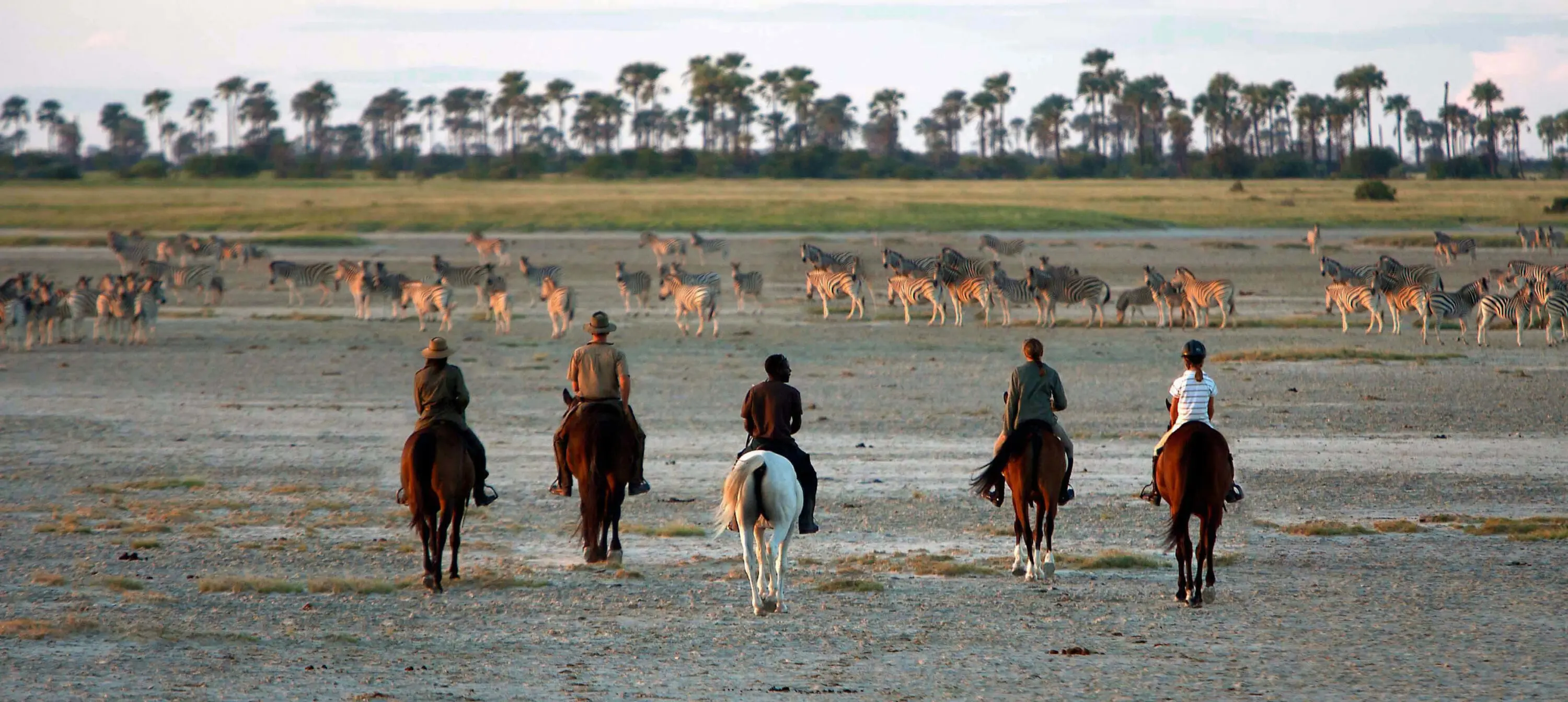
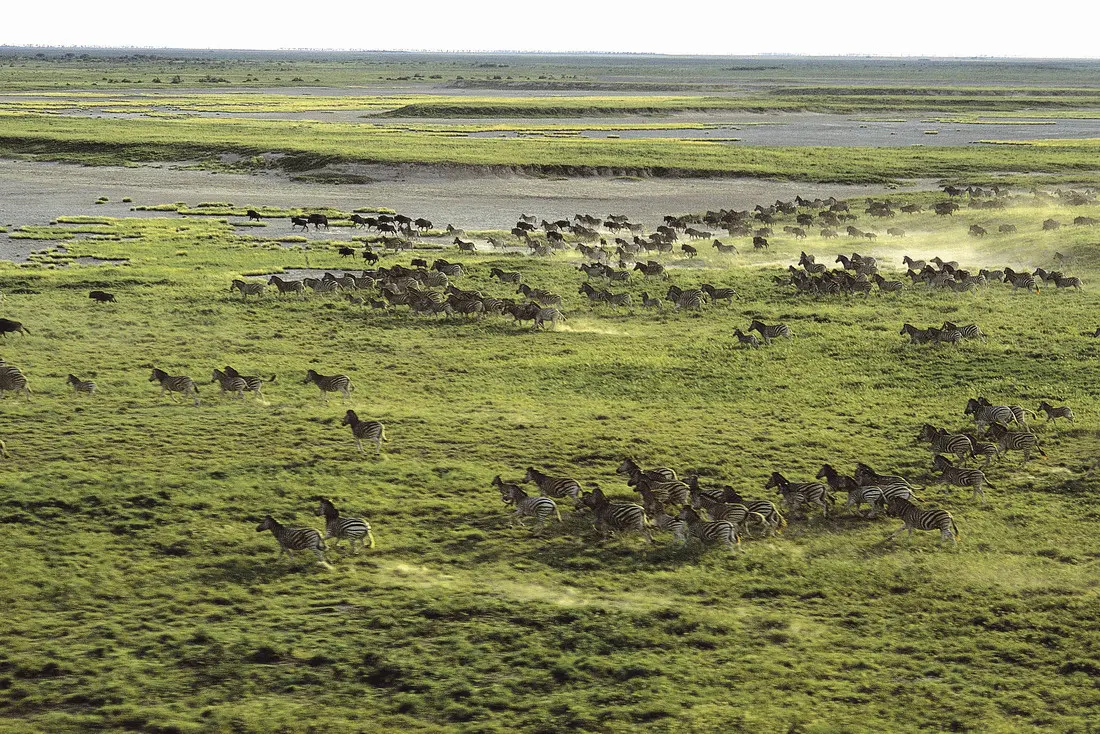
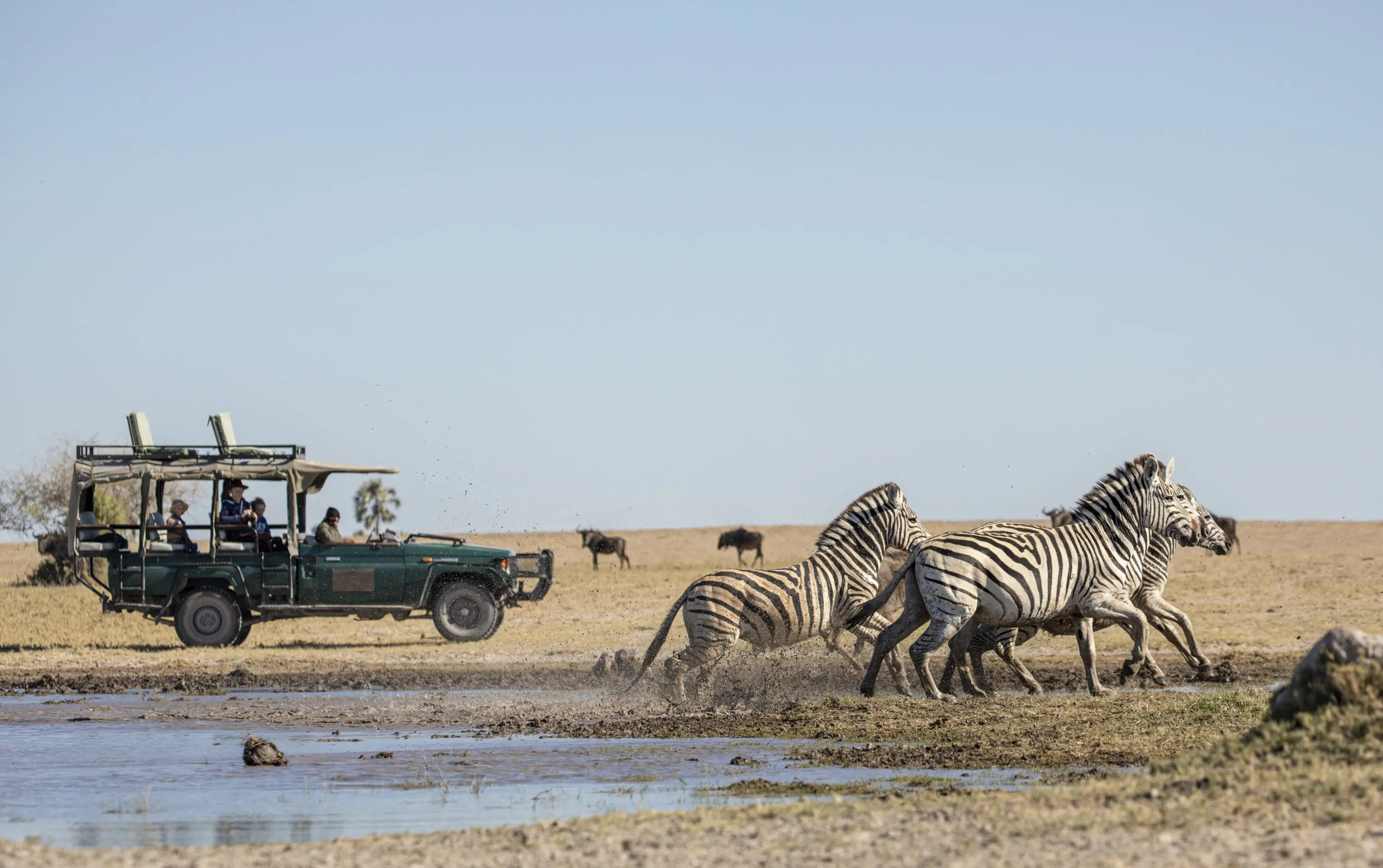
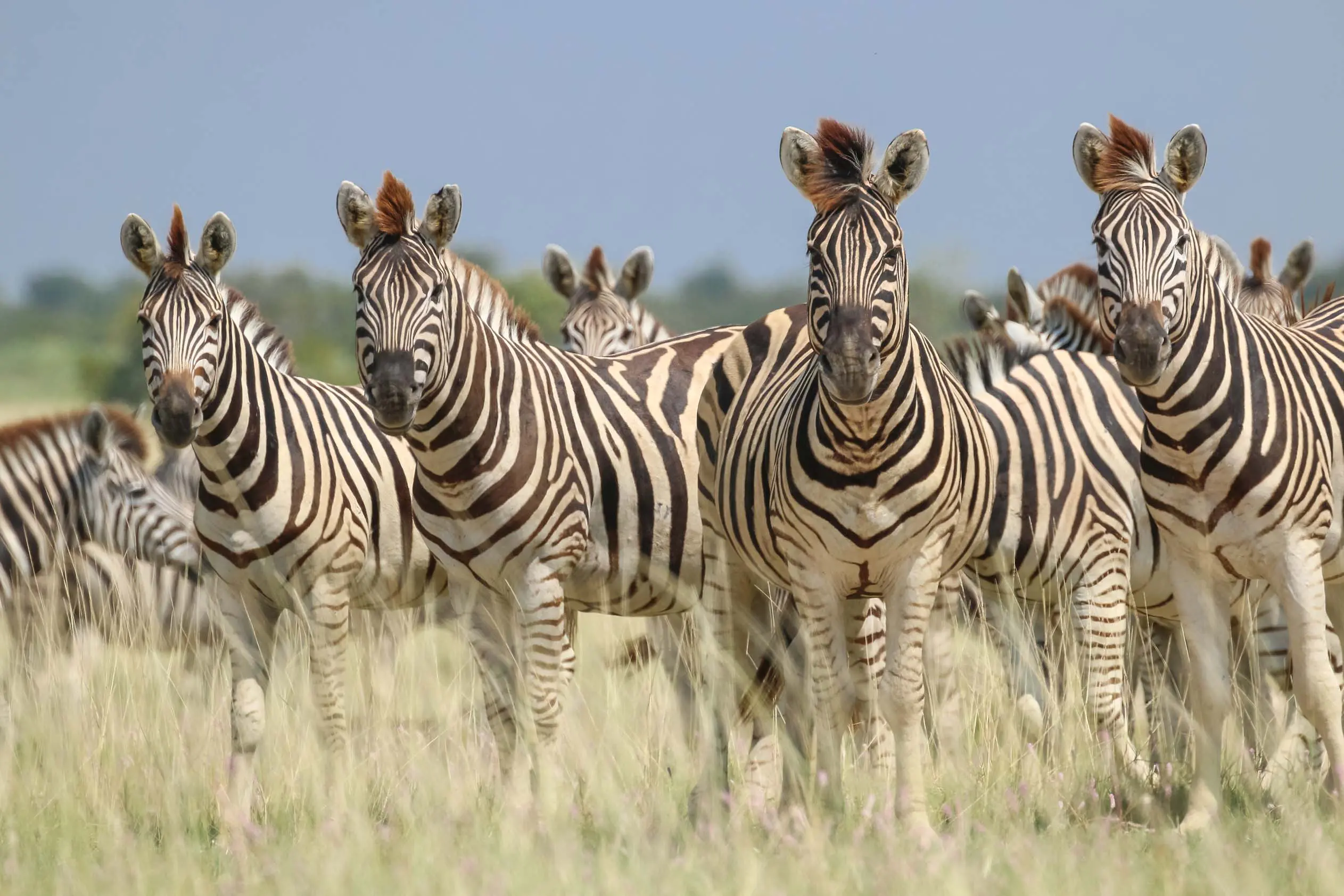
The salt pans, remnants of an ancient super-lake, still move to dramatic seasonal rhythms - from the dry season’s vast lunar silence to the rains that draw zebra migrations, flamingos, and bursts of desert life back across the plains. Palm islands, meerkat colonies, and fossil-rich landscapes give the region a powerful sense of deep time.

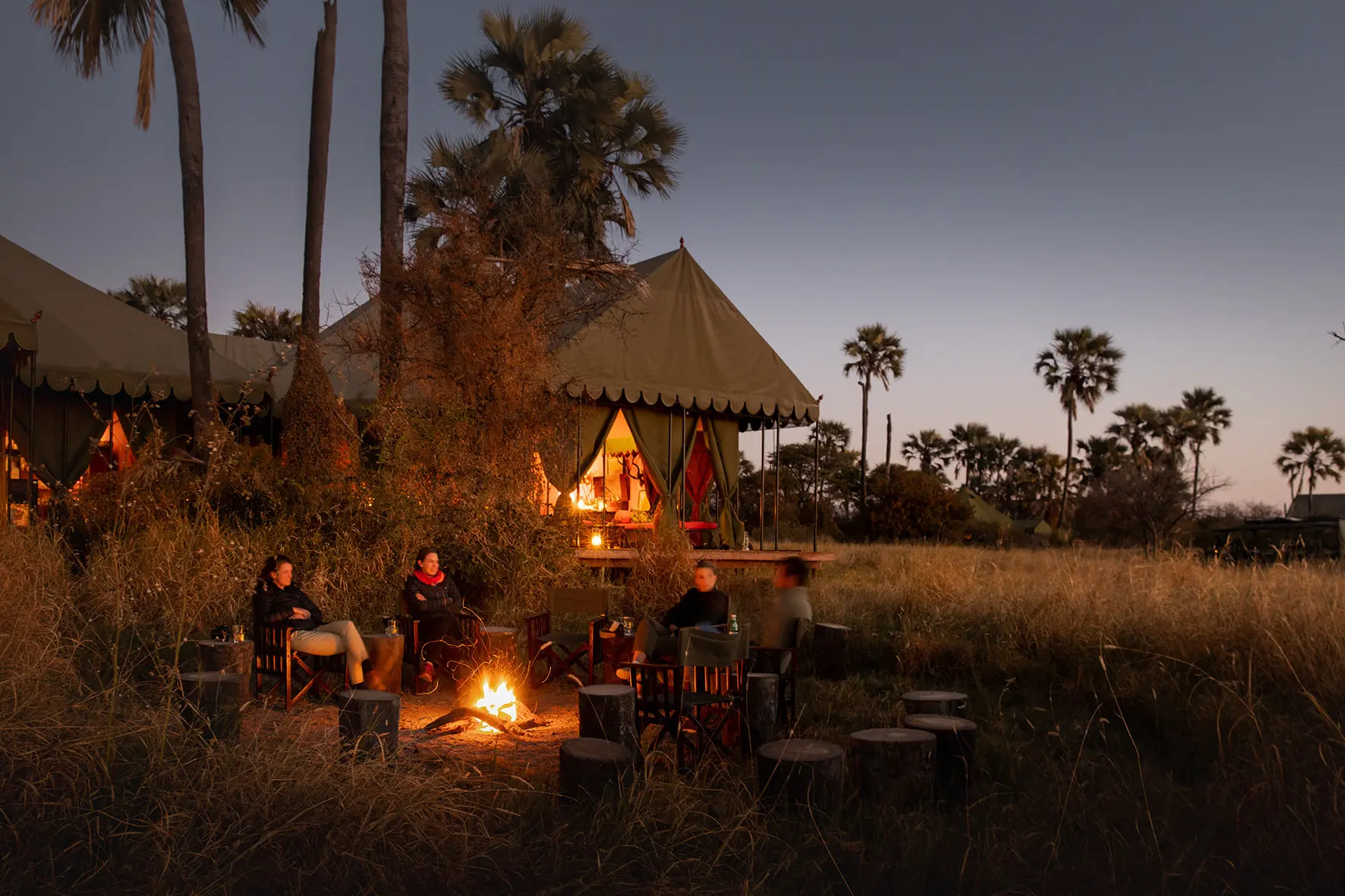
Life follows the pace of light, migration, and survival. Dawn tracking, fireside storytelling, and evenings beneath immense star-filled skies create a rhythm shaped by the desert itself. Culture here feels inherited, inseparable from the land and the people who know how to read it.

Authentic experiences in the area

Walk with San bushmen trackers

Learn how the desert is read through footprints, plants, weather, and wildlife movement with San guides whose ancestral knowledge of the Kalahari has been passed down through generations.

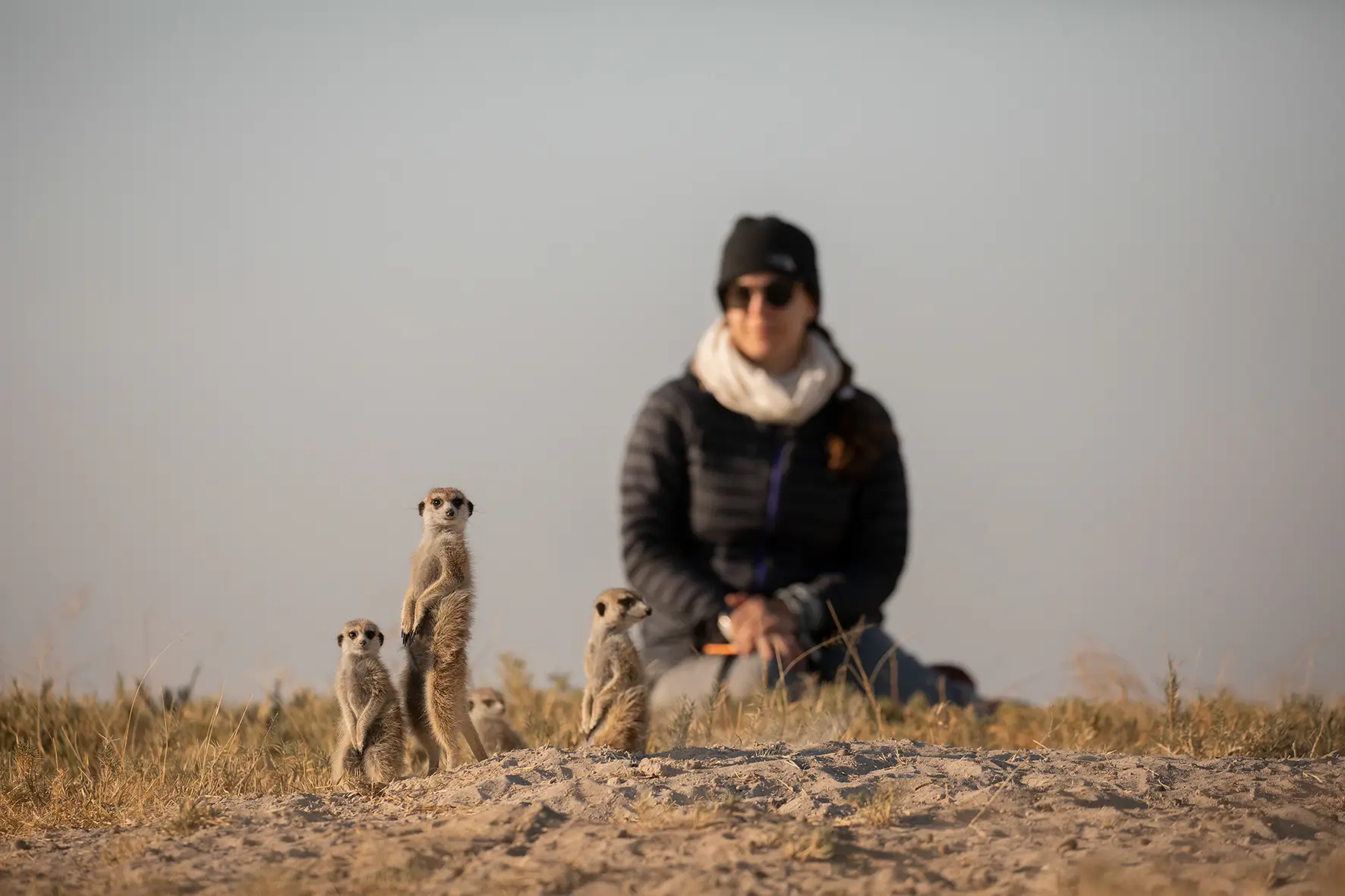
Meet the resident meerkat colonies

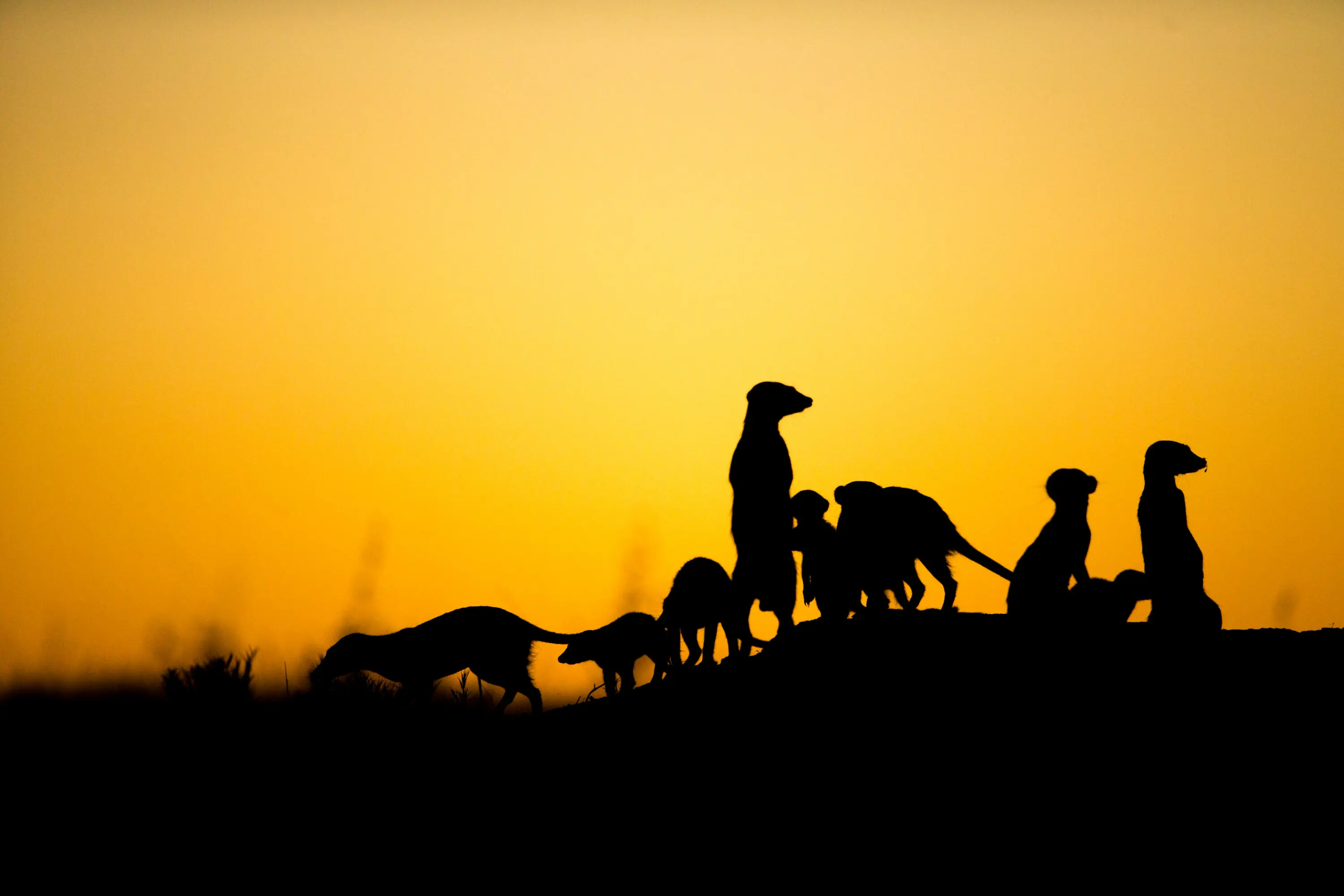
Spend time with the Makgadikgadi’s habituated meerkats, one of the region’s most extraordinary wildlife encounters and a rare way to experience desert life at eye level.

Sleep beneath the stars on the pans

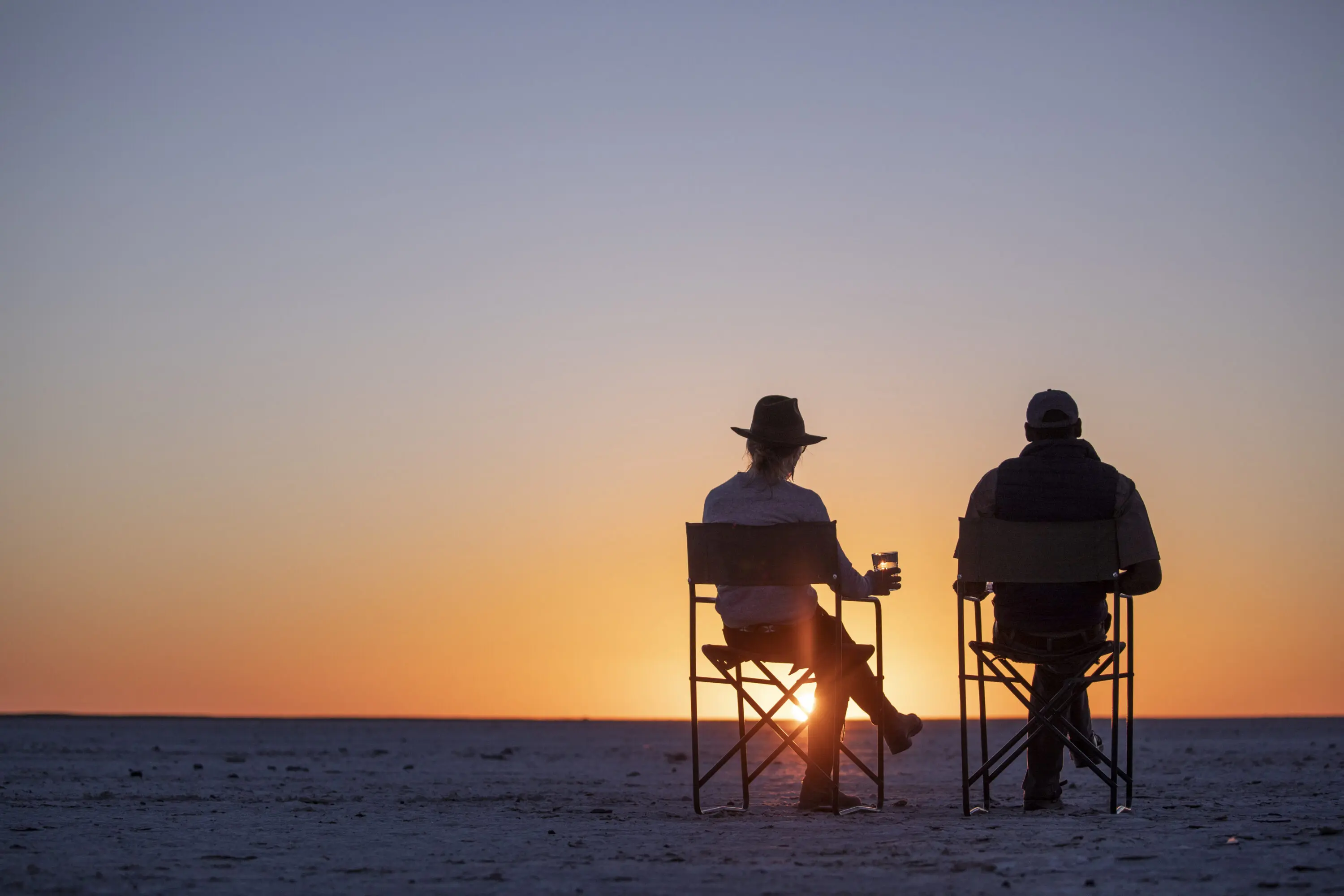
Venture out onto the salt flats for a night under immense African skies, where the absence of light pollution turns the desert into one of the most powerful stargazing experiences on earth.

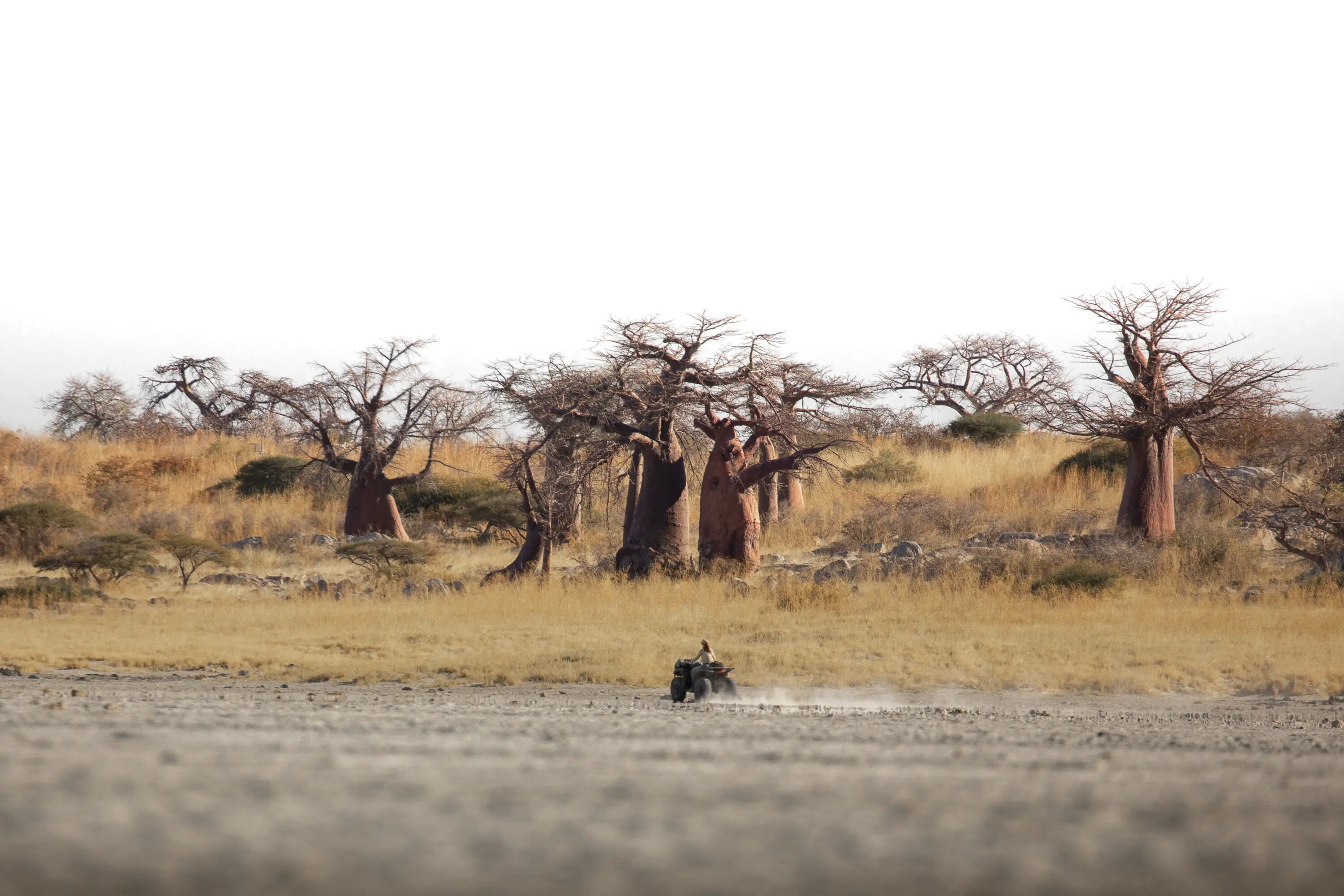
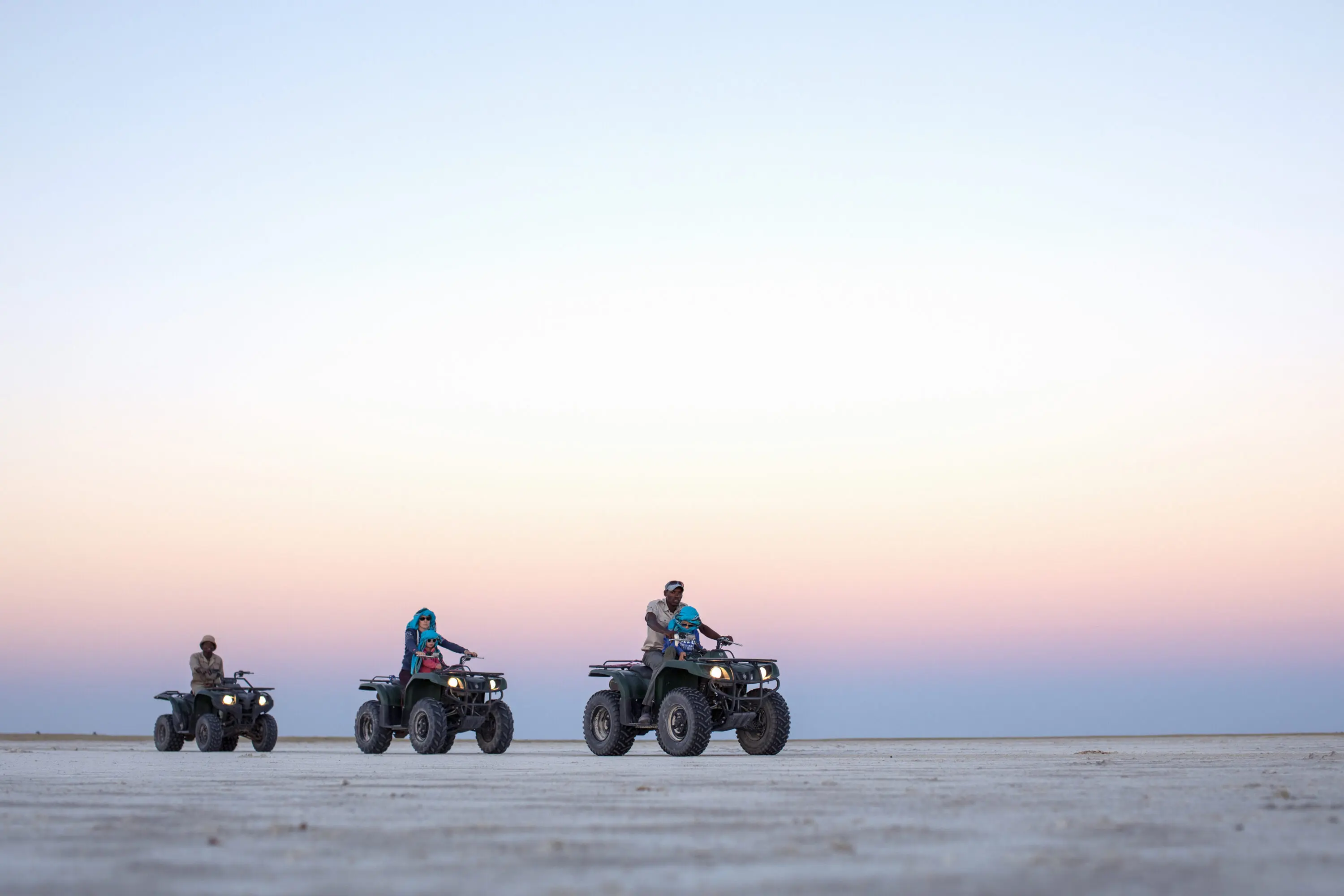
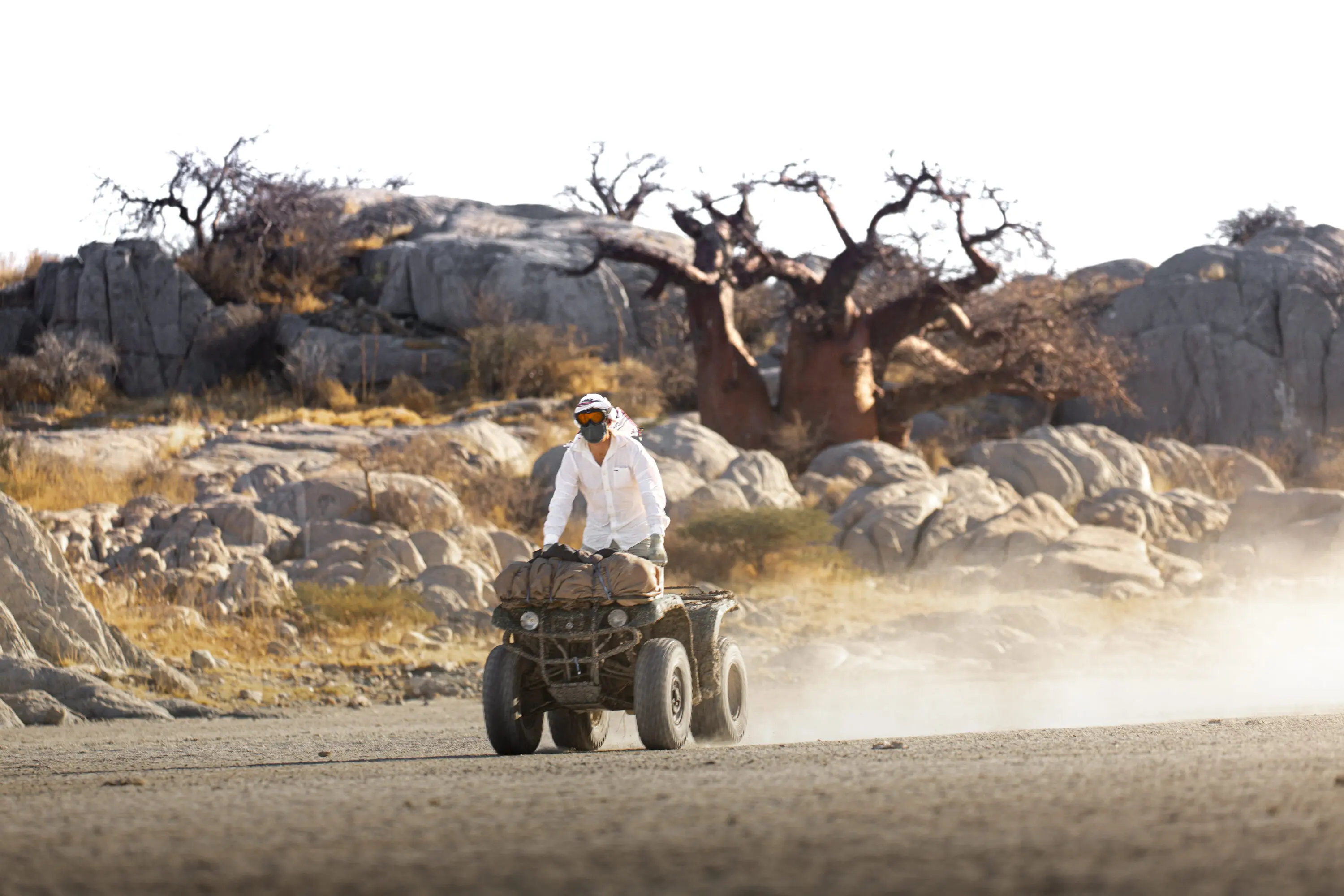
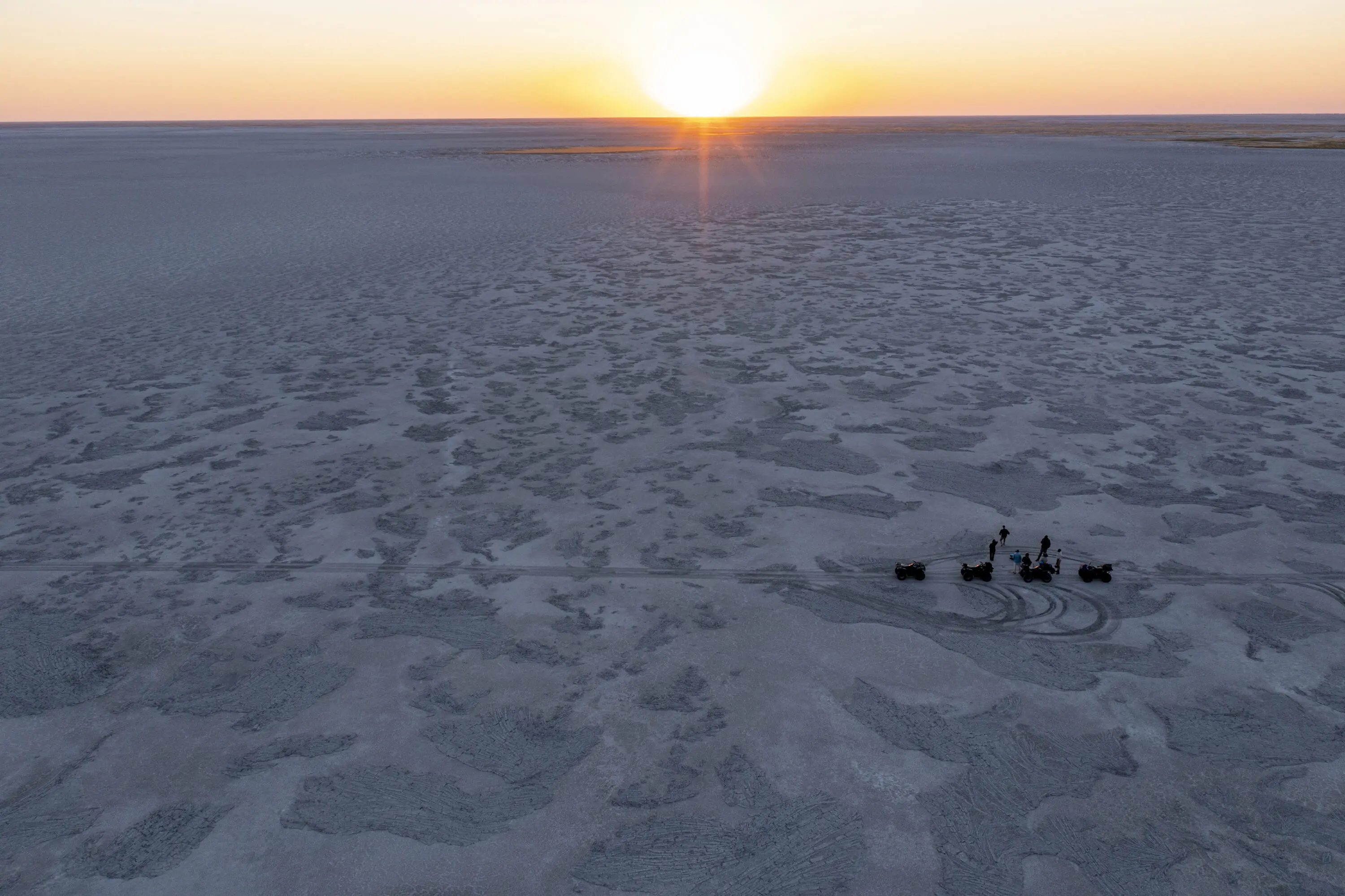
Quad bike across the salt pans

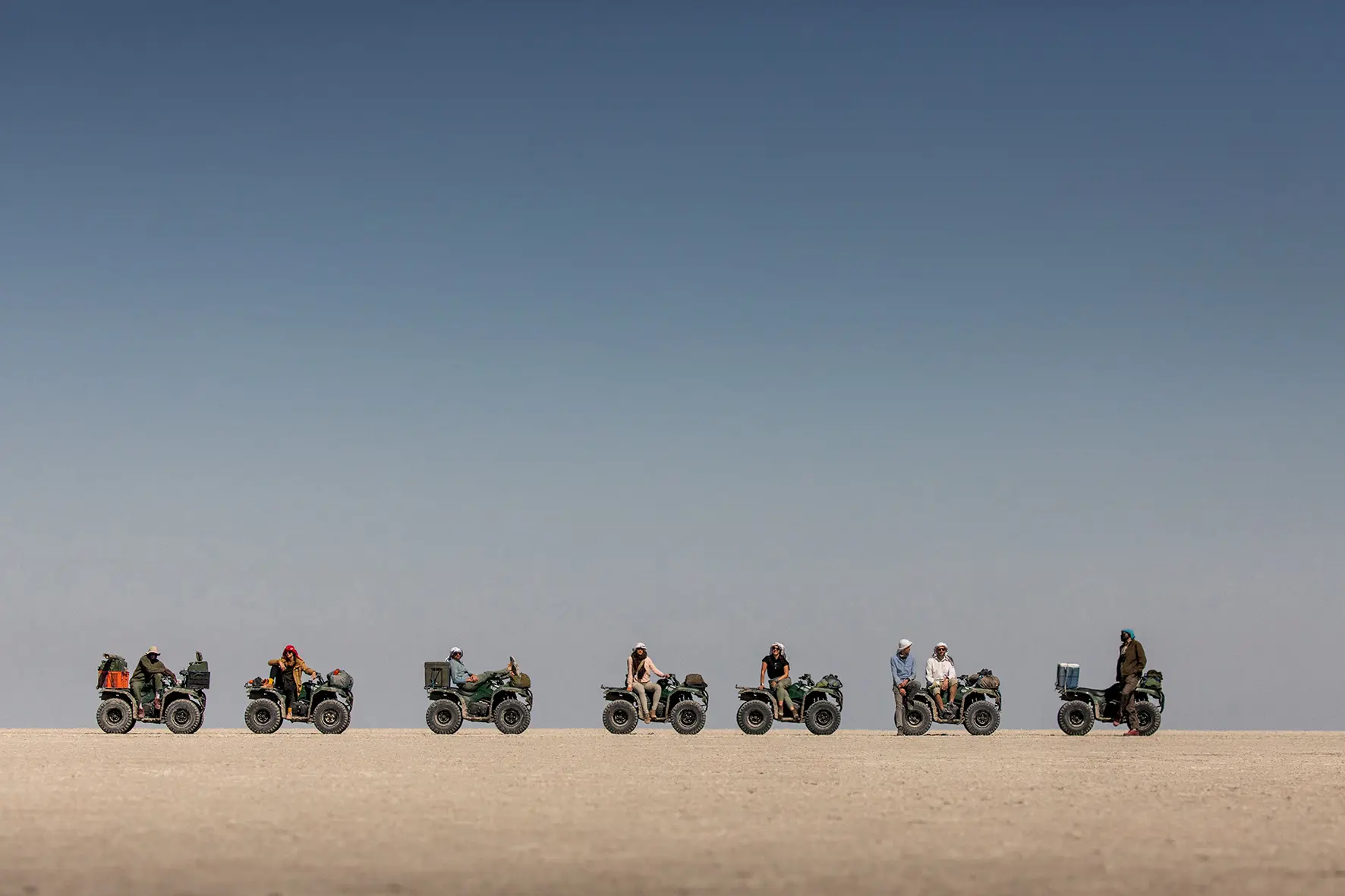
Cross the vast white expanse of the Makgadikgadi by quad bike, an unforgettable way to experience the scale, silence, and surreal beauty of this ancient super-lake bed.

Protecting culture & land

At Jack’s Camp, preservation begins with the desert’s ancient rhythms. Through landscape-scale conservation across the Makgadikgadi, the camp supports the restoration of historic migration corridors, helping zebra and wildebeest move freely across the salt pans once more. Your stay directly contributes to protecting one of Africa’s last great mammal migrations. 

Beyond wildlife, this work is deeply tied to local stewardship. Conservation efforts are developed alongside surrounding communities and land stakeholders, balancing habitat protection with long-term coexistence across one of Botswana’s most fragile ecosystems. 

Small in scale and rooted in reverence for place, Jack’s Camp protects not only the land, but the seasonal rhythms, migrations, and desert silence that make the Makgadikgadi unlike anywhere else on earth.

Location & surroundings

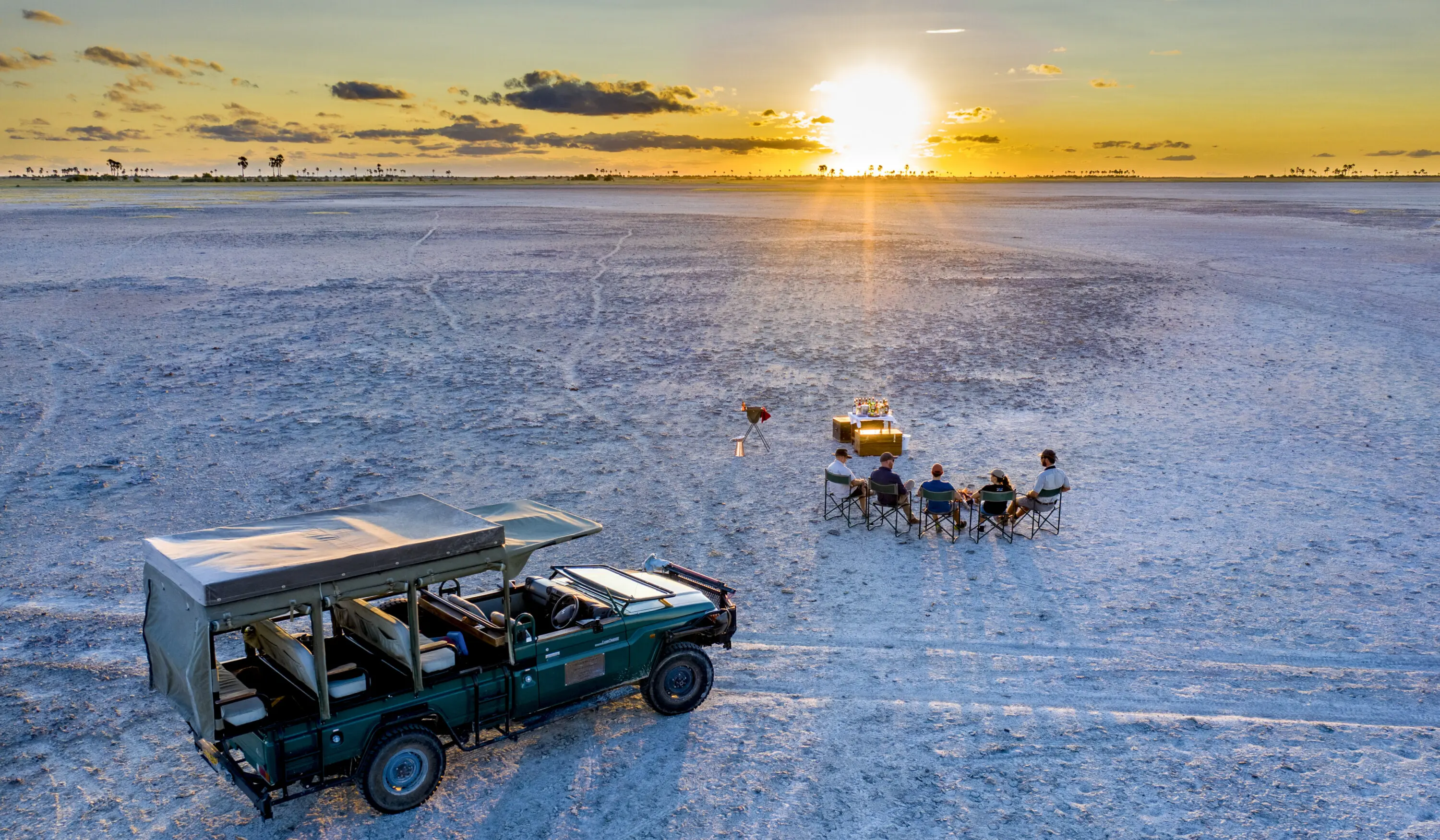
Located in Botswana’s remote Makgadikgadi Salt Pans, the area surrounding Jack’s Camp is renowned for its vast white horizons, ancient super-lake geology, and one of Africa’s most surreal desert ecosystems.

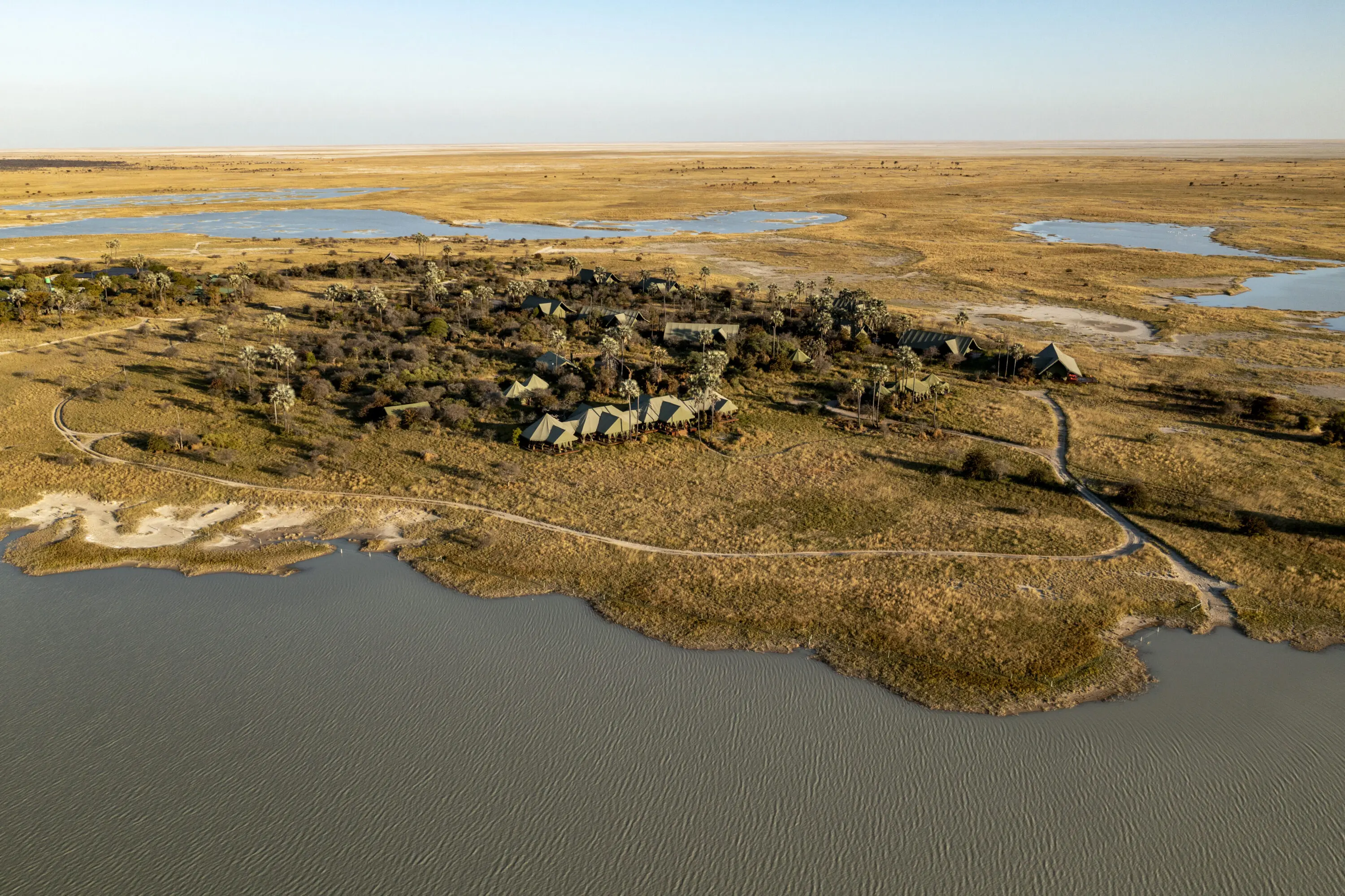
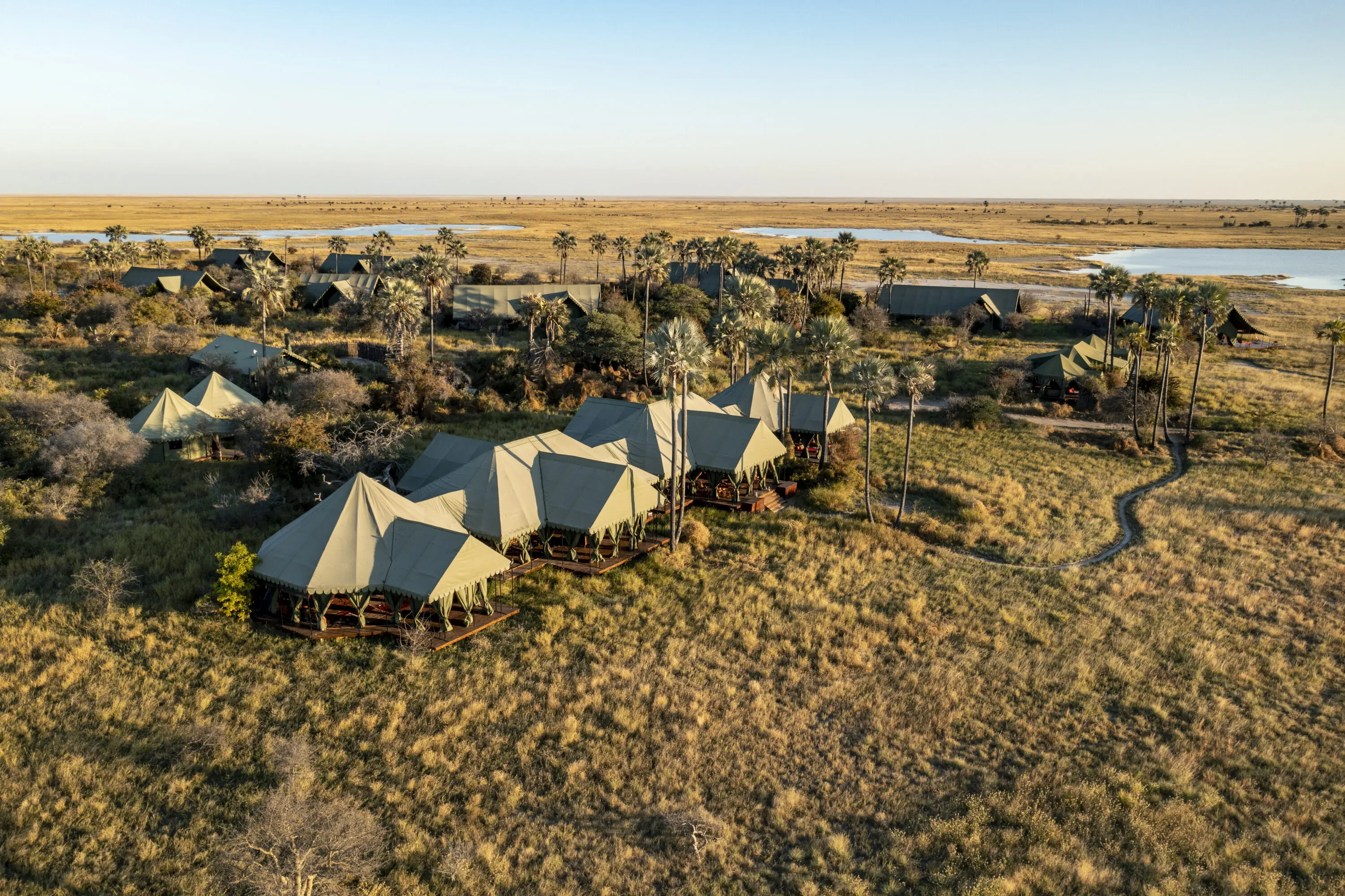
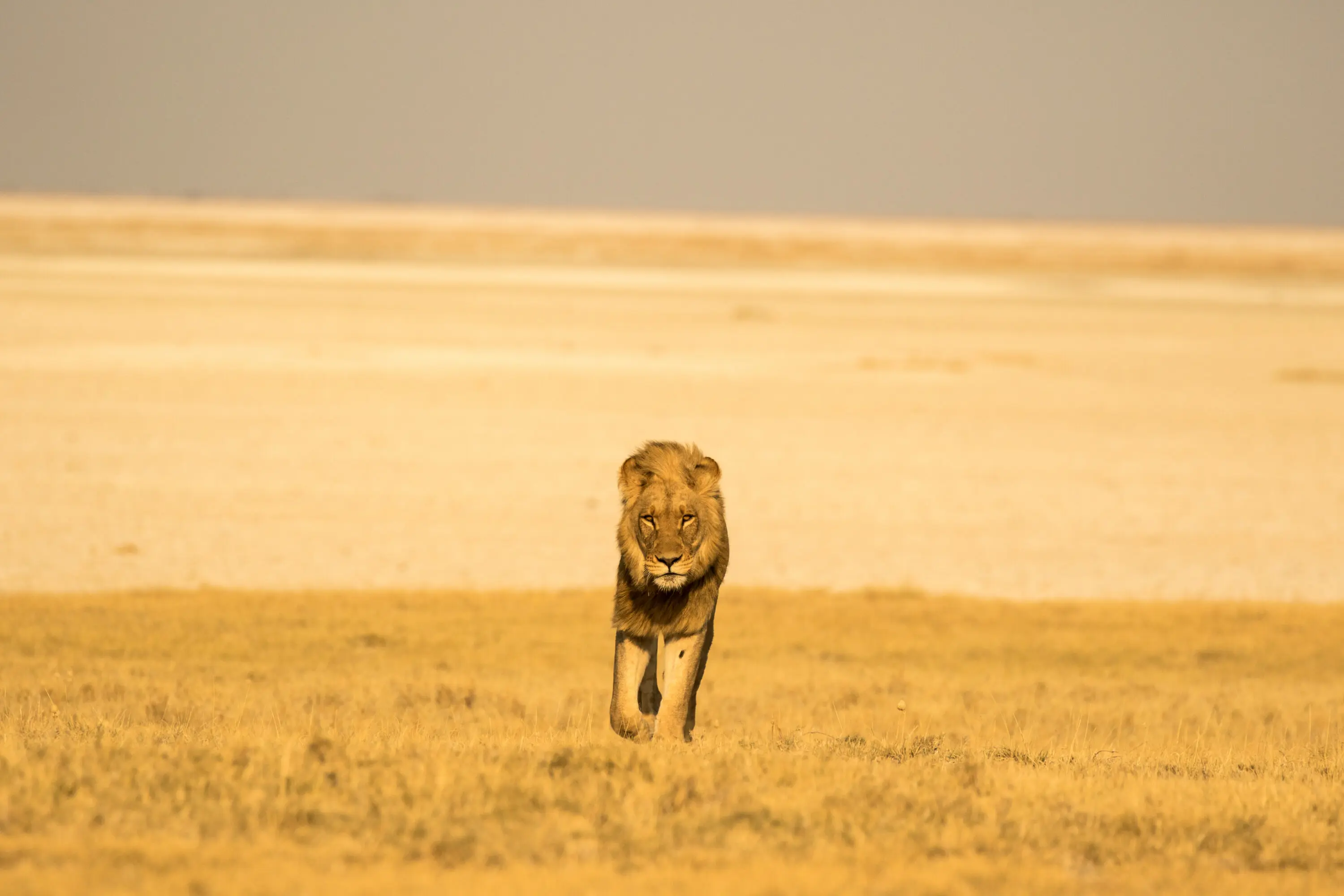
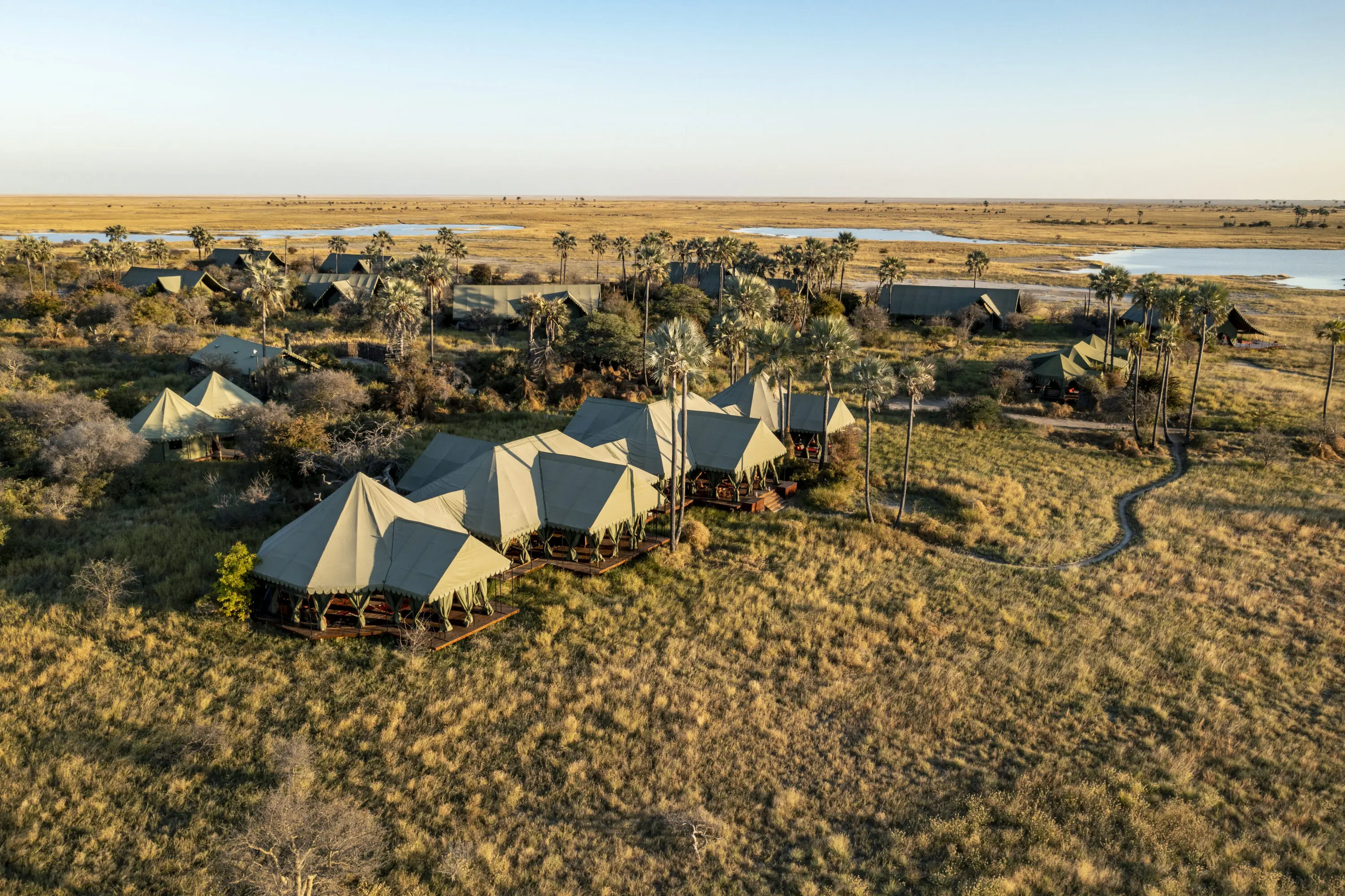
Set on the edge of the shimmering salt flats, Jack’s Camp looks out across one of the largest salt pans on earth, where earth and sky dissolve into a seemingly endless horizon. Palm islands, fossil-rich plains, and seasonal zebra migrations shape a landscape that feels both lunar and profoundly alive.

Key details

Address

Makgadikgadi Salt Pans
Gweta
Central District, Botswana

Getting here

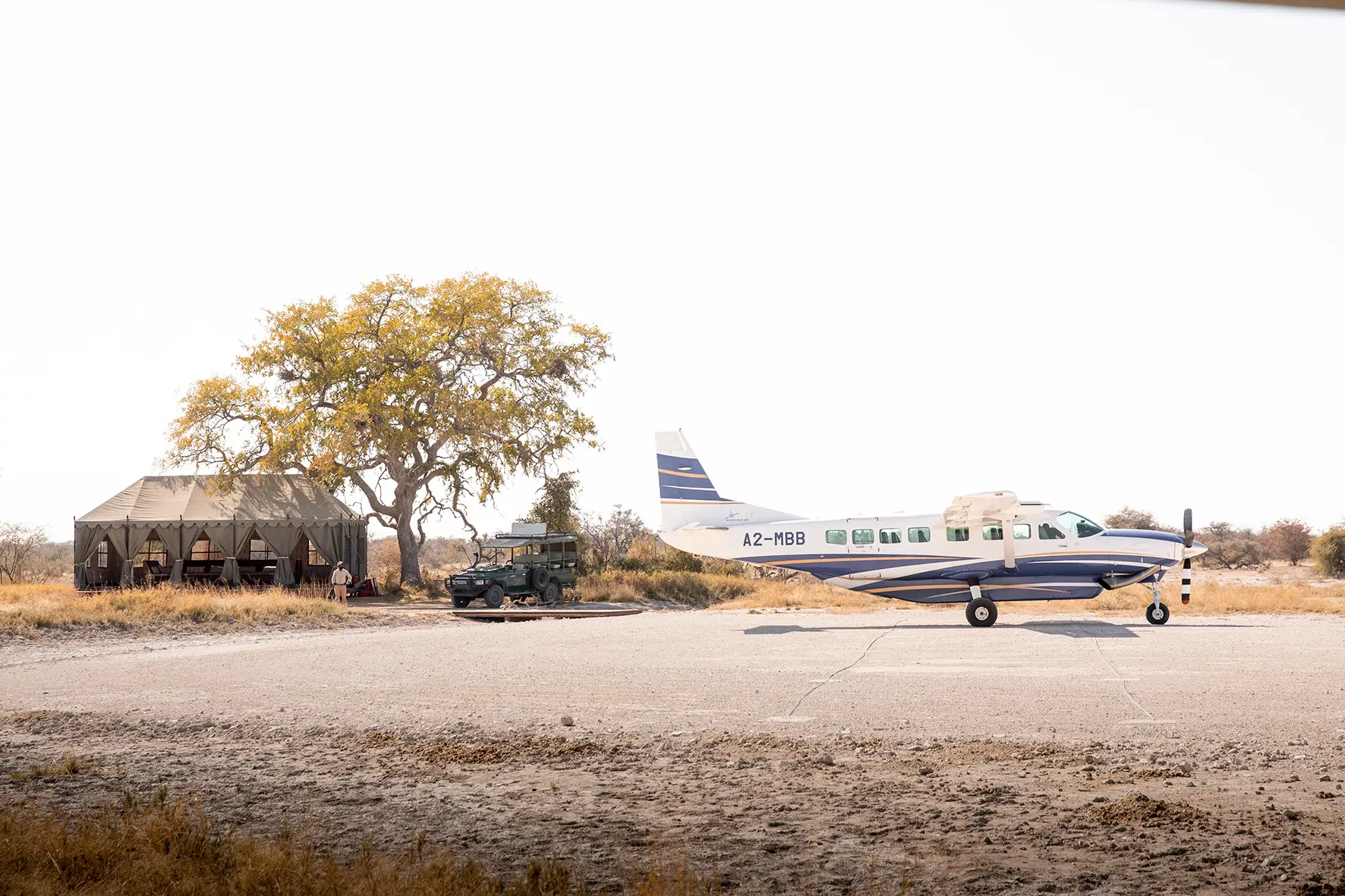
By plane: Maun International Airport, followed by a light aircraft transfer to Tsigaro Airstrip (approx. 40–55 minutes), then a short game drive to camp
By road: Private overland transfers from Maun can also be arranged (approx. 3–4 hours)
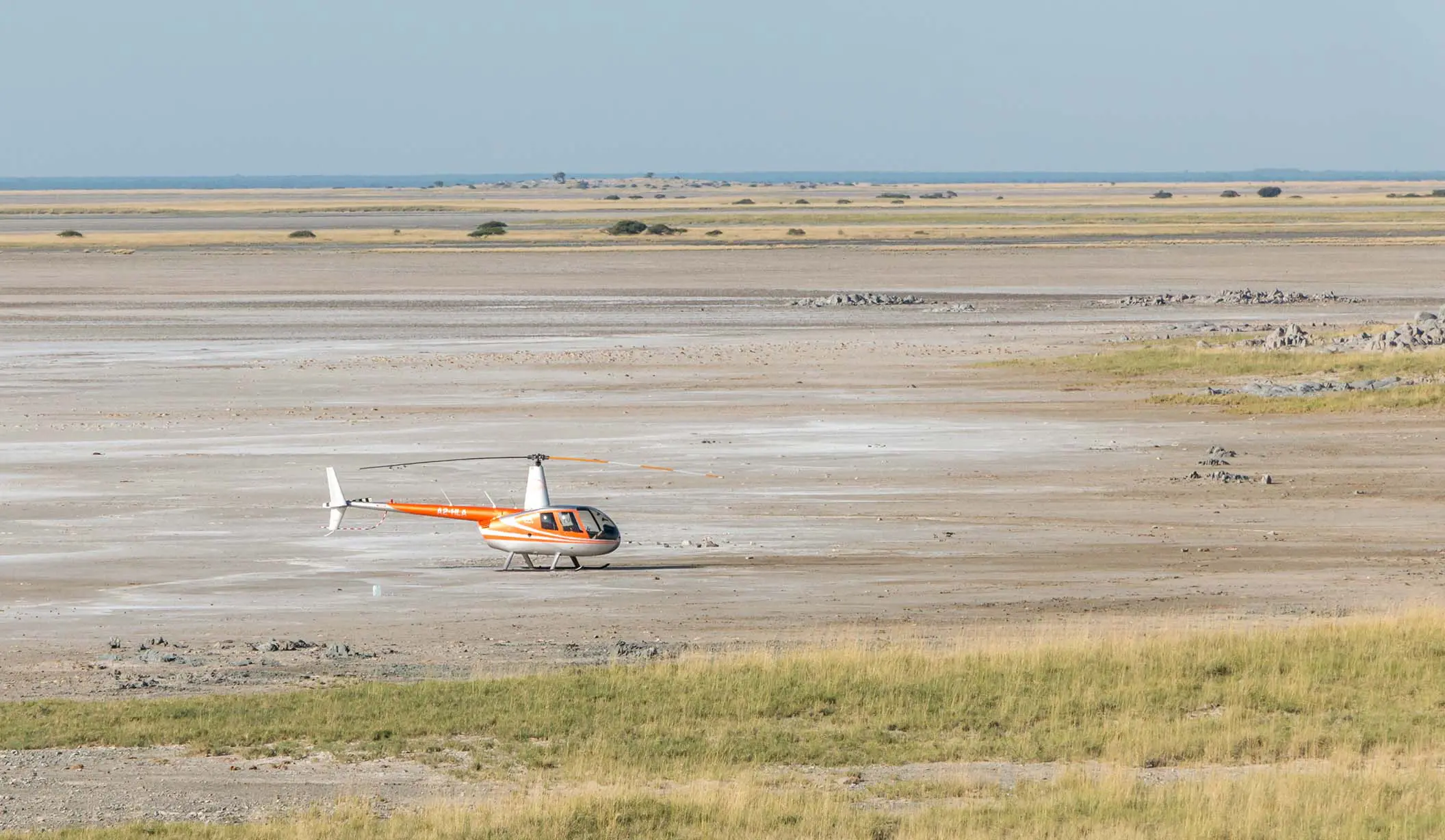
Private charter flights and helicopter arrivals can be arranged on requestno

Facilities

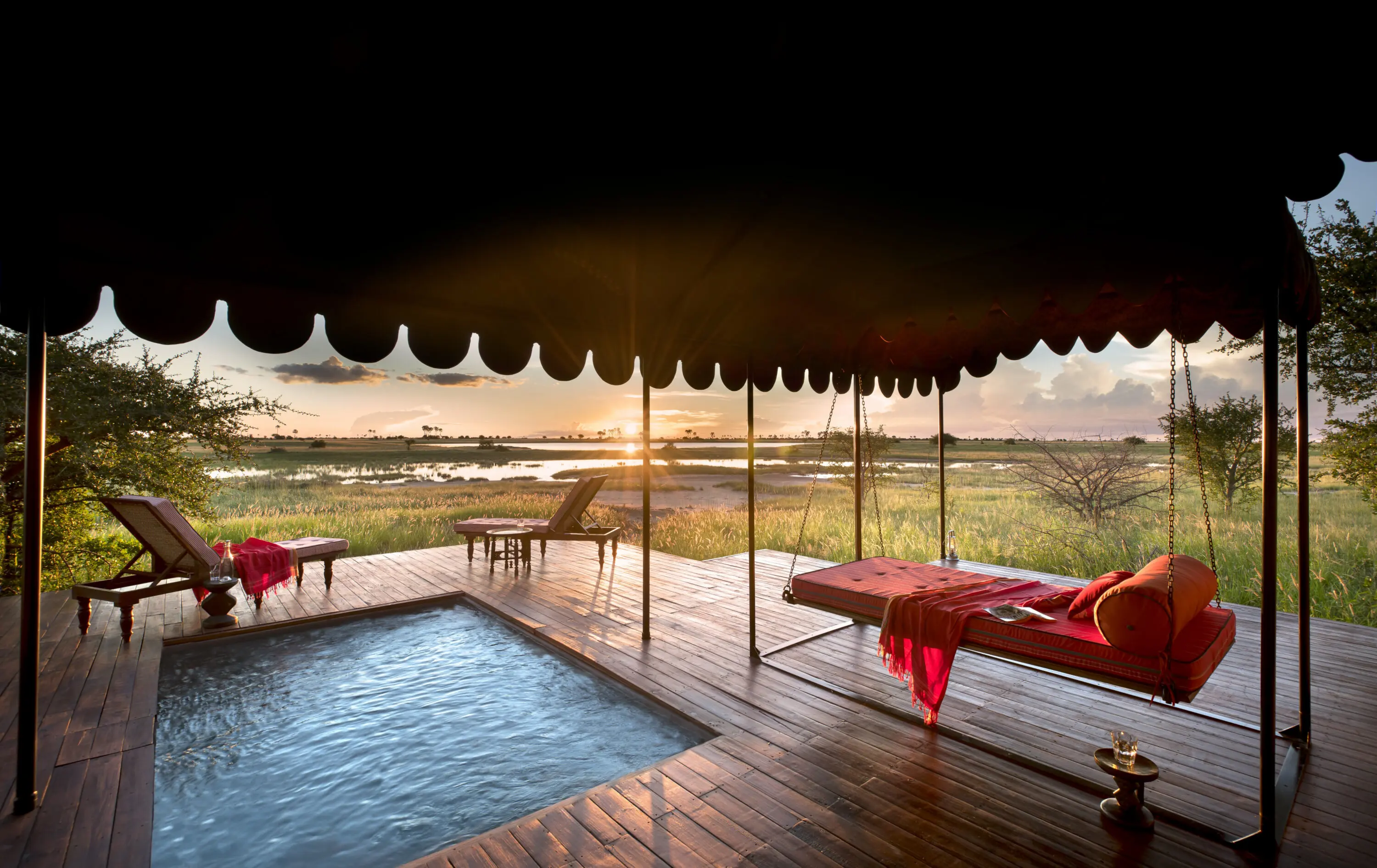
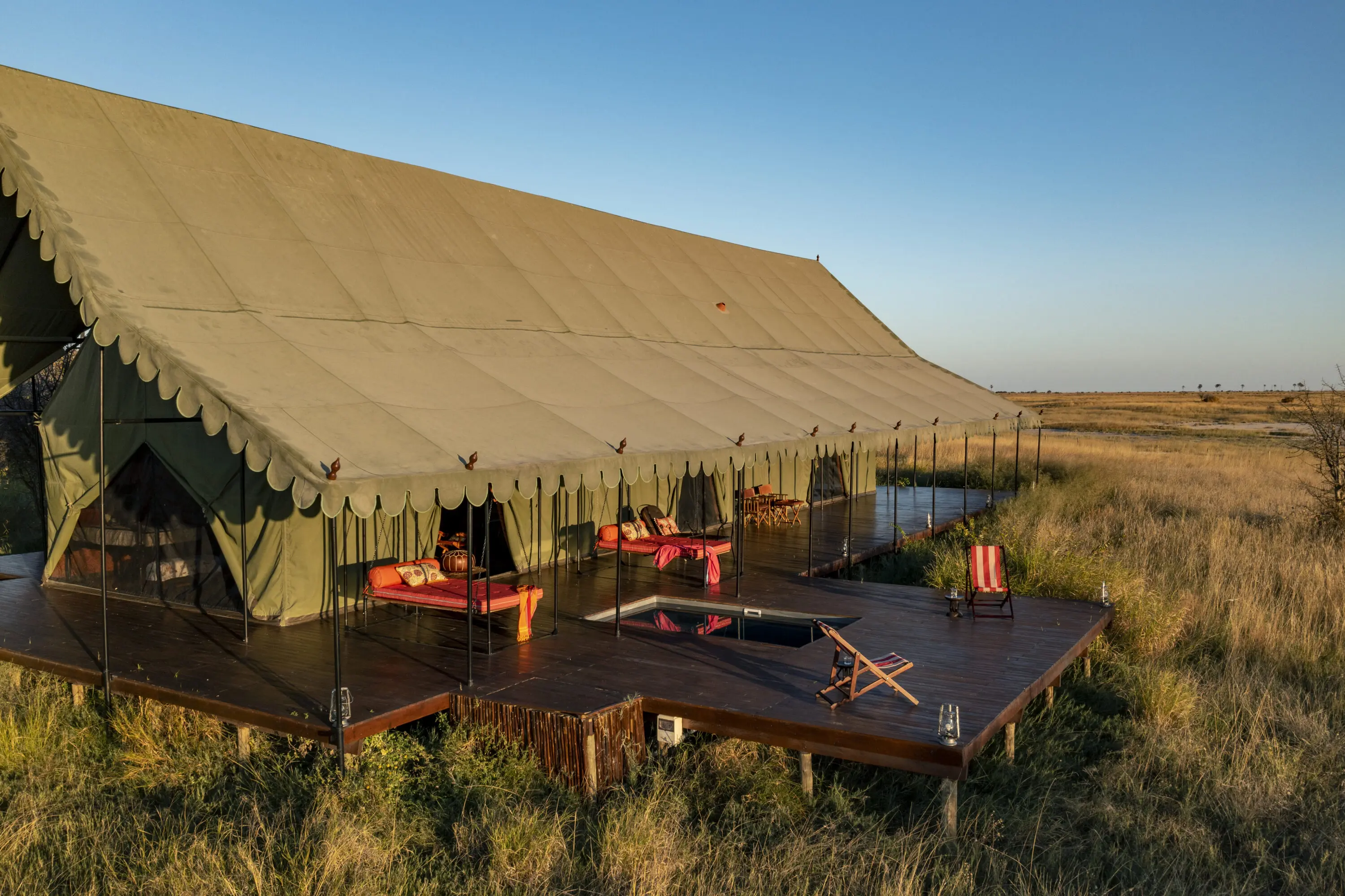
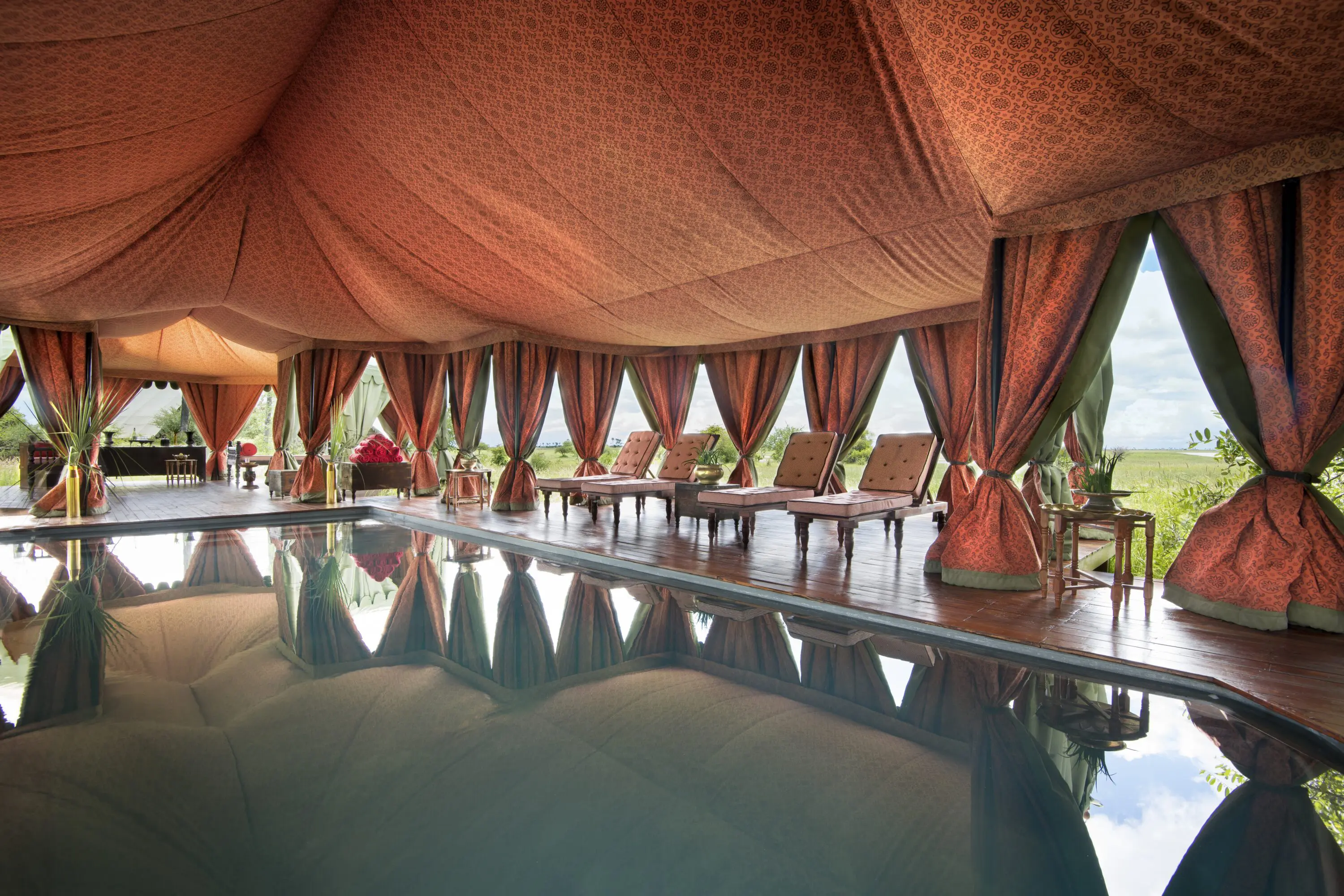
Turquoise swimming pool overlooking the palms and shimmering edge of the salt pans
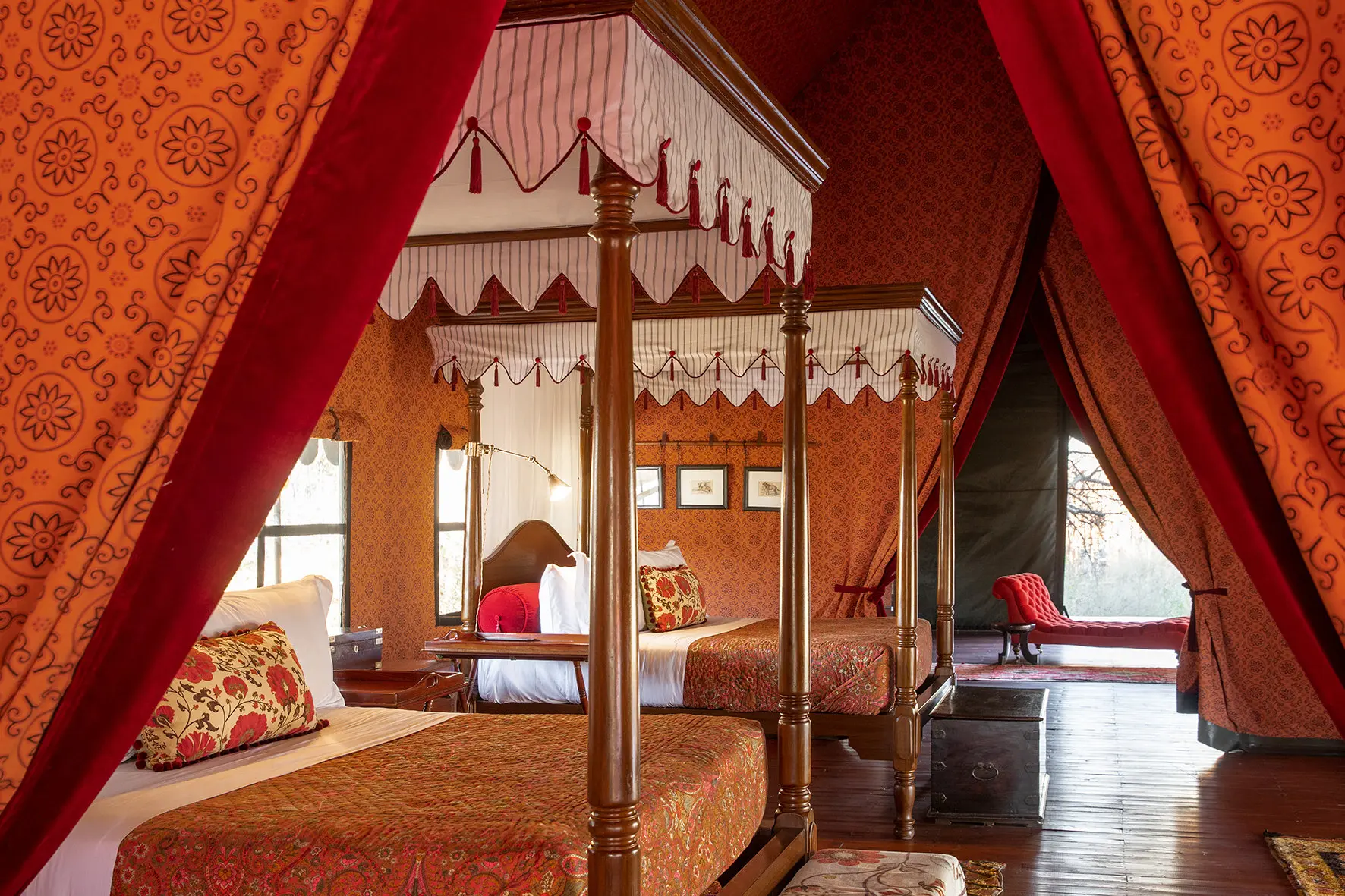
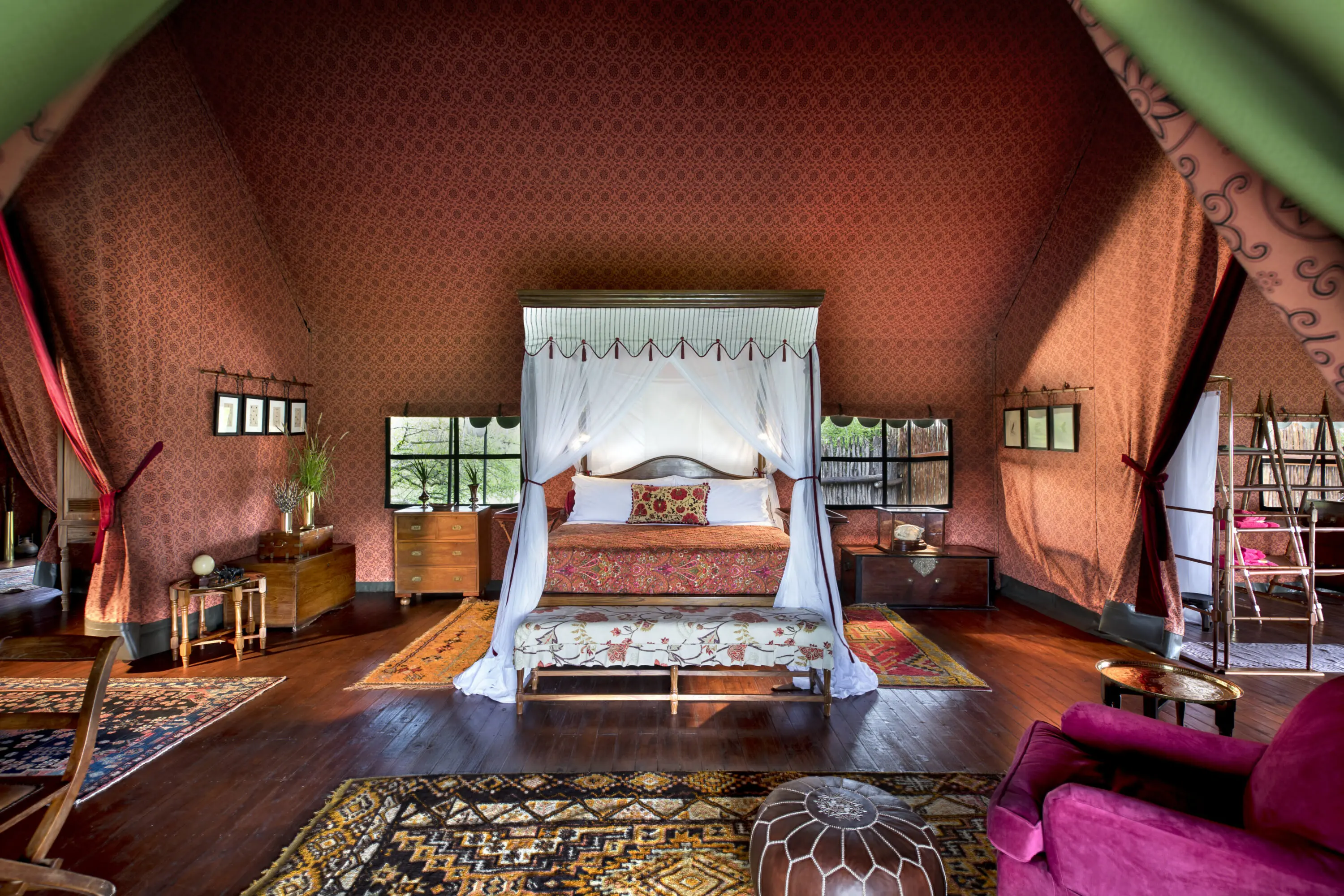
Elegant canvas suites with indoor/outdoor showers
A library and natural history museum filled with vintage curiosities, fossils, and exploration artefacts
In-tent spa treatments and wellness rituals available on request

More

Rooms: 9 canvas suites
Season: May - October

Words from the owners

“Jack always believed the Makgadikgadi had a kind of magic that revealed itself slowly. Our hope has always been to share that sense of wonder - the silence, the stories, the wildlife, and the feeling of standing in a landscape so vast it changes your sense of time.”

Every stay booked direct keeps value with the people of this place, so they can reinvest in culture, community and land

We believe travel should give back more than it takes; that it can protect cultures, not erode them.

That is why we connect you directly with each hotel’s own website. By booking direct, value remains in the hands of those who shape these places, enabling reinvestment into local culture, community, and land.
Book Jack's Camp direct. Play a part in preserving the culture, community and landscape of this place.
Book Now

Jack’s Camp

A 1940s Safari Dream in the Kalahari
Every stay booked direct keeps more value in the hands of the people who shape this place, so they can reinvest in local culture, community and land.