Join The Libra Guide Collection Our Story Contact
Book The Candover for Book The Candover
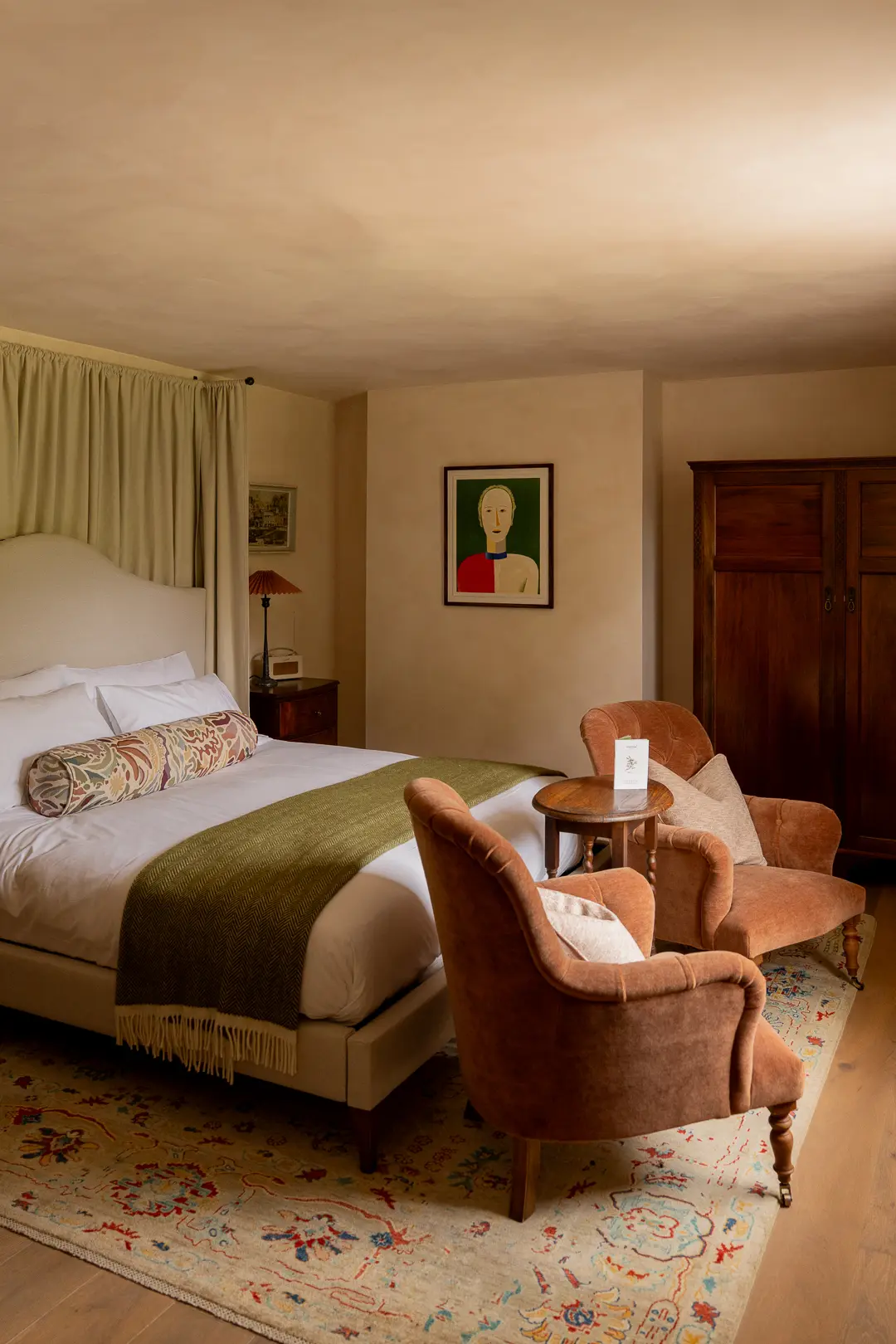
In the rolling countryside of Hampshire's Candover Valley, an early-19th-century village pub has been given a new chapter by three local friends who refused to let it disappear. Once The Purefoy Arms and destined for residential development, the Grade II-listed building has been restored as The Candover — a proper village pub with ten bedrooms, where fireside pints, Sunday lunches and gatherings of locals sit alongside weekends exploring the surrounding countryside.

Story

The building at the heart of The Candover has stood in Preston Candover since the early 19th century. Historic England records its red-brick façade, old tiled roof, Flemish-bond brickwork and fanlight doorway, and today it remains Grade II listed.

For years it traded as The Purefoy Arms, serving this small Hampshire community. But after the pub closed, the property was sold with plans for residential development — putting an end to its role as the village's meeting place.

Then, in 2023, three friends who live locally decided to intervene. The official story is pleasingly unpolished: over what they describe as a "rather drunken lunch", they convinced themselves that the village needed to keep its pub and decided to buy it.

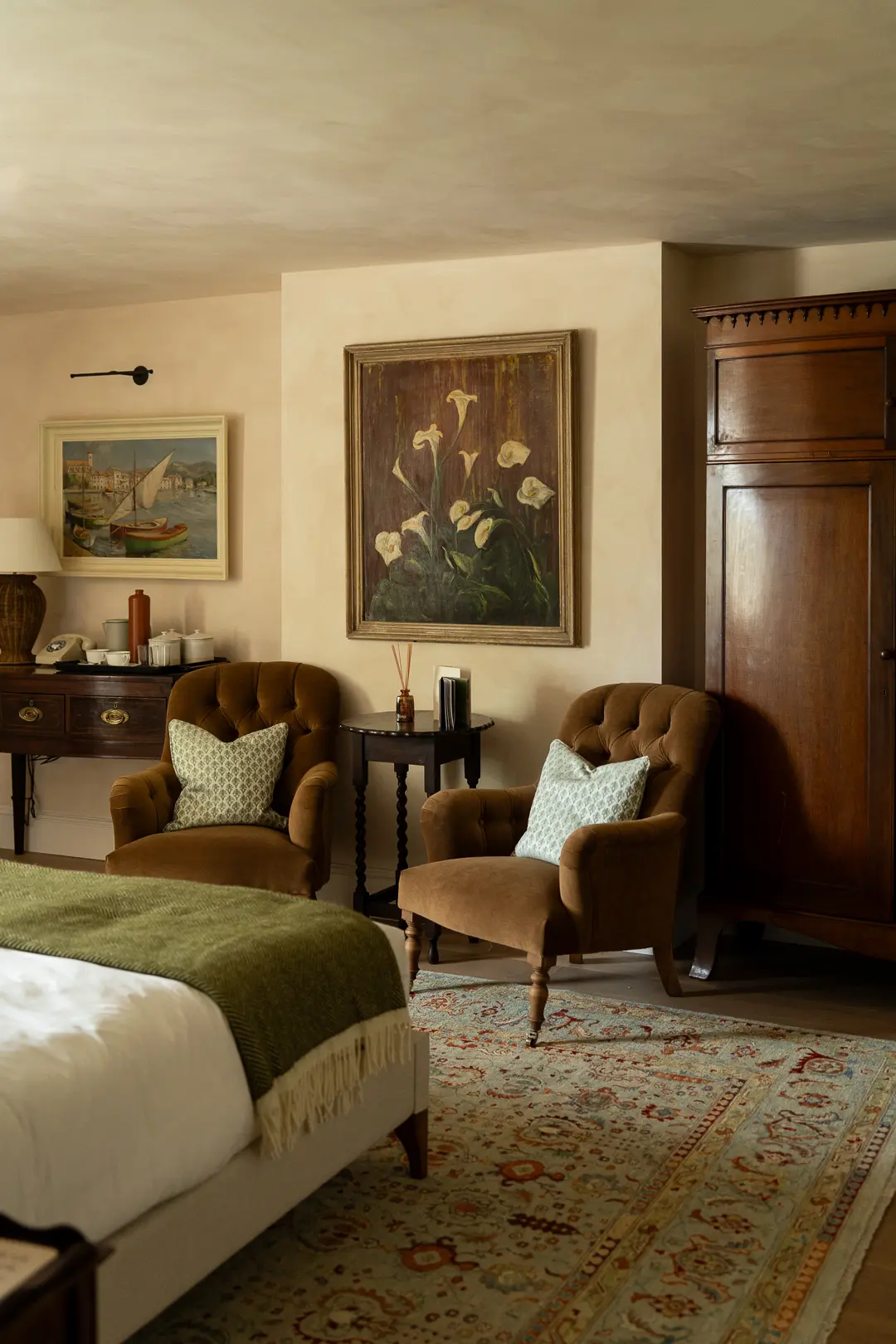
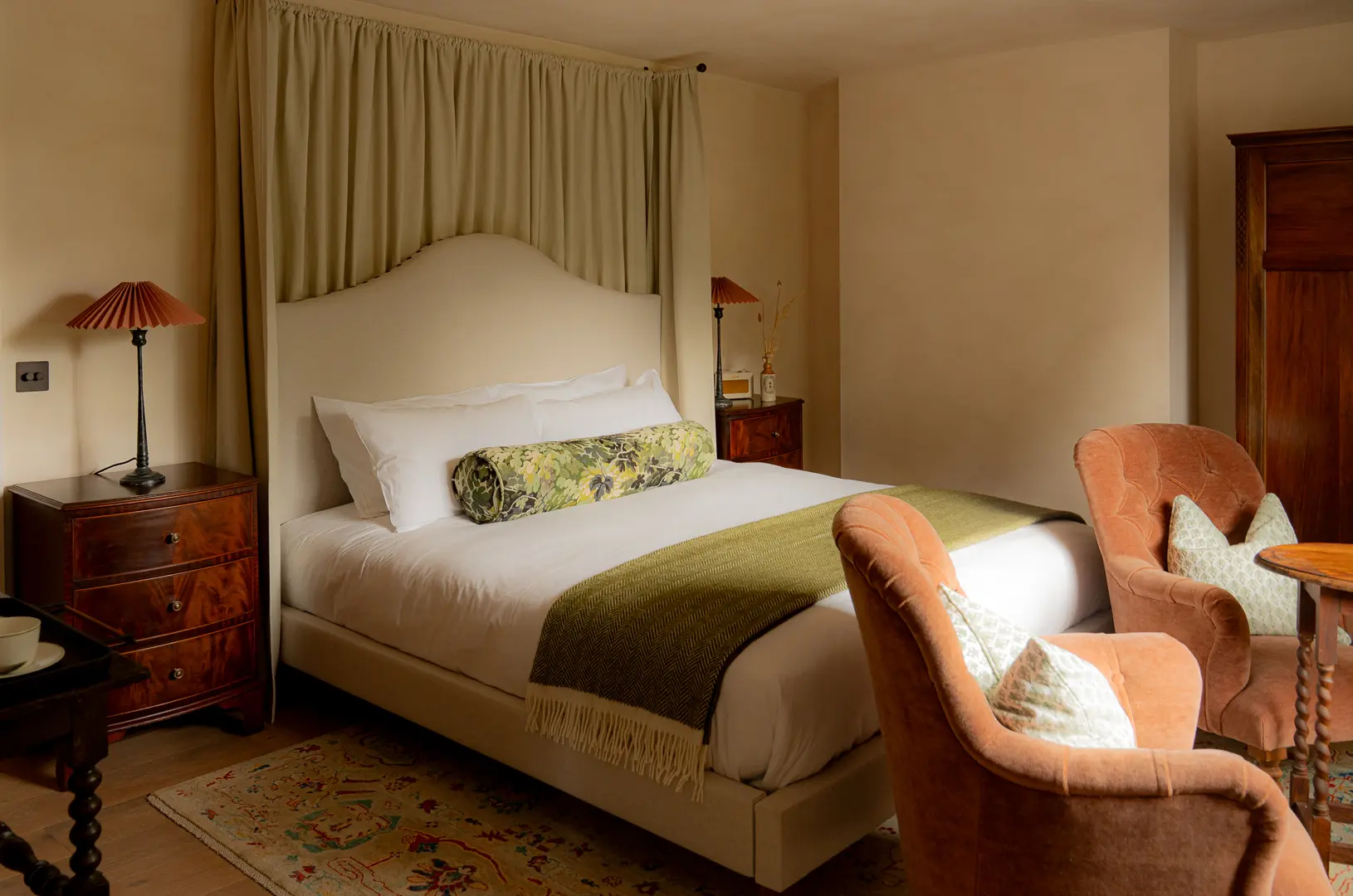
After an extensive restoration, it reopened in 2026 as The Candover, retaining the character of an English country pub while adding ten individually designed bedrooms. Under Operations Manager Luke Ashwood, formerly of Cubitt House, the ambition has deliberately remained local: somewhere villagers can drop in for a pint as readily as visitors can settle in for a weekend.

Local life & traditions

Life in the Candover Valley still revolves around small villages and the agricultural landscape between them. Preston Candover sits among farmland, lanes, old churches and chalk-stream country, with the village pub historically playing an important role as one of the places where an otherwise dispersed rural community comes together. The village itself has Saxon origins, its name partly derived from the Candover Brook that rises from springs nearby.

The culture here is less about a single celebrated tradition than the accumulated rituals of English country life: walking across fields and down old lanes, Sunday lunch at the pub, local beer beside the fire, village gatherings and days shaped by farming and the seasons.

That is what makes The Candover's survival significant. Rather than turning the old pub into a private residence, its owners have preserved a place where local life can continue to happen — while allowing visitors to become part of it for a few days.

Authentic experiences in the area

Walk the Candover Valley

Head out from the pub into the surrounding Hampshire countryside, following footpaths between fields, woodland and the valley’s small villages before returning for a pint by the fire.

Spend an evening as a local

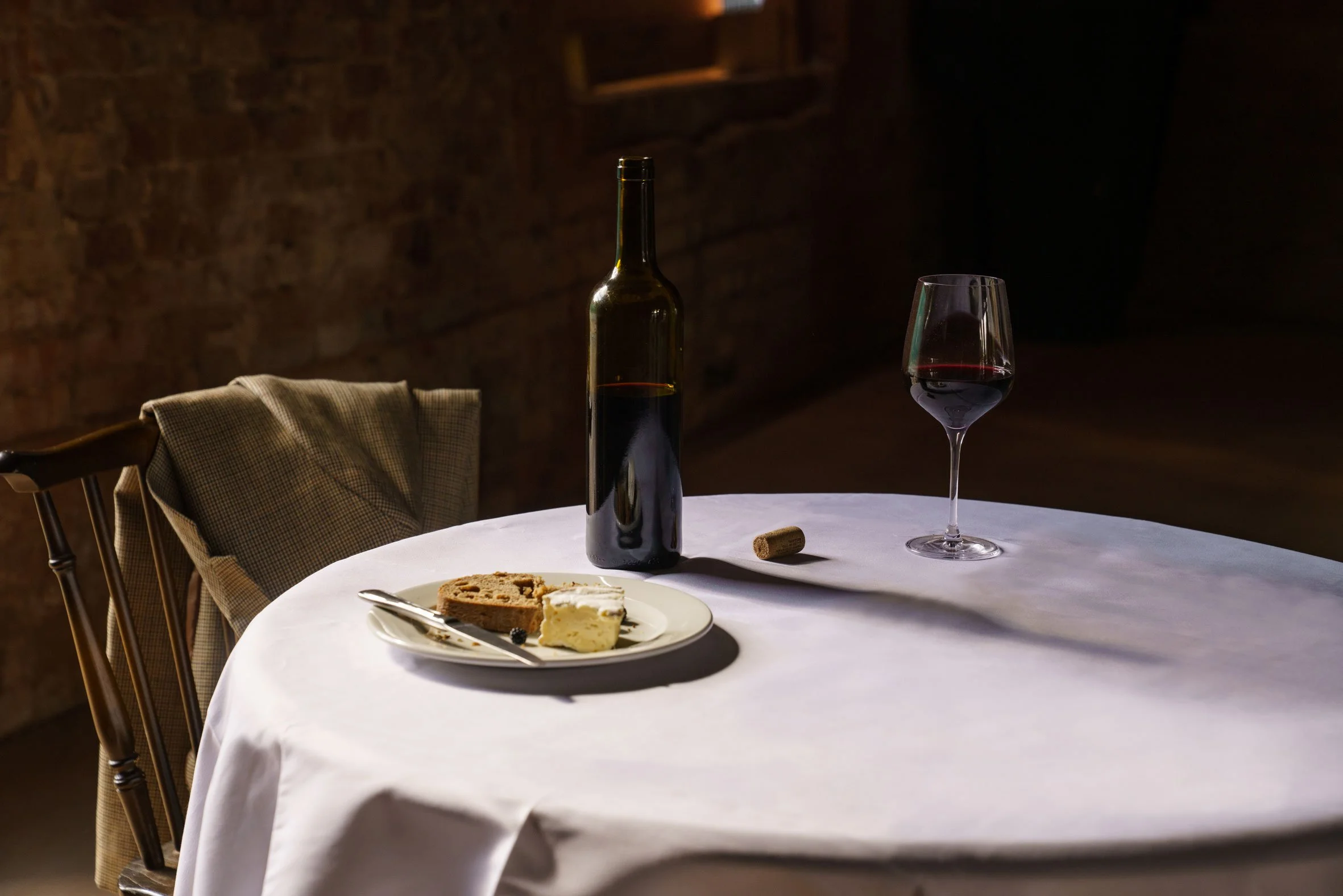
Skip the formal hotel routine and take a seat at the bar. The Candover was explicitly created to remain somewhere villagers can stop for a drink, making everyday pub life part of the experience rather than something staged for visitors.

Explore Hampshire at walking pace

Use Preston Candover as a base for discovering the rural landscape between Winchester, Alresford and the surrounding villages — a quieter Hampshire of old churches, farms, footpaths and country lanes.

Experience the ritual of Sunday lunch

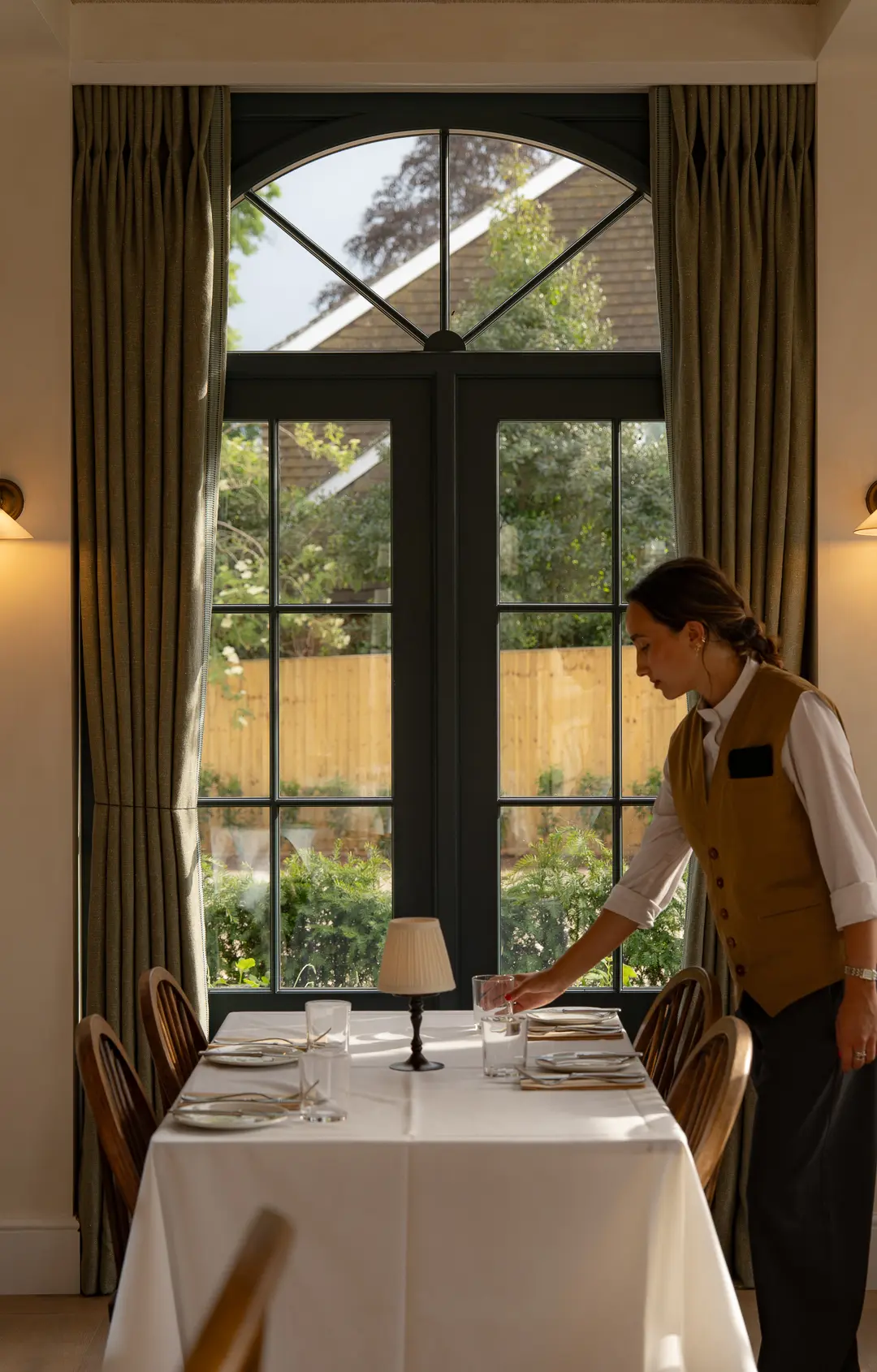
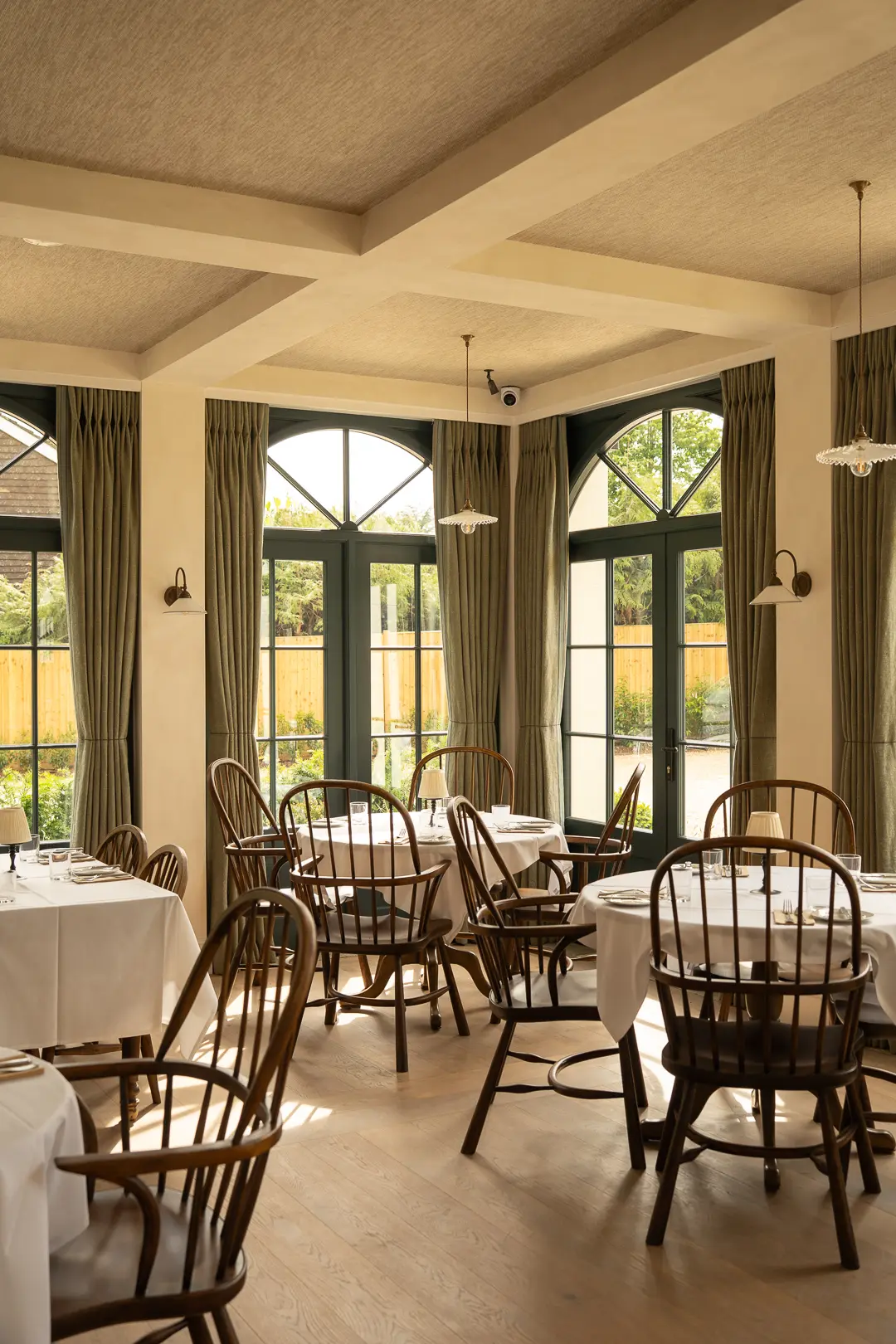
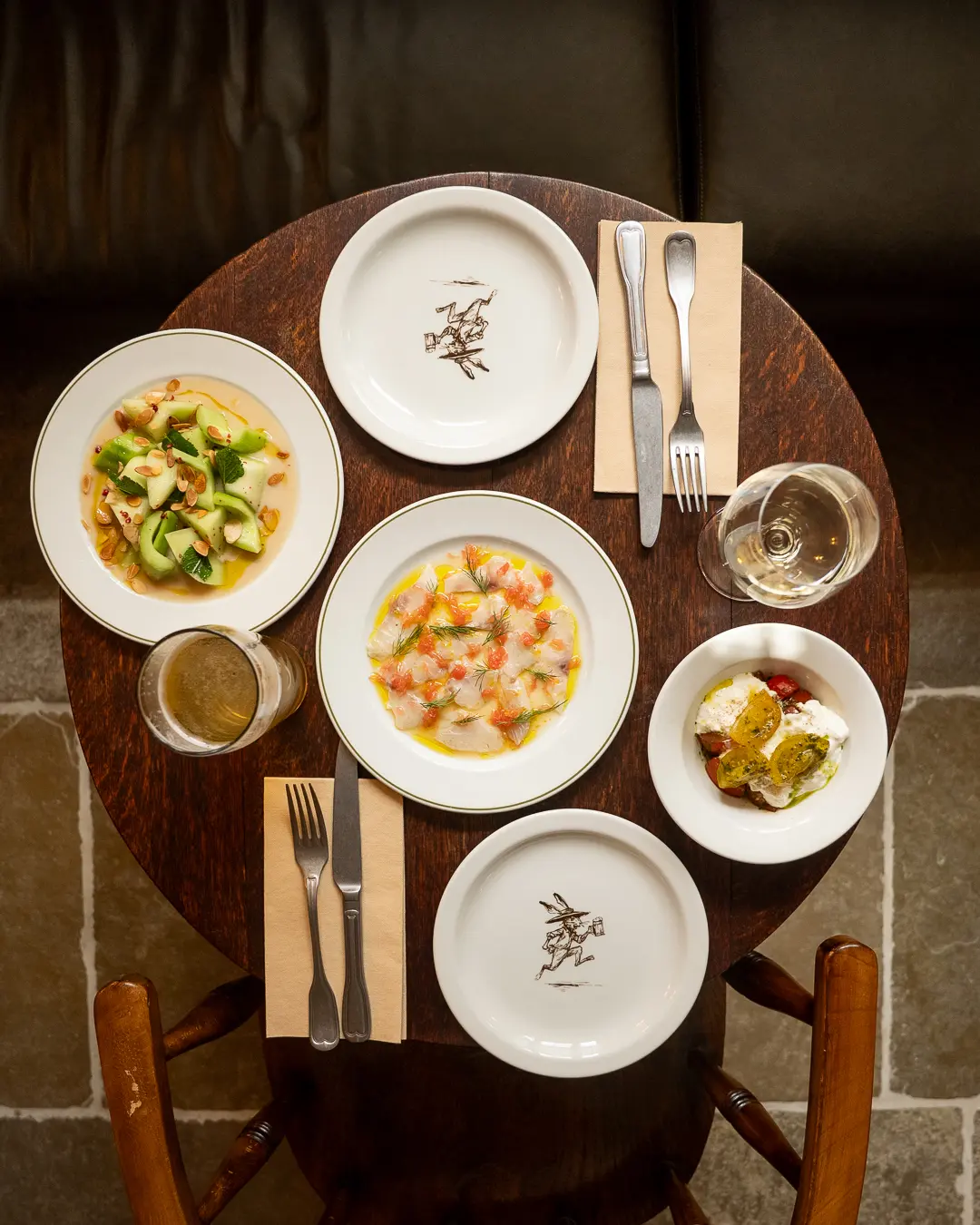
Gather around the table for one of the great traditions of the British pub. Food at The Candover draws on modern British cooking, seasonal vegetables and flame-grilled meats, while the drinks list includes local beers.

Protecting culture & land

The most important act of preservation at The Candover is straightforward: the pub is still a pub.

When the former Purefoy Arms was sold for residential development, three local friends bought it to prevent the loss of a community institution. The early-19th-century Grade II-listed building was restored and reopened rather than converted into private housing.

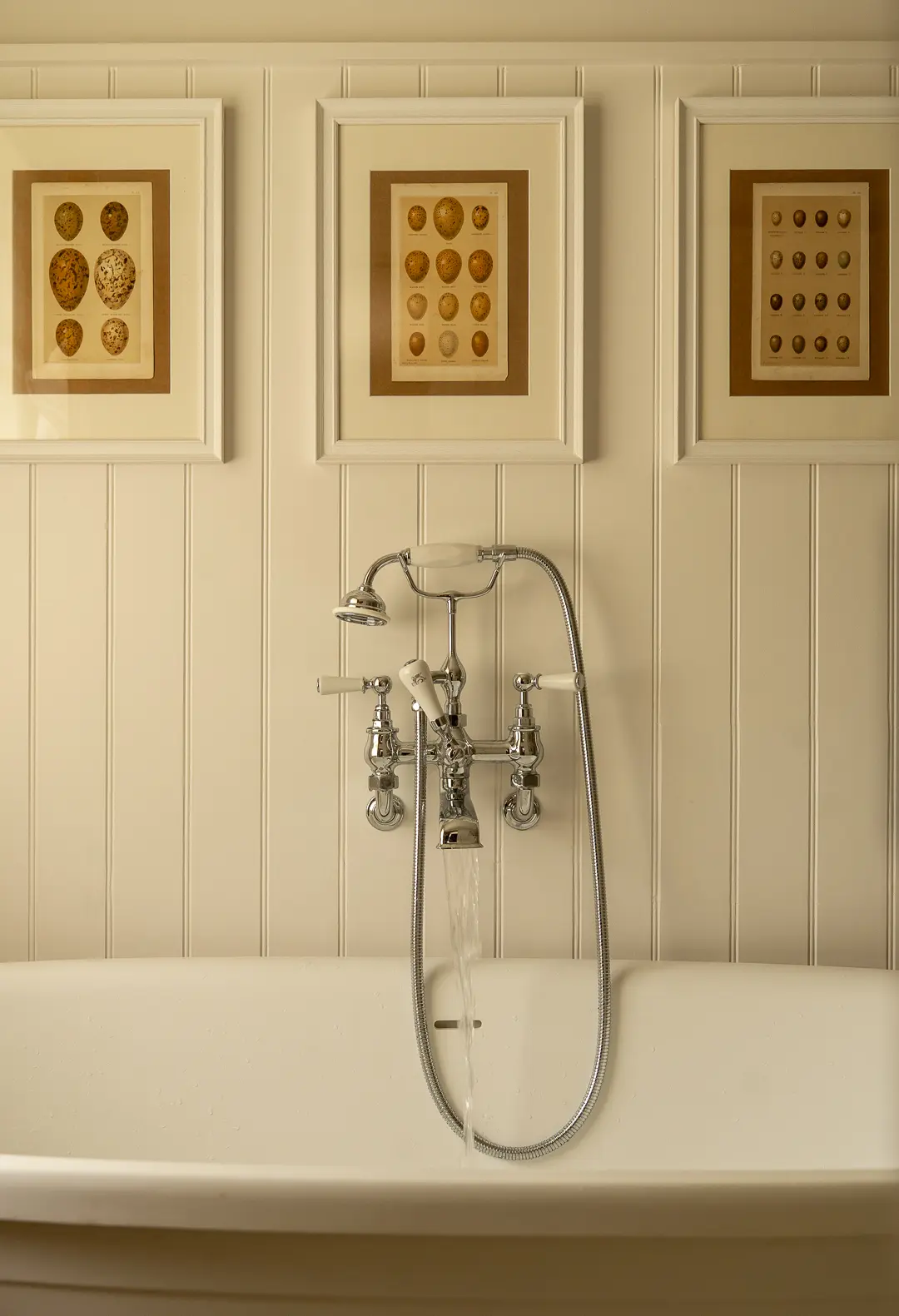
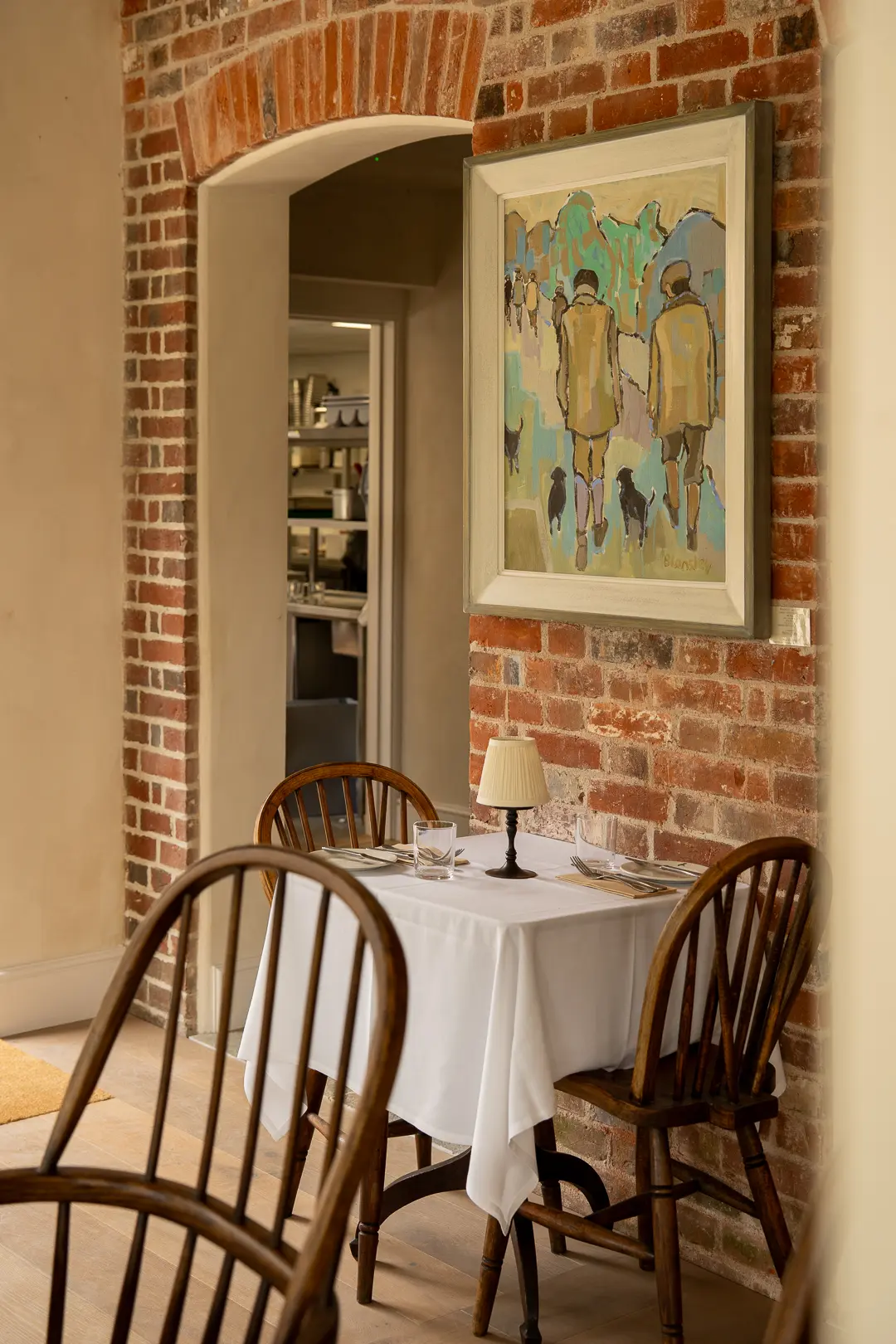
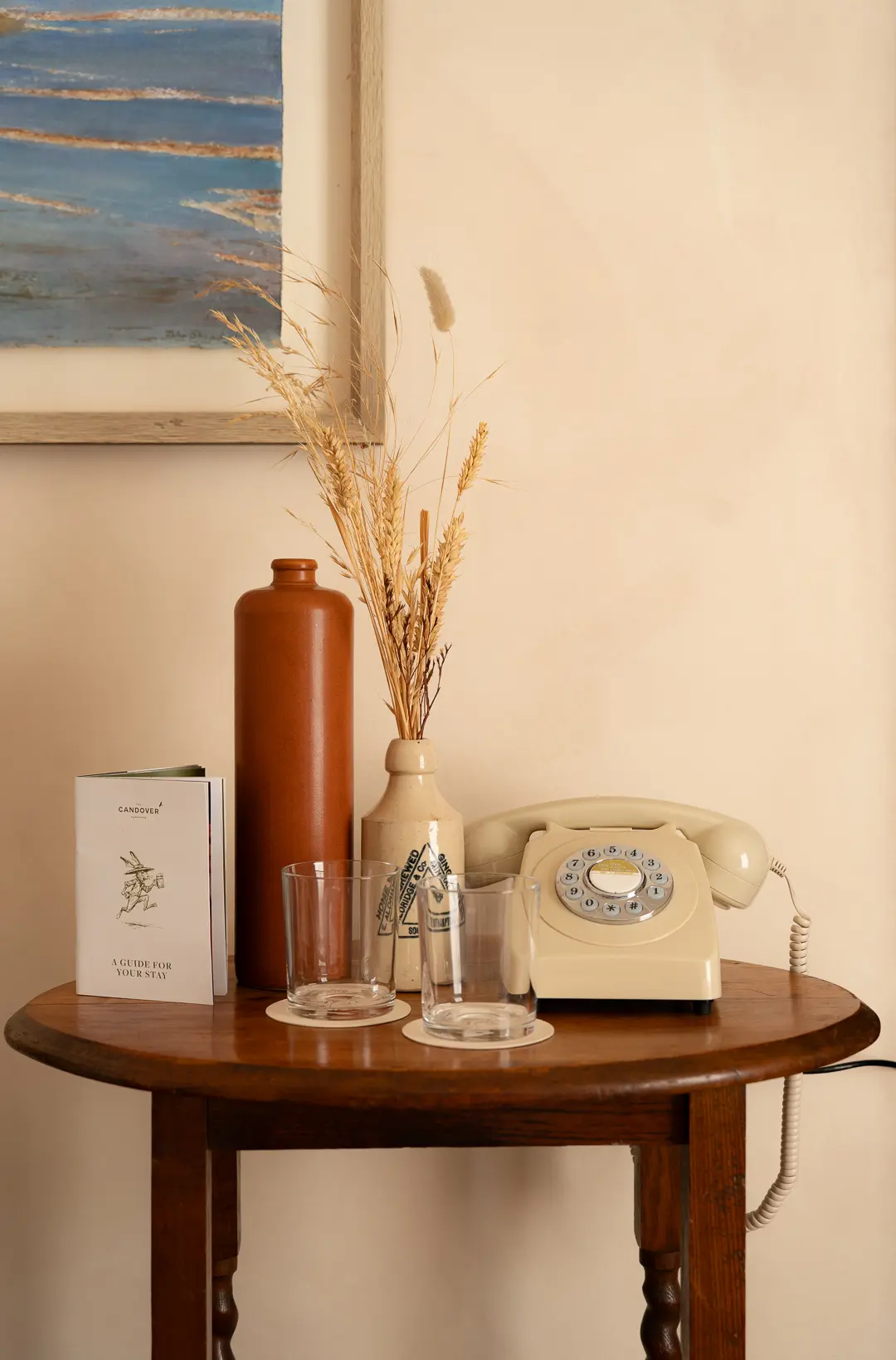
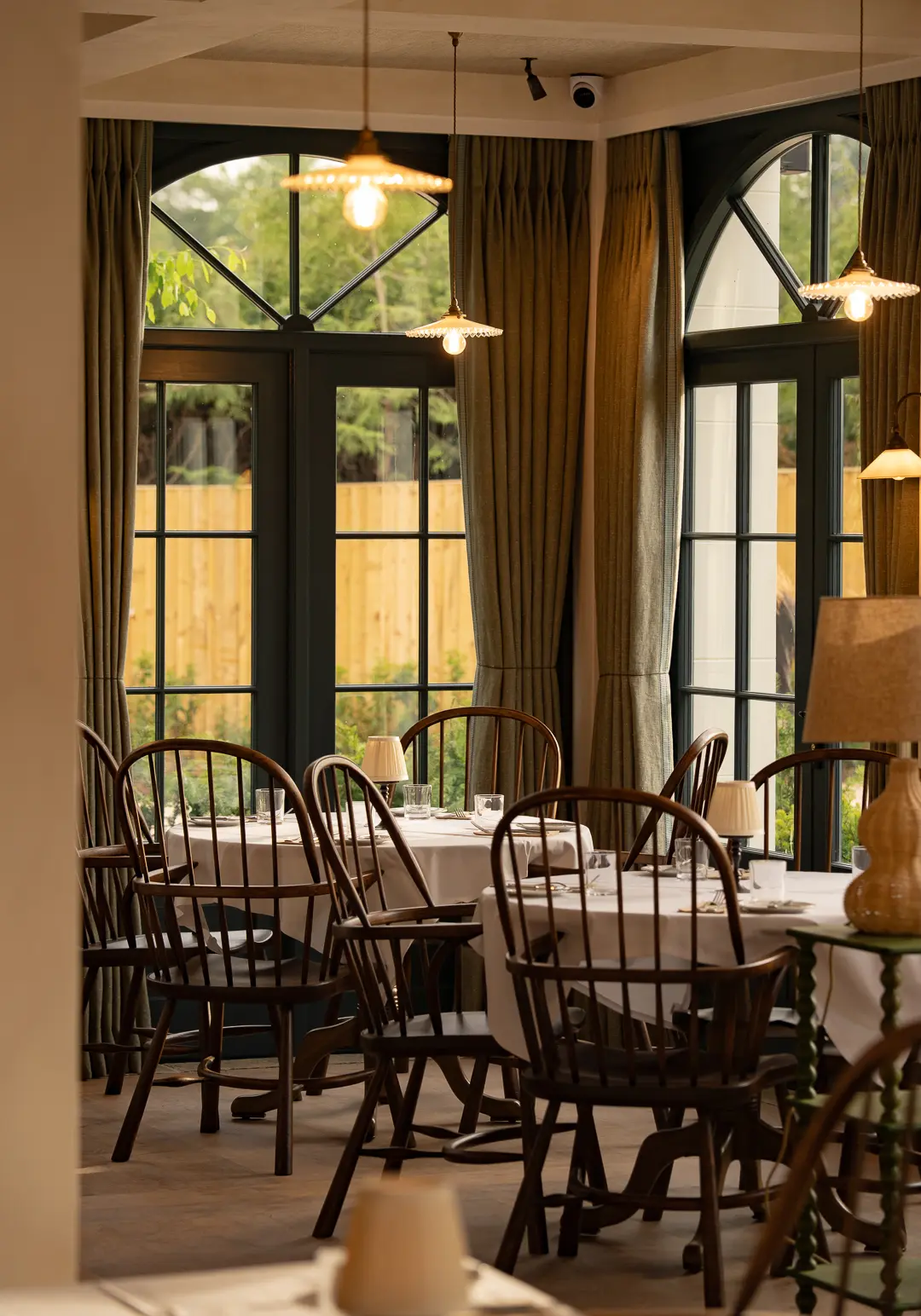
Its historic character remains visible, while antique furniture, traditional country-house textiles and individually designed bedrooms continue the sense of age.

The result preserves something increasingly vulnerable in rural England: not simply an old building, but a village gathering place still fulfilling its original social purpose.

Location & surroundings

The Candover sits in Preston Candover, a small village in Hampshire's Candover Valley surrounded by agricultural land and mature trees.

The pub faces the village green and sits opposite the Church of St Mary the Virgin, reinforcing its position at the centre of village life. Winchester lies around five miles away, while the surrounding countryside offers walking, cycling and easy access to the villages and landscapes of rural Hampshire.

Key details

Address

The Candover
Preston Candover
Hampshire
RG25 2EJ

Getting here

By train: Winchester and Basingstoke provide the most useful mainline connections, with onward travel by taxi.
By car: Preston Candover is within easy reach of Winchester, Basingstoke and Alresford.
From London: Allow roughly 1.5–2 hours by car, depending on traffic.

Facilities

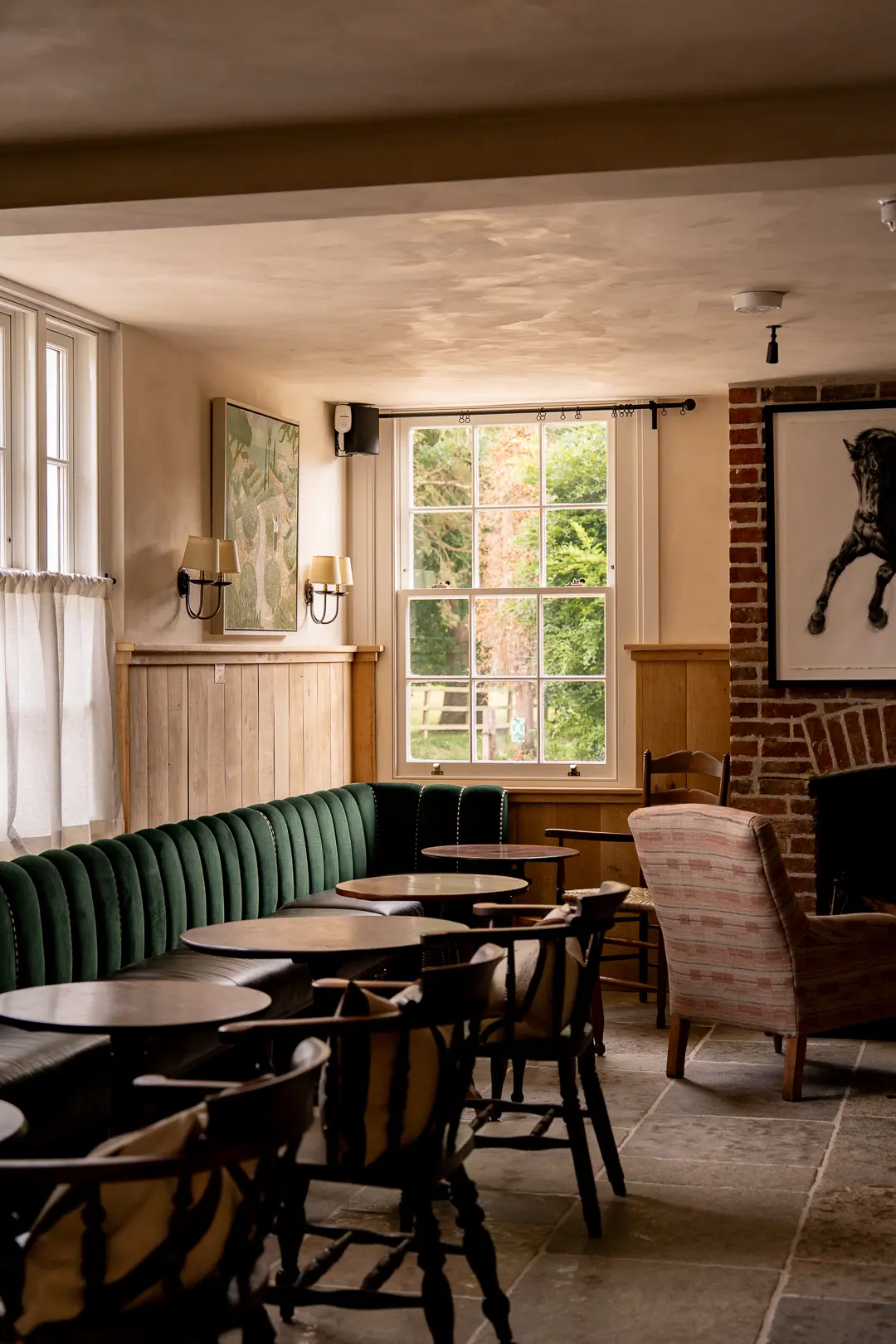
Pub & bar
Outdoor children's play area
Summer Horsebox Kitchen
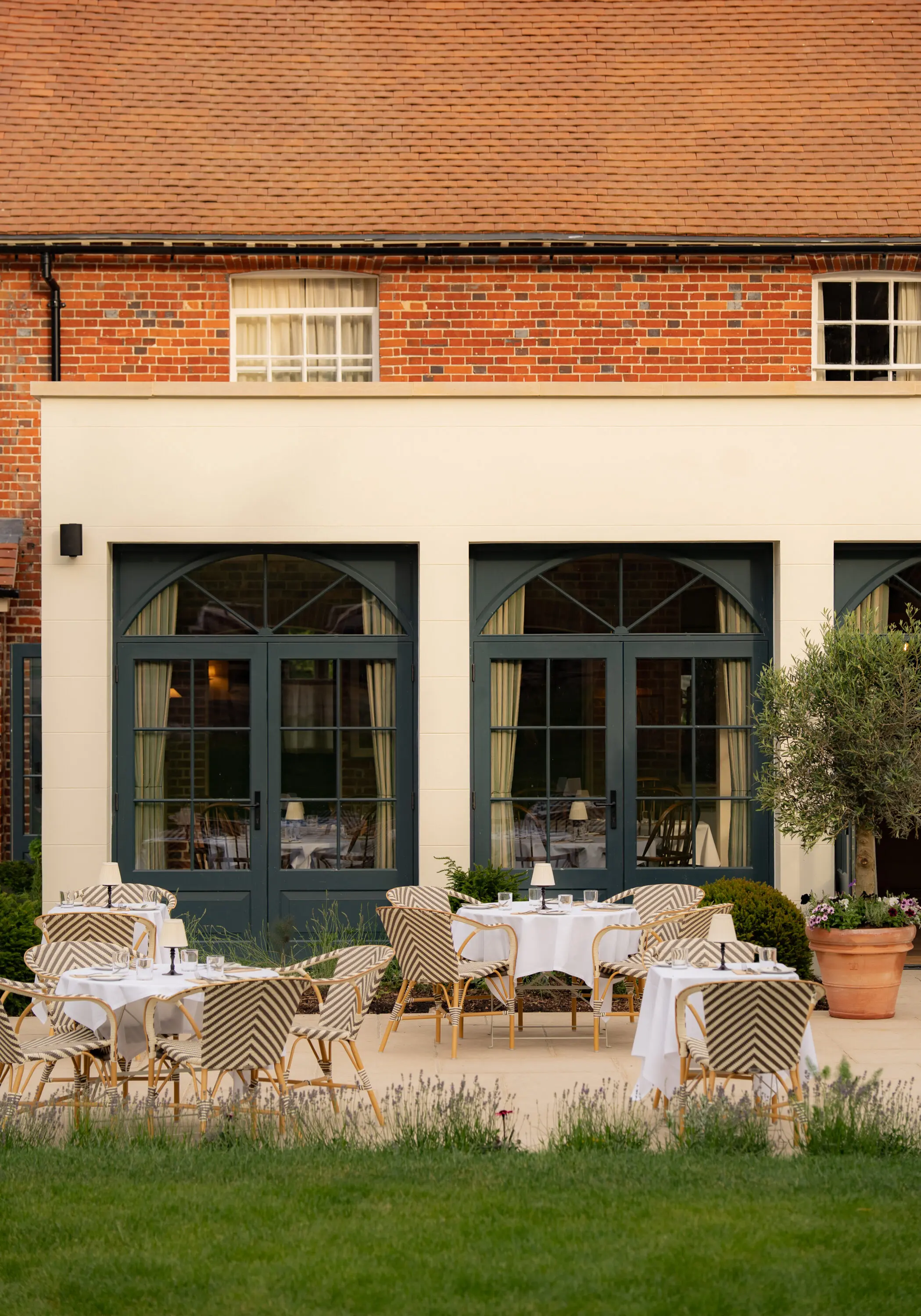
Terrace & garden

More

10 individually designed bedrooms
Private dining for up to 20

Words from Luke Ashwood, Operations Manager

“It’s a place locals can be proud of and enjoy.”

Every stay booked direct keeps value with the people of this place, so they can reinvest in culture, community and land

We believe travel should give back more than it takes; that it can protect cultures, not erode them.

That is why we connect you directly with each hotel’s own website. By booking direct, value remains in the hands of those who shape these places, enabling reinvestment into local culture, community, and land.

Book The Candover direct. Play a part in preserving the culture, community and landscape of this place.

Book Now

The Candover

A Village Pub Saved by Its Locals
Every stay booked direct keeps more value in the hands of the people who shape this place, so they can reinvest in local culture, community and land.