Join The Libra Guide Collection Our Story Contact
Book The Royal George for Book The Royal George
At the heart of Tintern, beneath the wooded slopes of the Wye Valley and moments from the ruins of Tintern Abbey, The Royal George occupies a building dating back to 1598. Once connected to the valley’s early industrial life and later a stopping place for travellers drawn here by the Romantic beauty of the Wye, it has welcomed visitors for almost two centuries.

Story

The Royal George’s story begins in 1598, long before Tintern became synonymous with picturesque ruins and romantic landscapes. At the time, the Wye Valley was an important centre of early industry, particularly iron and wire production. In 1704, the house was enlarged by Richard White, owner of Tintern’s Old Wire Works, and was later occupied by Robert Thompson, manager of the works.

By the late 18th century, perceptions of the valley were changing. In 1770, artist and clergyman William Gilpin travelled down the River Wye, later publishing his influential Observations on the River Wye. His celebration of rugged landscapes and romantic ruins helped popularise the concept of the Picturesque, and the resulting Wye Tour became one of Britain’s earliest forms of scenic tourism. Tintern Abbey was one of its defining sights.

Improved access following the arrival of the Wye Valley Turnpike in 1829 brought increasing numbers of travellers, and the house was recorded as a hotel by 1835. In that sense, hospitality here grew directly out of one of Britain's earliest travel movements.

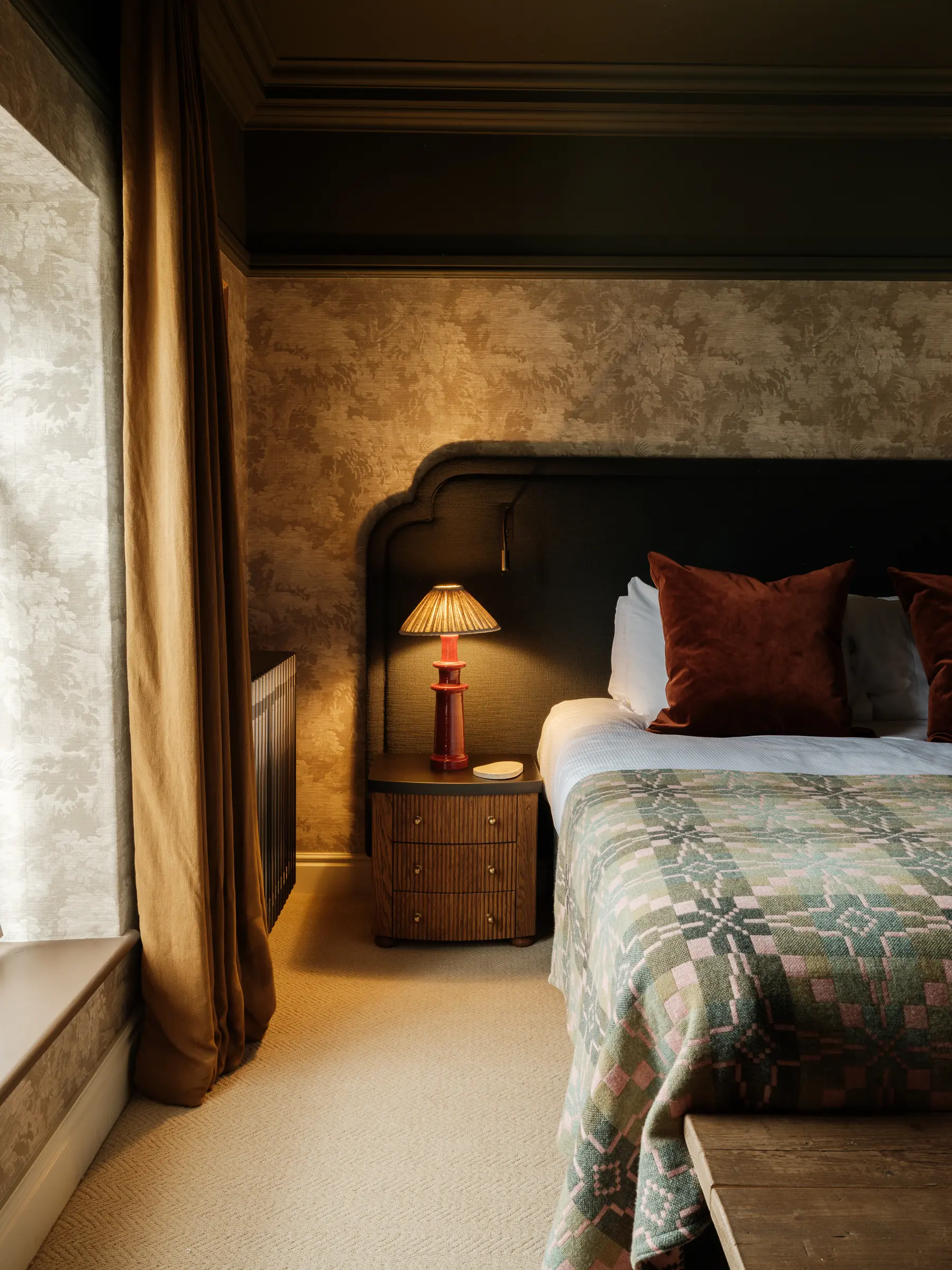
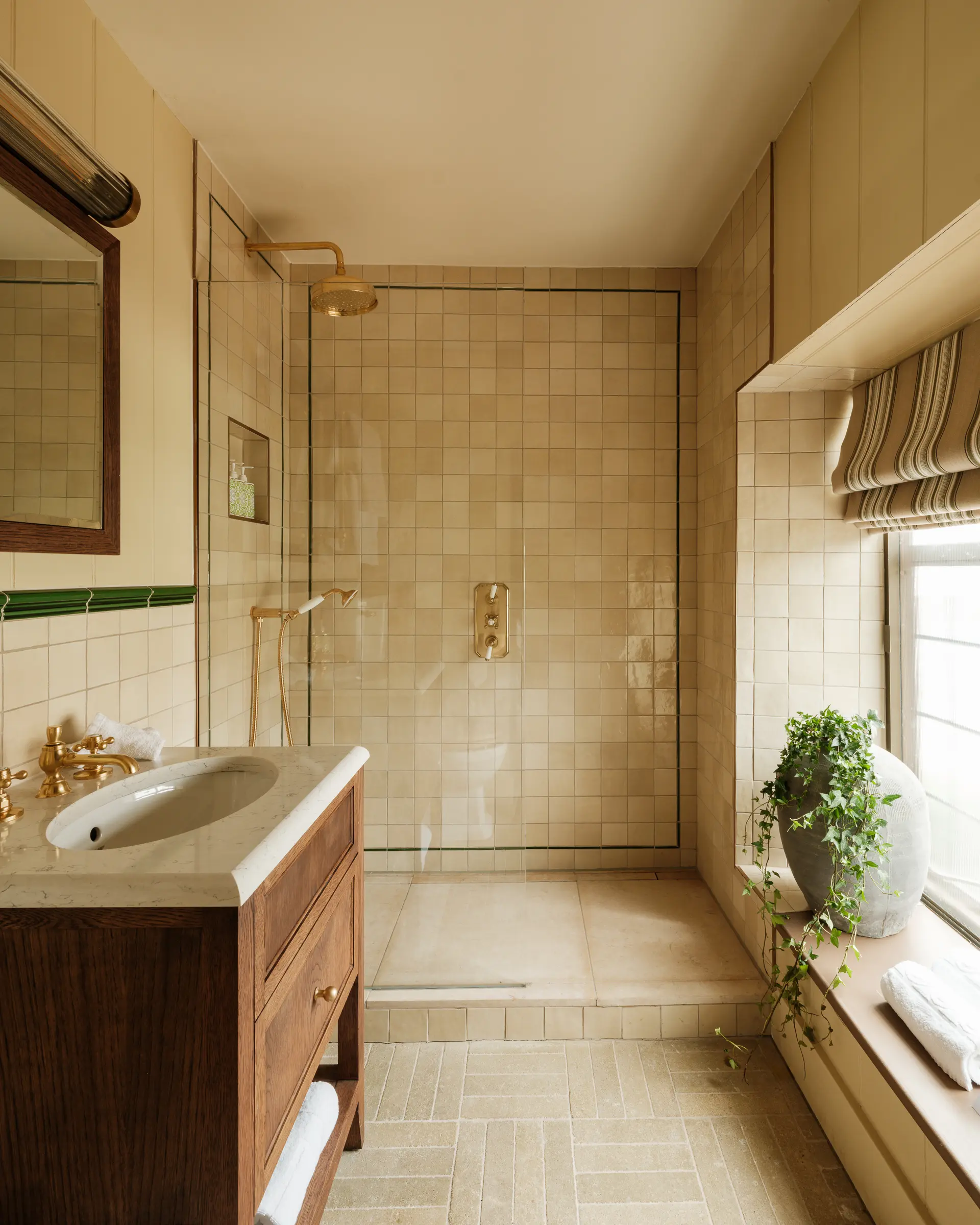
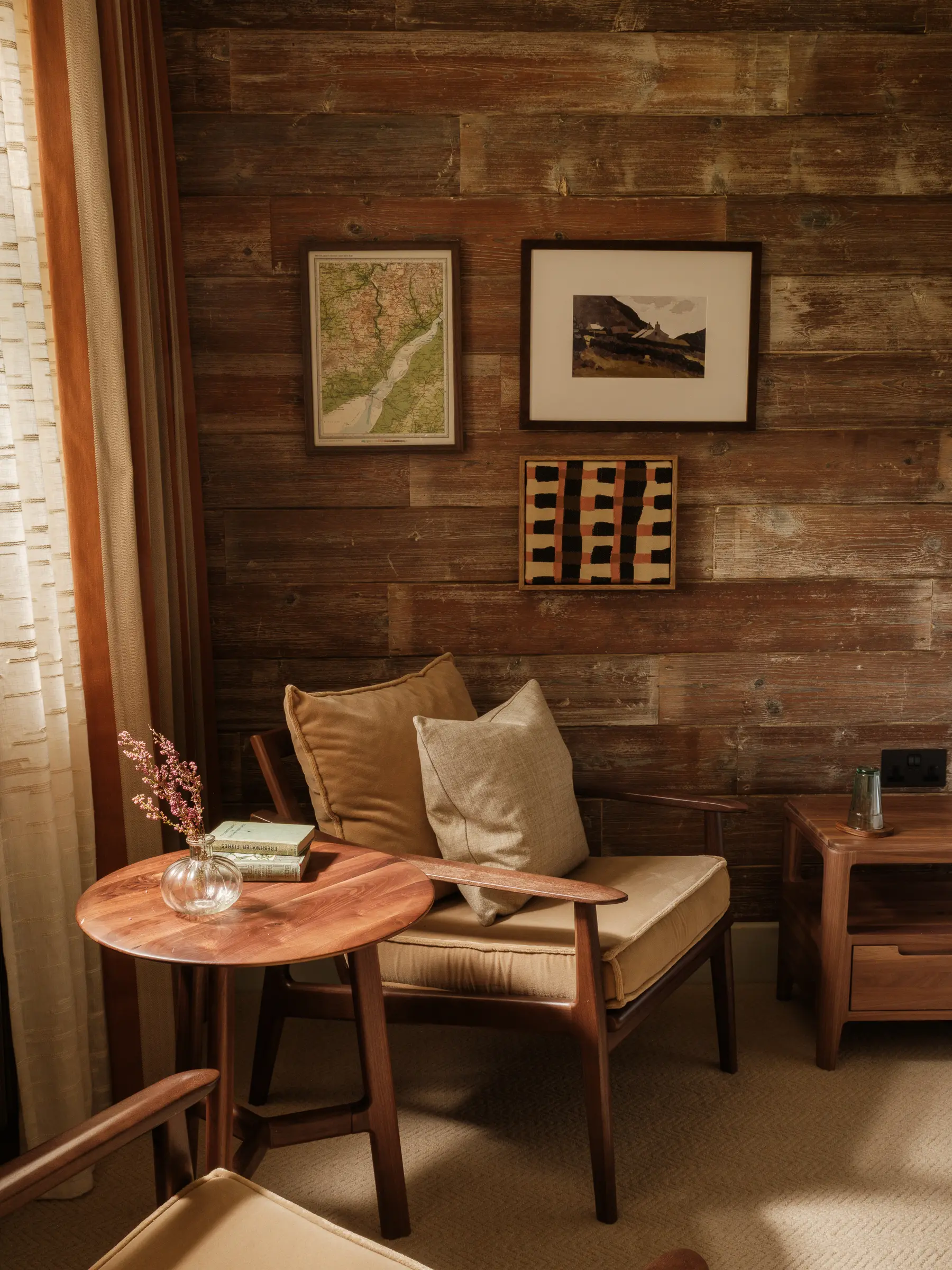
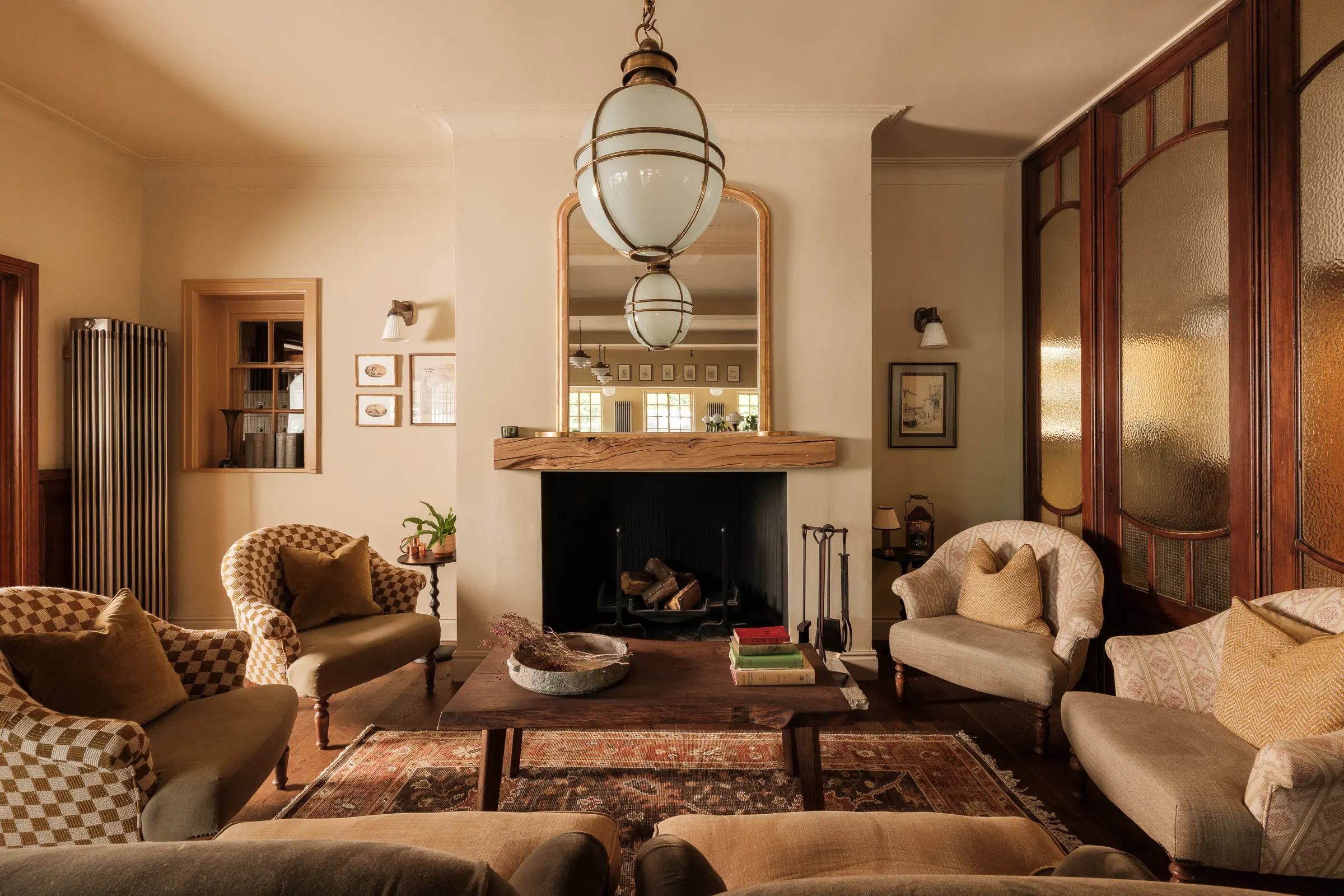
After centuries of alteration, The Royal George underwent a two-year restoration, reopening in August 2025. Rather than erasing its age, the project revealed original Welsh flagstones and timber beams and introduced reclaimed Welsh slate, traditional panelling and limewashed finishes.

Local life & traditions

Life in Tintern has always been intertwined with the River Wye and surrounding woodland. Before tourism, the valley supported ironworks, wire-making, forestry and other industries that made use of its water and natural resources. The remains of this working landscape still sit alongside the medieval abbey and village today.

The Wye also has a remarkable cultural legacy. From the late 18th century, artists, writers and travellers came here in search of the Picturesque, following the river between wooded cliffs, villages and ruins. Walking, fishing and spending time along the river remain central to life here, while the surrounding Welsh border country retains strong traditions of farming, cider-making and seasonal local produce.

Authentic experiences in the area

Walk in the footsteps of the Wye Tour

Follow sections of the river landscape that drew Britain’s earliest scenic travellers here more than two centuries ago, seeing the valley through the wooded viewpoints that helped inspire the Picturesque movement.

Explore Tintern Abbey

Walk from The Royal George to the extraordinary ruins of the Cistercian abbey, whose Gothic arches against the surrounding hills became one of the defining images of the historic Wye Tour.

Taste the Welsh borders

The kitchen describes its approach as farm-to-table, using regional produce and working with local farmers and suppliers to connect its menus to the surrounding countryside.

Discover Tintern's industrial past

Look beyond the abbey to the remains and stories of the village’s iron and wire-making industries — a history directly connected to The Royal George through former owner Richard White and the Old Wire Works.

Protecting culture & land

The most tangible act of preservation at The Royal George has been the restoration of the building itself. During the recent two-year project, original Welsh flagstones and timber beams were uncovered and retained, while reclaimed Welsh slate, traditional panelling and limewashed paints were introduced in keeping with its historic character.

Its approach to food provides another connection to place, with menus designed around regional produce and local farmers. And by continuing to function as a pub, restaurant and gathering place as well as a hotel, the building retains something of its historic social purpose within Tintern rather than becoming a purely visitor-facing heritage property.

Location & surroundings

The Royal George sits in the village of Tintern, Monmouthshire, Wales, in the Wye Valley, just moments from Tintern Abbey.

The landscape is one of wooded hills, river valleys and historic border villages, with walking trails leading directly into the surrounding countryside. The position also puts guests within easy reach of the wider Wye Valley and Forest of Dean.

Key details

Address

The Royal George
Tintern
Chepstow
NP16 6SF
Wales, United Kingdom

Getting here

By car: Tintern is around 15 minutes from Chepstow, approximately 45 minutes from Bristol and an hour from Cardiff.
By train: Chepstow is the closest useful railway station, with a taxi required for the final journey to Tintern.
By plane: Bristol Airport is the most convenient major airport.

Facilities

Farm-to-table dining
Garden / outdoor spaces
Direct access to Wye Valley walks
Restaurant, bar & pub
In-room massage treatments available on request

More

19 bedrooms
Dog-friendly options

Every stay booked direct keeps value with the people of this place, so they can reinvest in culture, community and land

We believe travel should give back more than it takes; that it can protect cultures, not erode them.

That is why we connect you directly with each hotel’s own website. By booking direct, value remains in the hands of those who shape these places, enabling reinvestment into local culture, community, and land.

Book The Royal George direct. Play a part in preserving the culture, community and landscape of this place.

Book Now

The Royal George

Four Centuries in the Wye Valley
Every stay booked direct keeps more value in the hands of the people who shape this place, so they can reinvest in local culture, community and land.