Join The Libra Guide Collection Our Story Contact
Book Babylonstoren for Book Babylonstoren
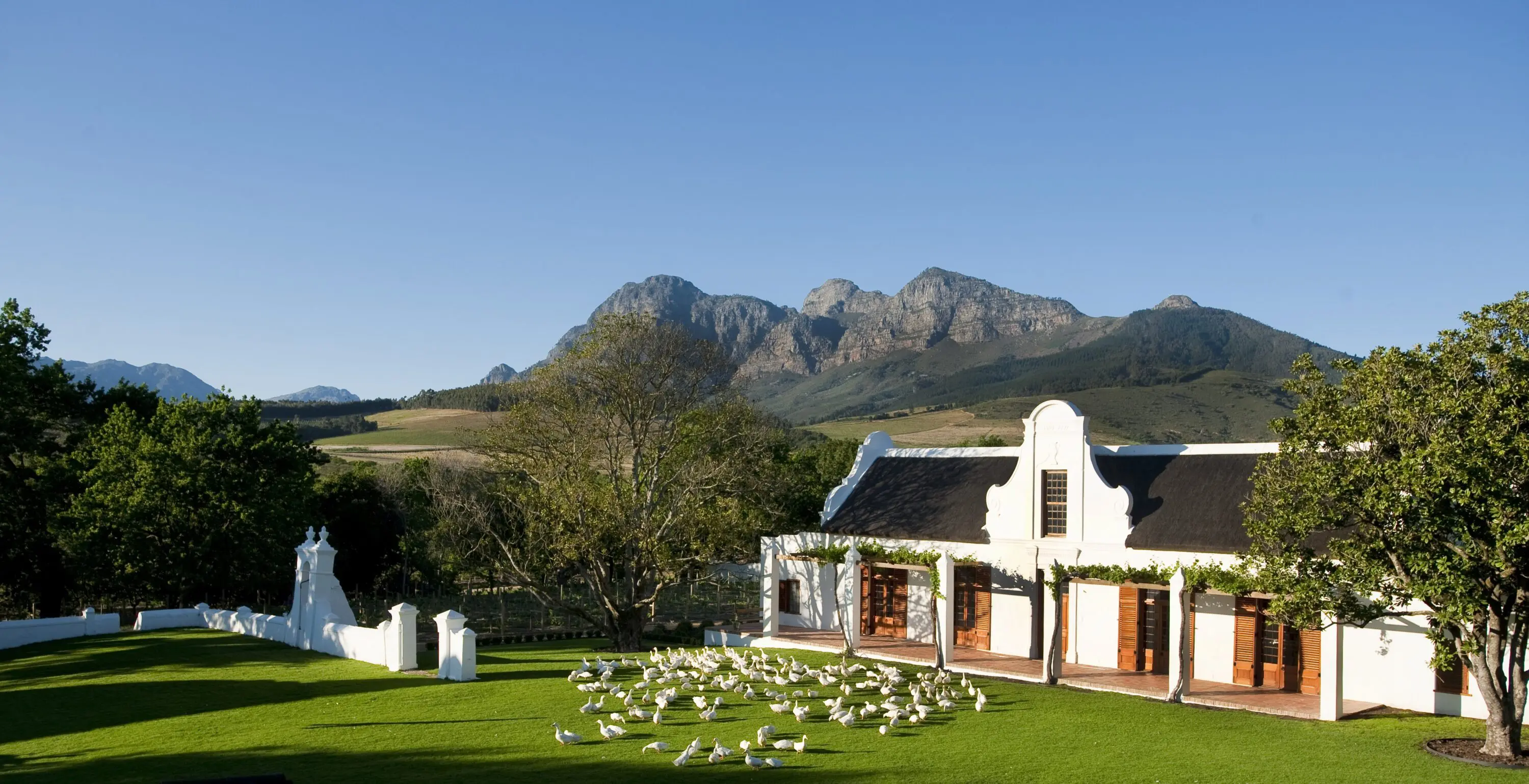
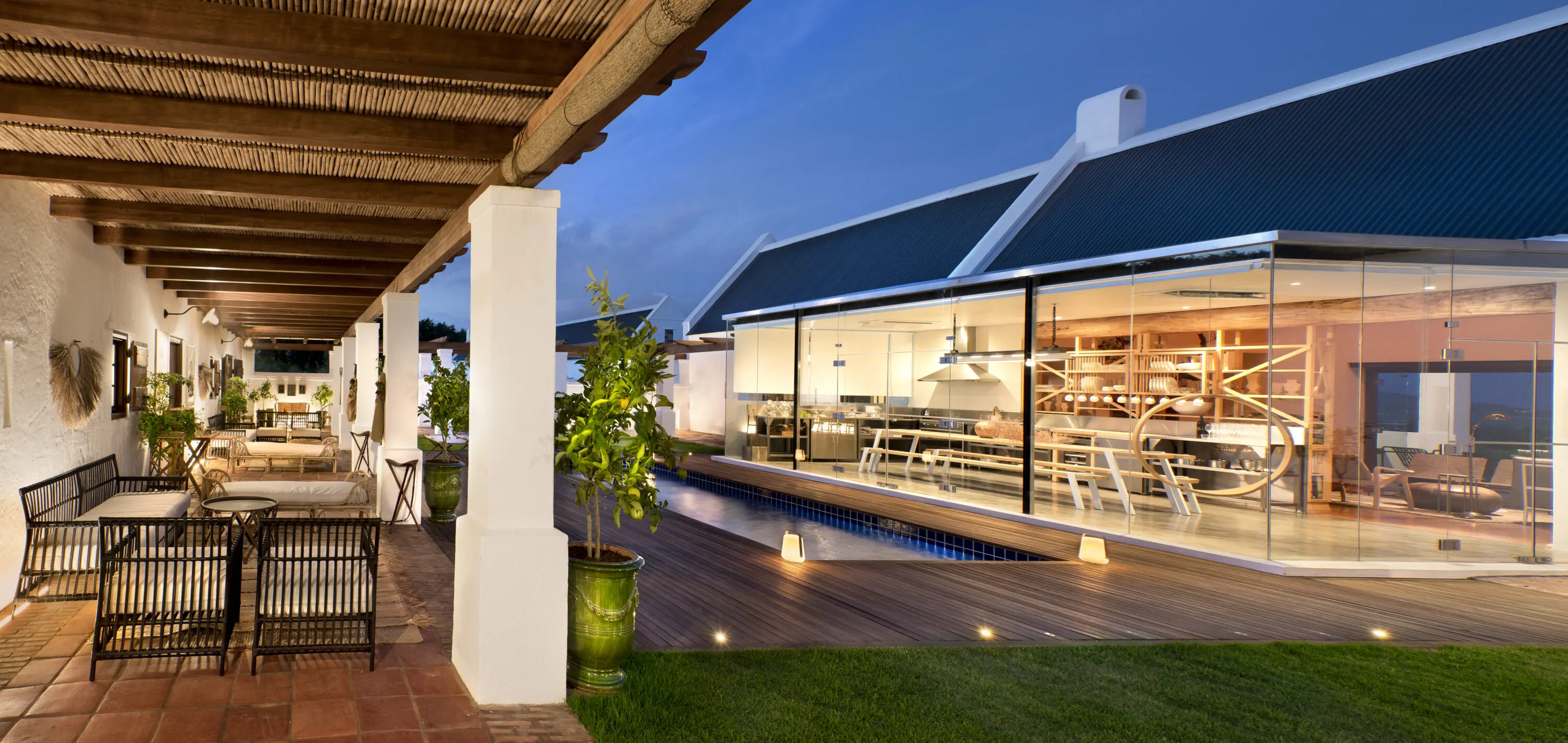
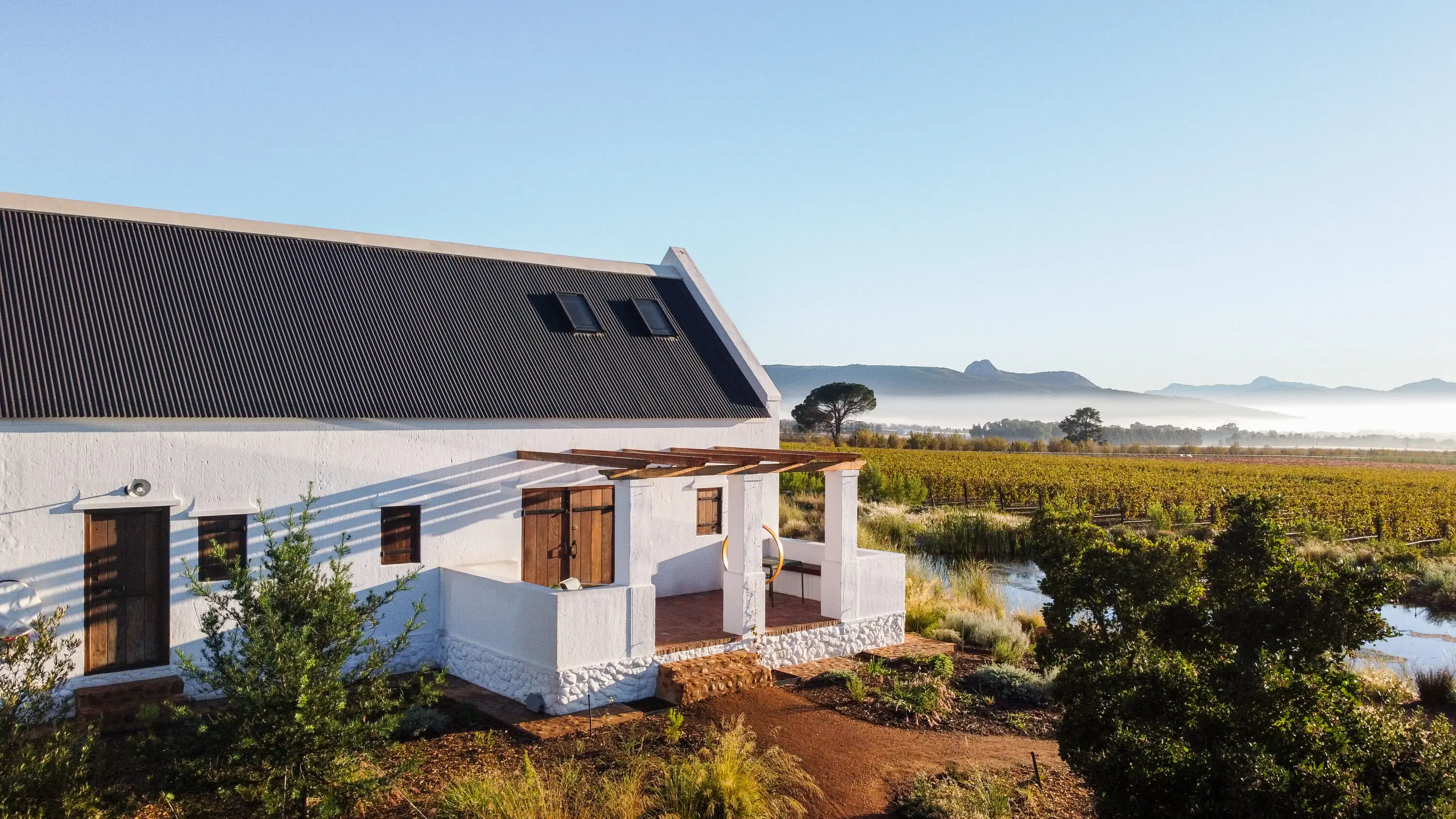
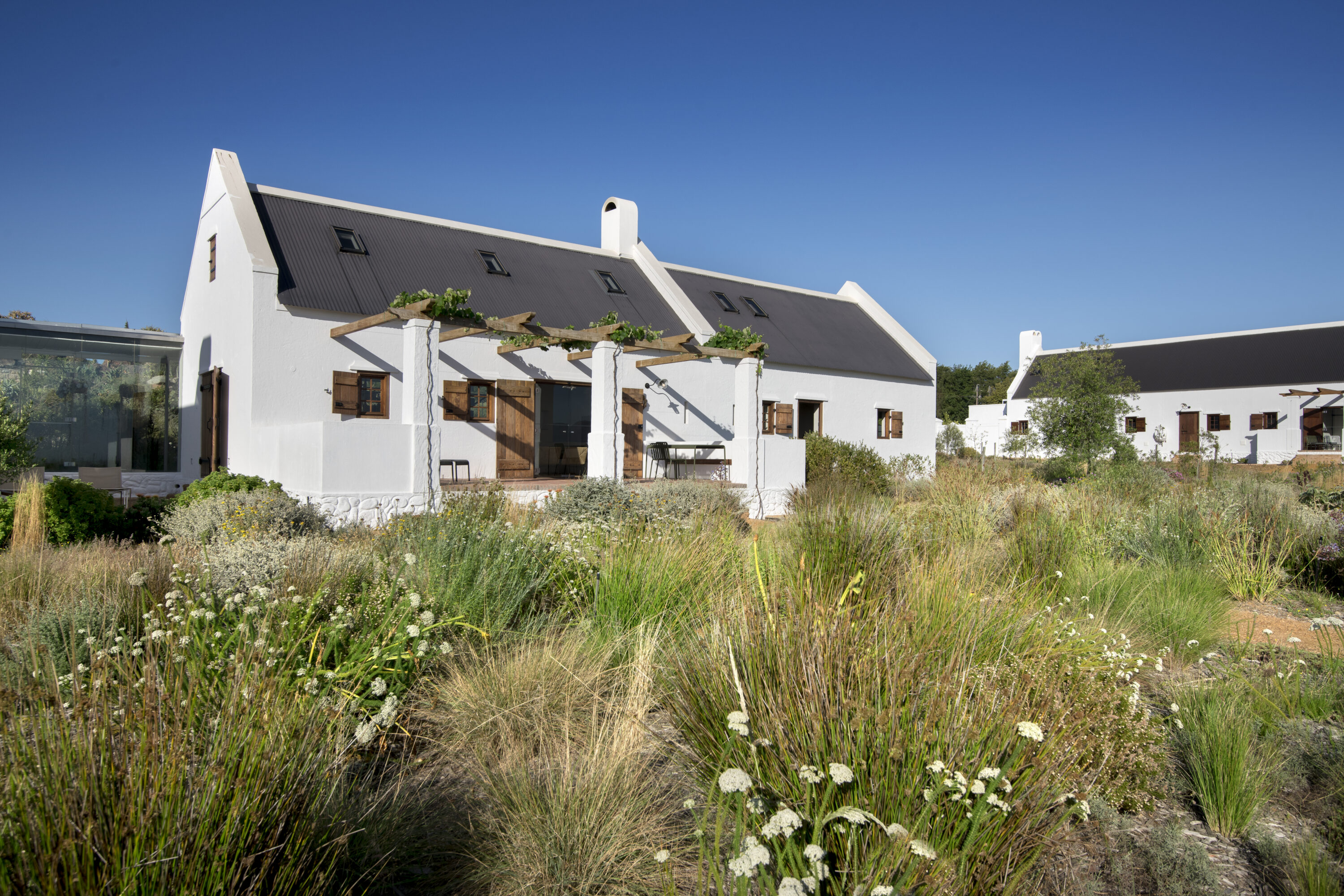
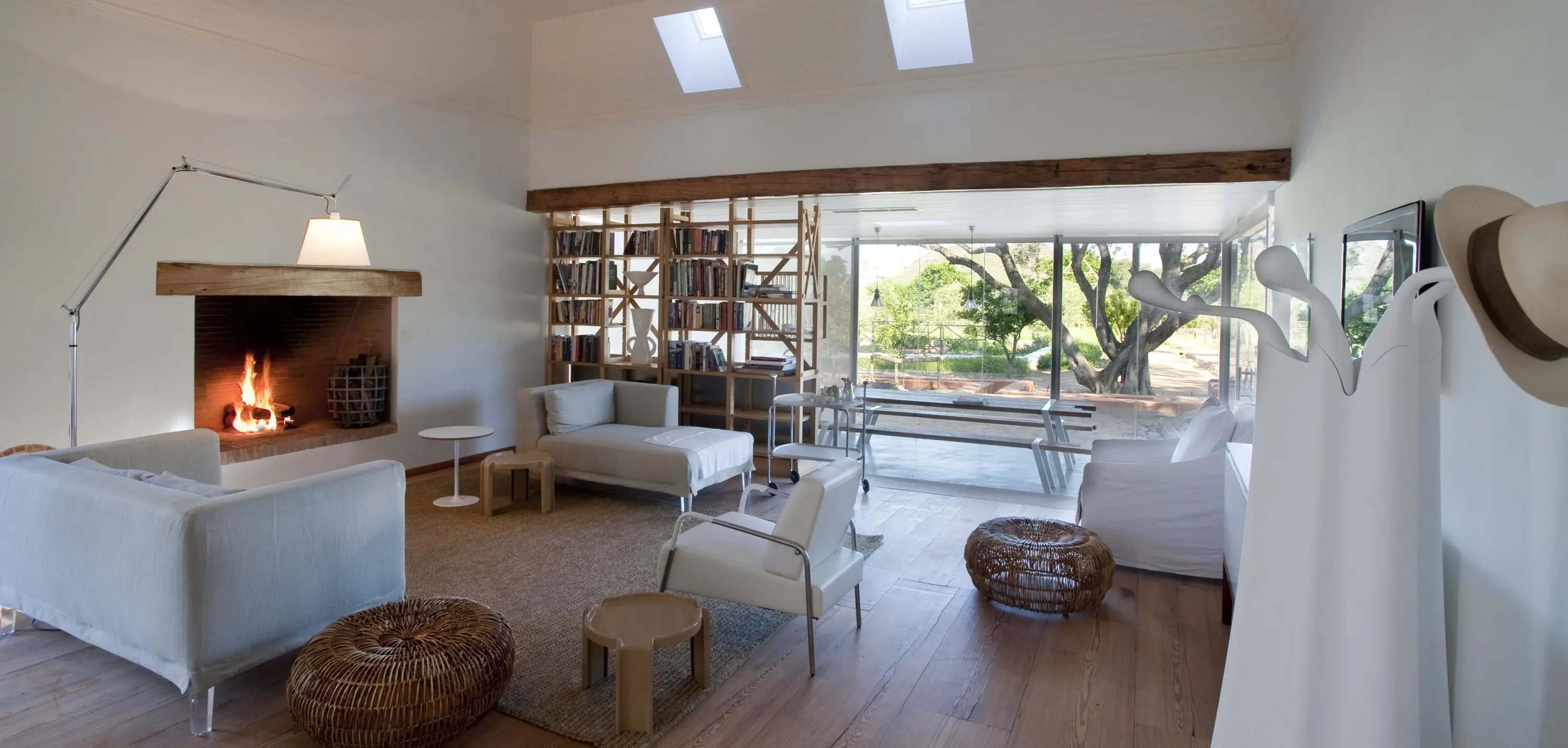
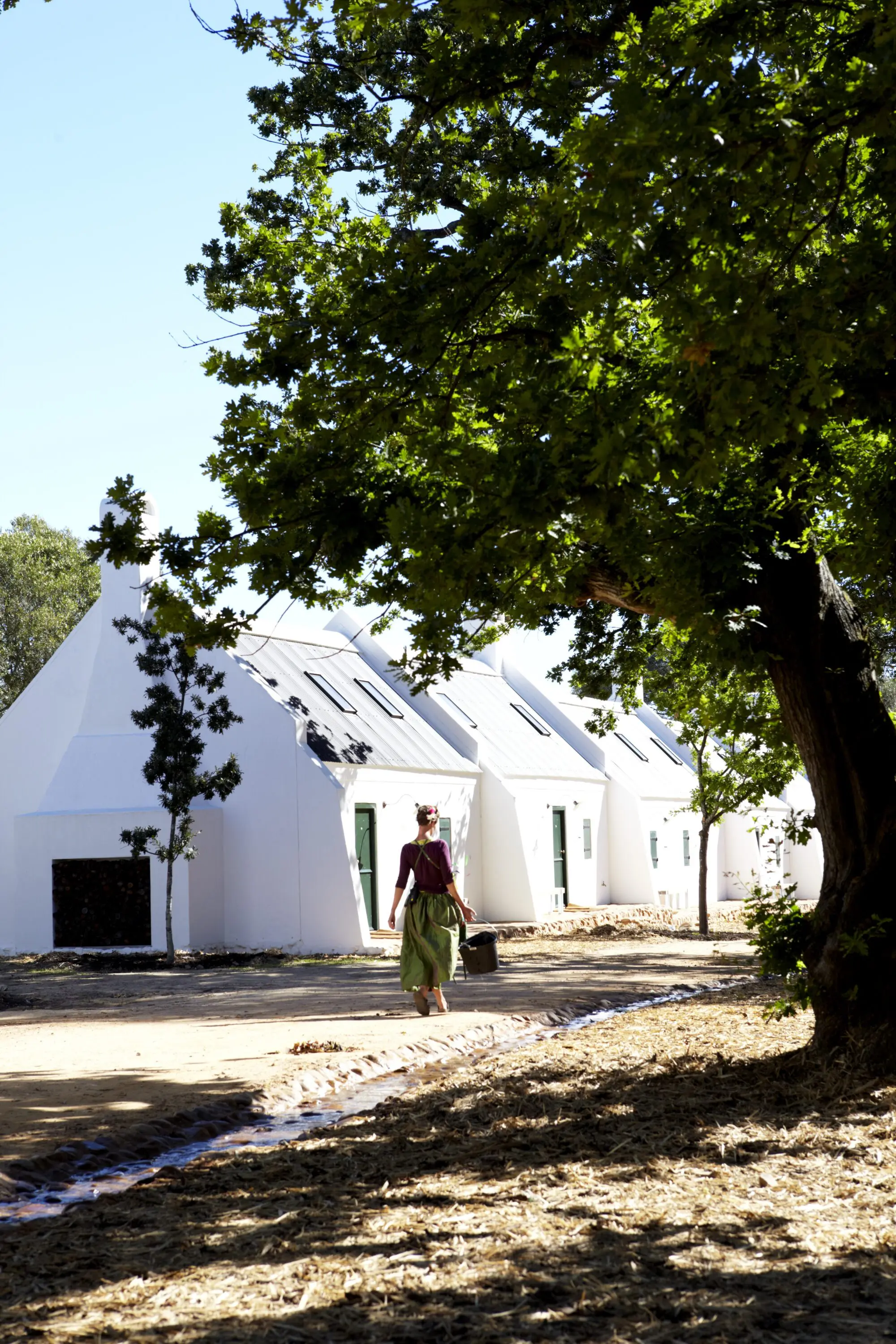
At the foot of the Simonsberg in South Africa's Cape Winelands, Babylonstoren is one of the region's oldest working Cape Dutch farms. Dating to 1692, its whitewashed farm buildings, vineyards, orchards and extraordinary edible garden have been carefully revived by owners Karen Roos and Koos Bekker, creating a place where guests don't simply stay in the landscape but experience the farming, food, wine and horticultural traditions that have shaped it for centuries

Story

Babylonstoren's recorded history as a colonial farm begins in 1692, when Cape Governor Simon van der Stel granted the land to Pieter van der Byl. Vineyards were planted and watercourses altered to irrigate the land, beginning the agricultural story that continues today. The wider Drakenstein Valley, however, had been inhabited by Khoisan communities for thousands of years before European settlement, an important earlier layer of the landscape's history.

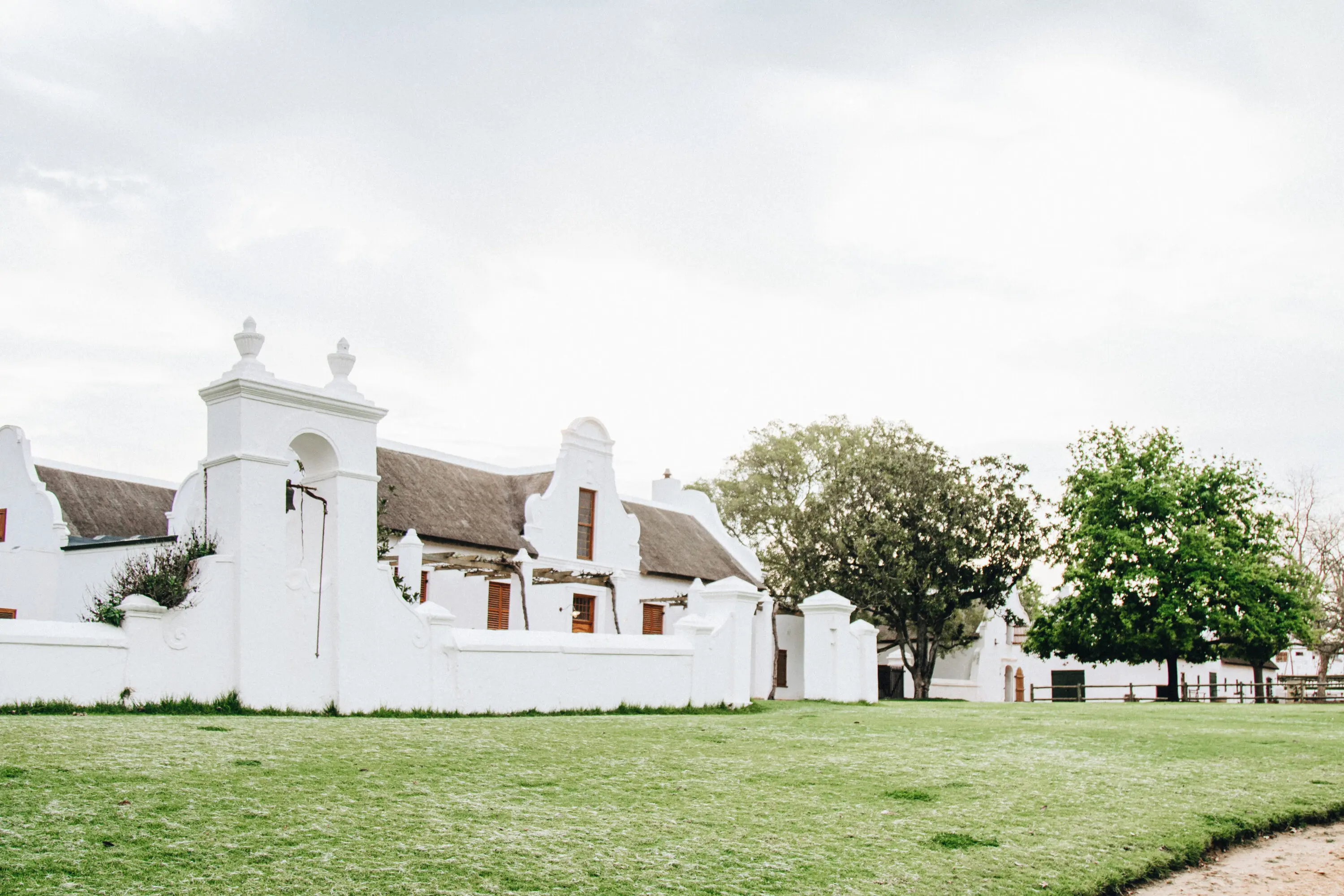
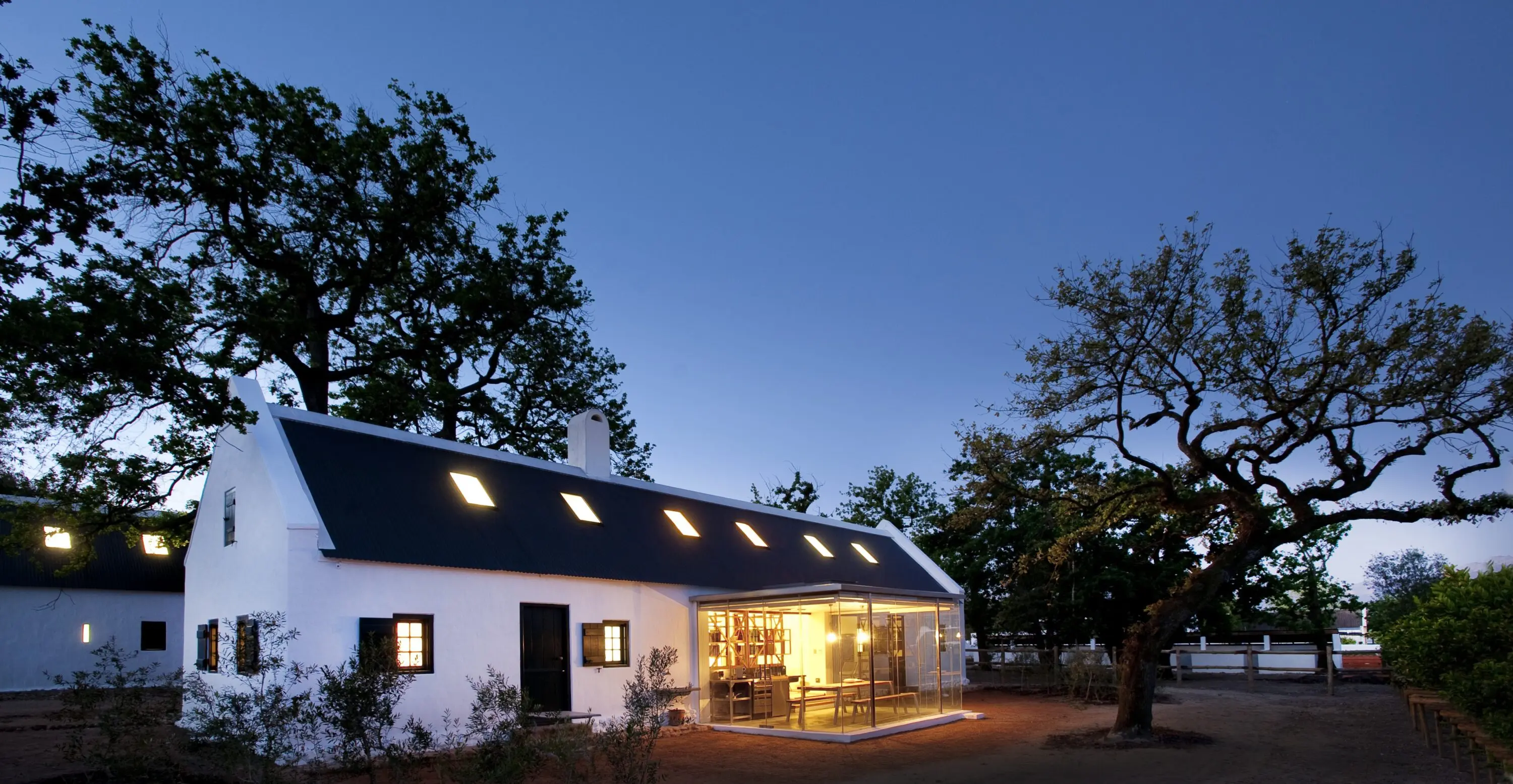
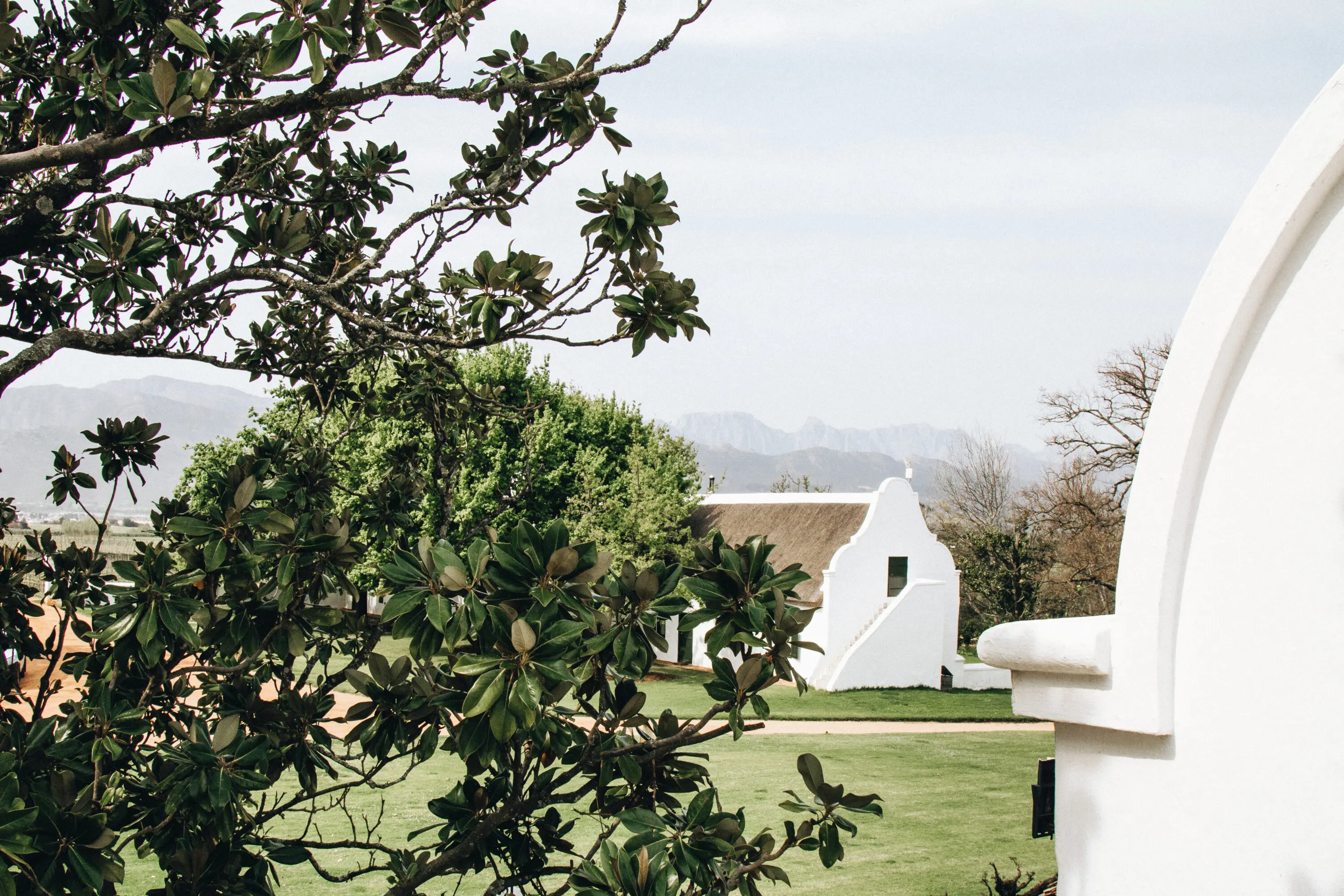
Over the centuries, a traditional Cape farmyard — or werf — developed around the estate. Its historic structures survive as one of the most intact examples of Cape Dutch farm architecture in the Winelands, including the manor house dating to 1777.

In 2007, Karen Roos and Koos Bekker bought Babylonstoren, initially imagining it as a private weekend retreat. Both had grown up on farms, and Roos — formerly editor of ELLE Decoration South Africa — became fascinated by the property's unusually intact architecture and agricultural history.

Rather than simply creating a hotel, they began bringing the farm back to life.

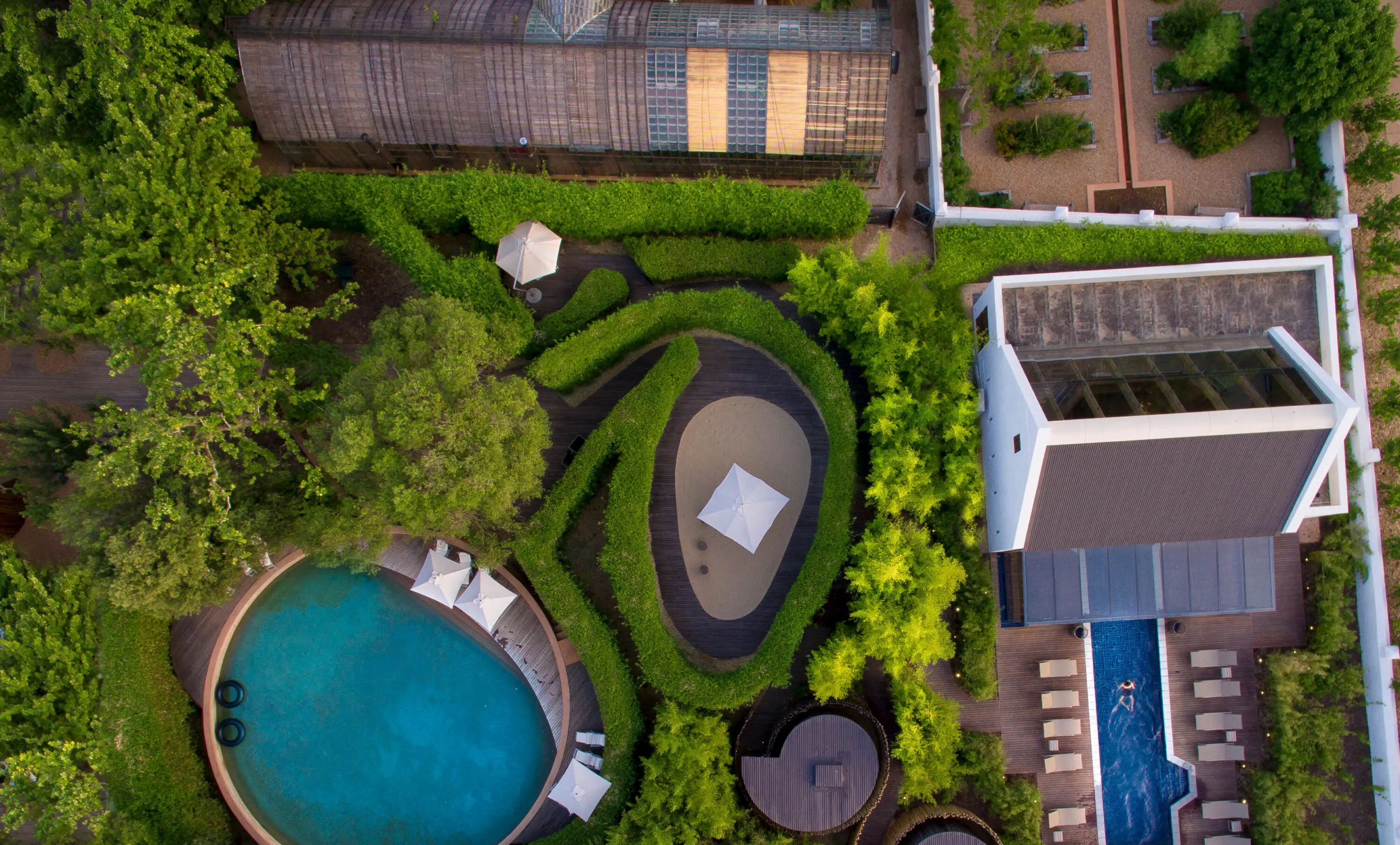
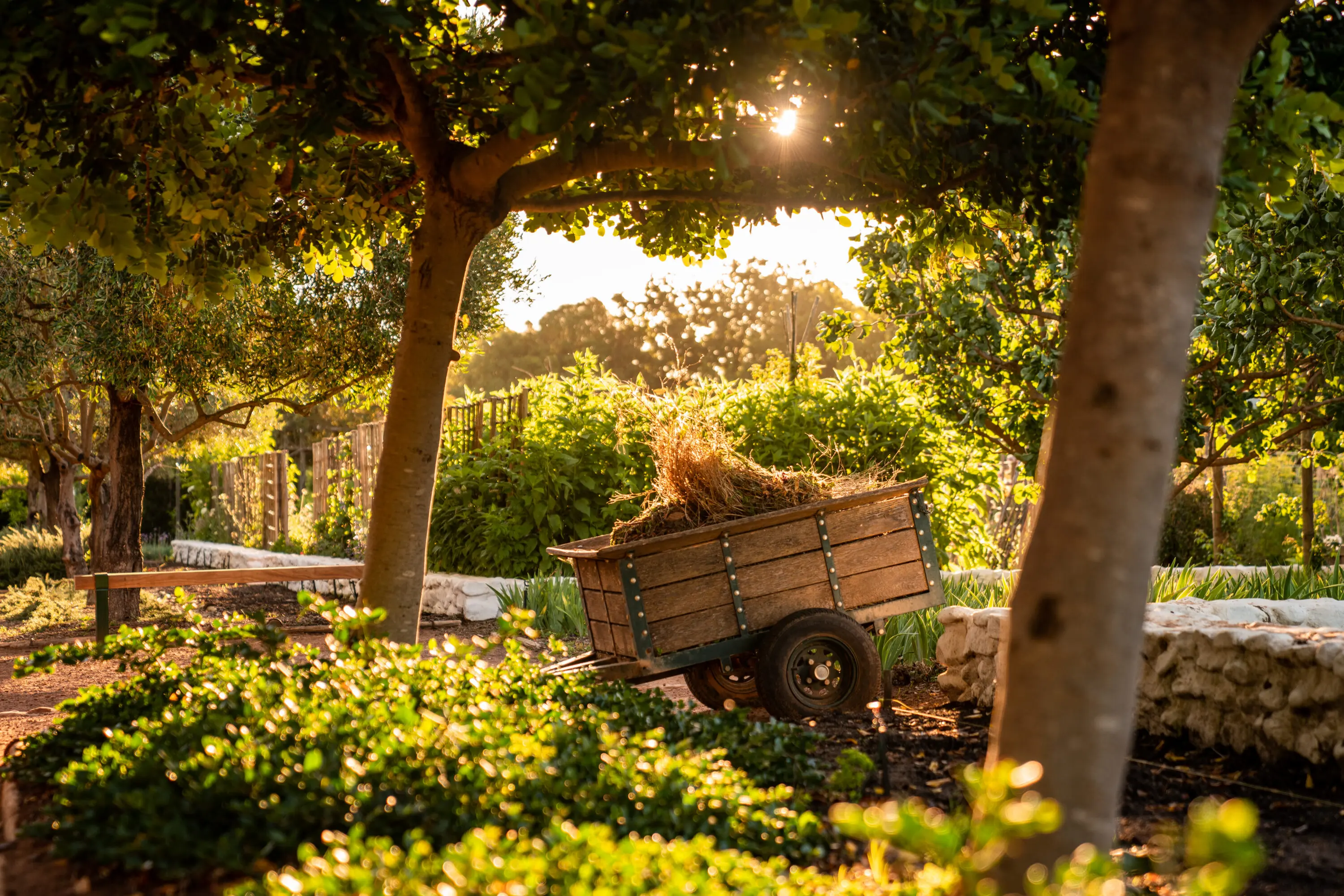
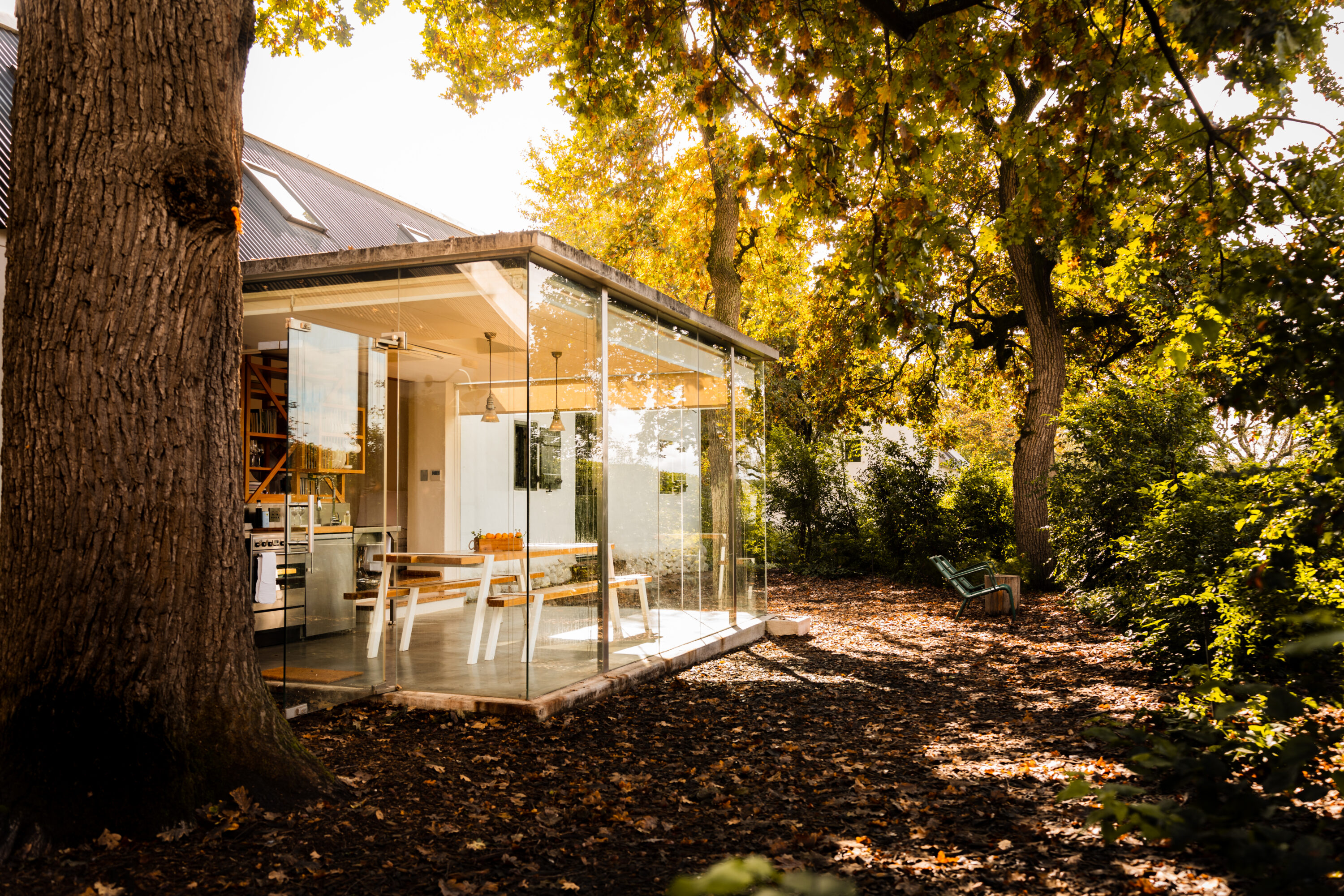
Roos invited French garden designer Patrice Taravella to create an eight-acre productive garden inspired partly by the historic Company's Garden in Cape Town, which once grew fruit and vegetables to provision ships travelling around the Cape. Today more than 300 edible or medicinal varieties grow here, supplying the farm's kitchens throughout the year.

The historic buildings were approached with similar care. In the manor house, Roos even removed 23 layers of paint to uncover the original ochre wall colour beneath — an indication of how seriously the restoration has treated the accumulated history of the farm.

Local life & traditions

Life in the Cape Winelands has long been shaped by farming, wine and the changing seasons. Vineyards, orchards and harvest traditions remain central to the Boland, while its food culture reflects the region’s layered African, Dutch, Malay and Asian influences — from preserving seasonal fruit to dishes such as bobotie and blatjang.

Babylonstoren keeps many of these traditions tangible. Grapes are harvested for wine, fruit and vegetables move directly from garden to kitchen, and old practices such as preserving, baking and working with the seasons are actively shared with guests. Its productive garden also takes inspiration from Cape Town’s historic Company’s Garden, once used to provision passing ships with fresh produce.

Authentic experiences in the area

Harvest with the gardeners

Walk the garden with the people who tend it, learning what’s in season and picking fruit, vegetables and herbs. It makes Babylonstoren’s farm-to-table philosophy tangible rather than simply something encountered on a menu.

Understand Cape wine from vine to cellar

Explore the vineyards and cellar before tasting wines grown and produced on the estate, connecting one of the Winelands’ defining agricultural traditions directly to the landscape.

Follow the old water channels

Look for the leiwater channels running through the gardens. Water has been directed across Cape farms through systems like these for centuries; at Babylonstoren, gravity still carries water through rills into ponds and productive gardens.

Cook from the Cape garden

Join one of the farm’s food and gardening experiences, learning to work with seasonal produce, preserves, herbs or other ingredients harvested from the estate itself.

Protecting culture & land

Babylonstoren's approach begins with keeping a historic farm productive rather than preserving it as a museum.

Its Cape Dutch buildings have been restored with close attention to their original fabric, while the werf, farm structures and agricultural relationship between buildings and land remain legible.

The landscape is actively managed too. Babylonstoren protects areas of indigenous renosterveld, part of the Cape Floral Kingdom; maintains habitats for bees and other pollinators; composts food waste back into the soil; and has introduced water-saving irrigation that it says has reduced consumption by 50%. No municipal water is used for irrigation.

Solar power is being expanded across farm operations, while produce that might otherwise be wasted is preserved or reused in kitchens.

Importantly, the farm also describes its relationship with the surrounding Boland community as part of its responsibility. Its educational initiatives include a learning centre intended to support the children of employees.

Location & surroundings

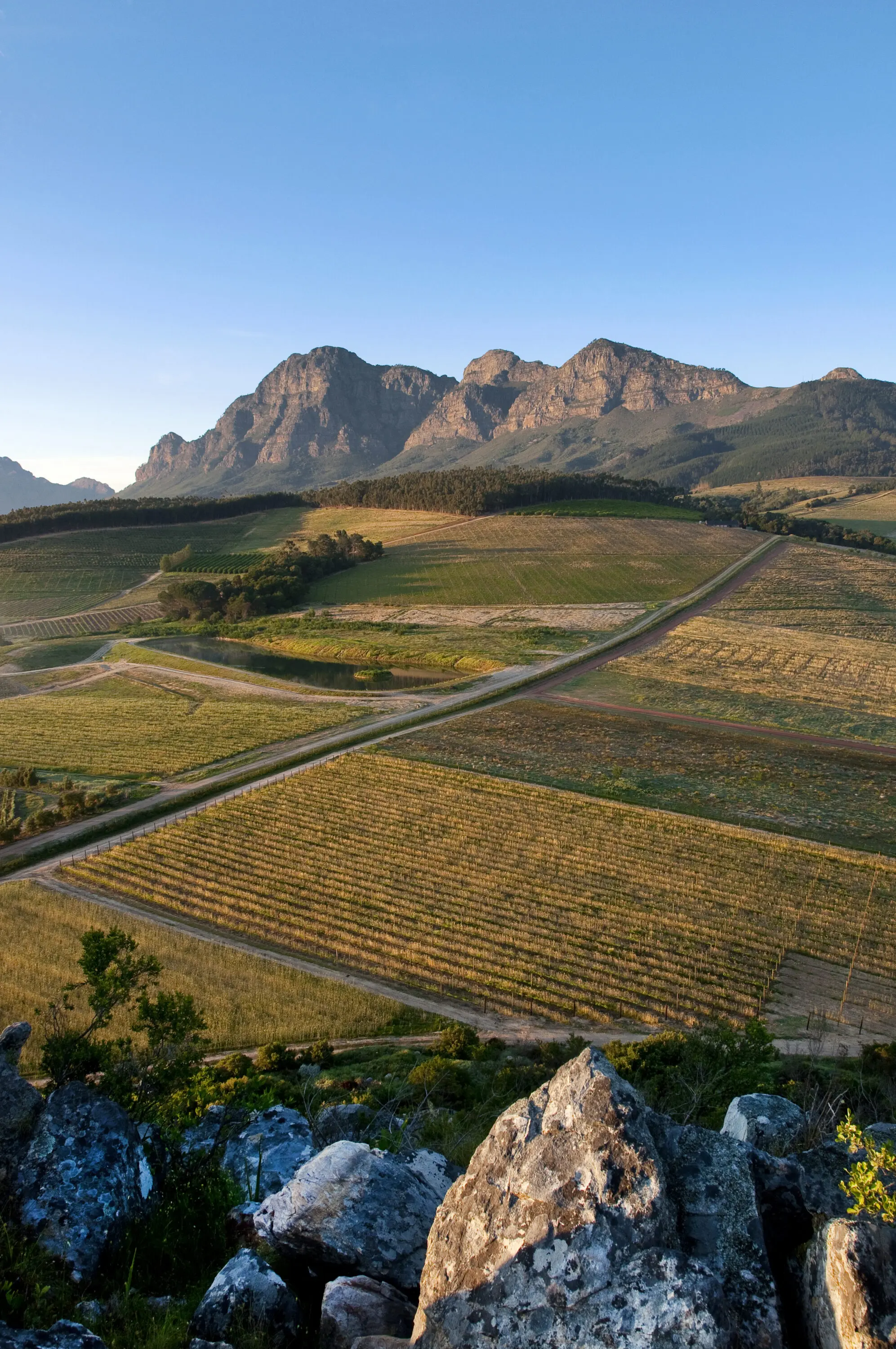
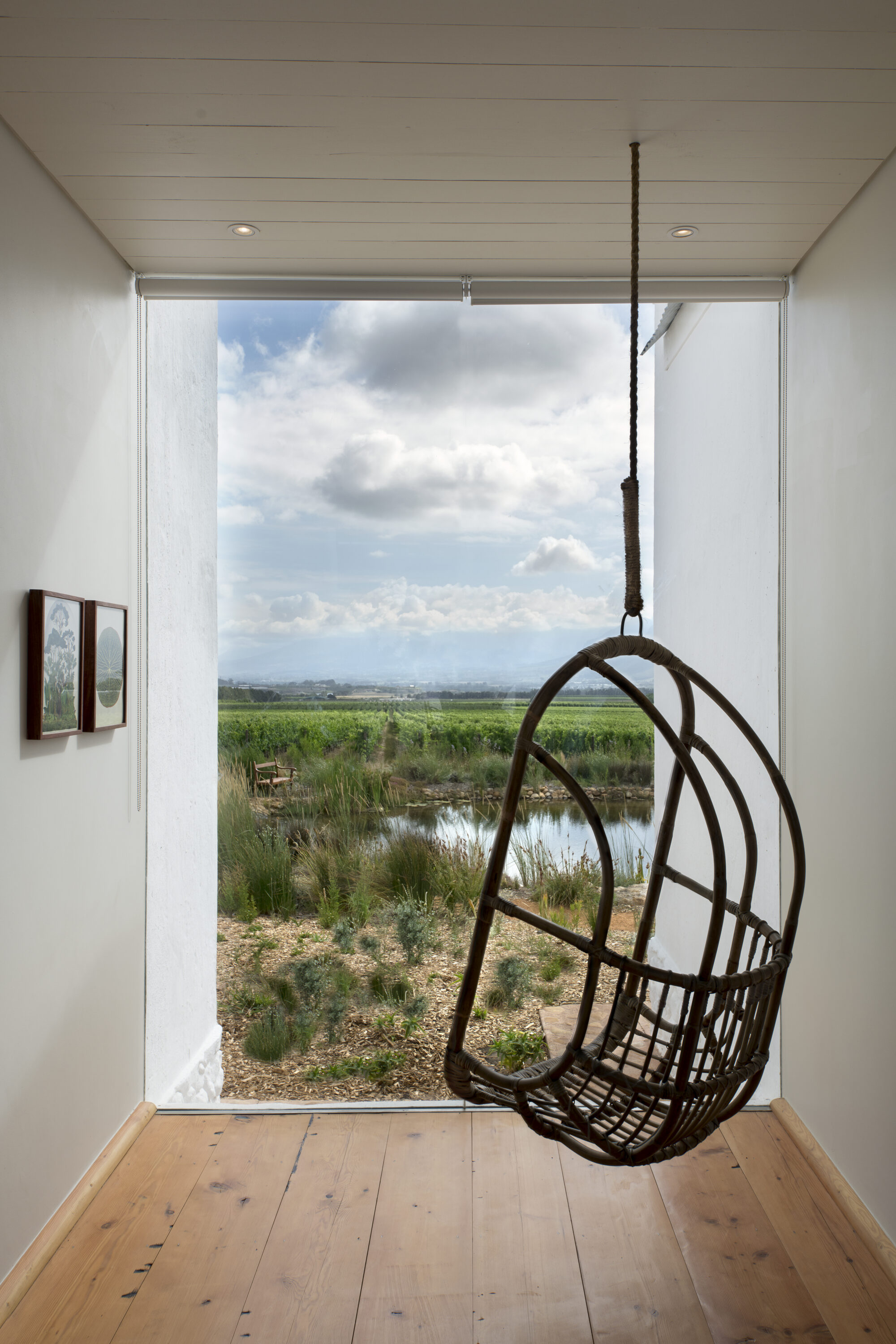
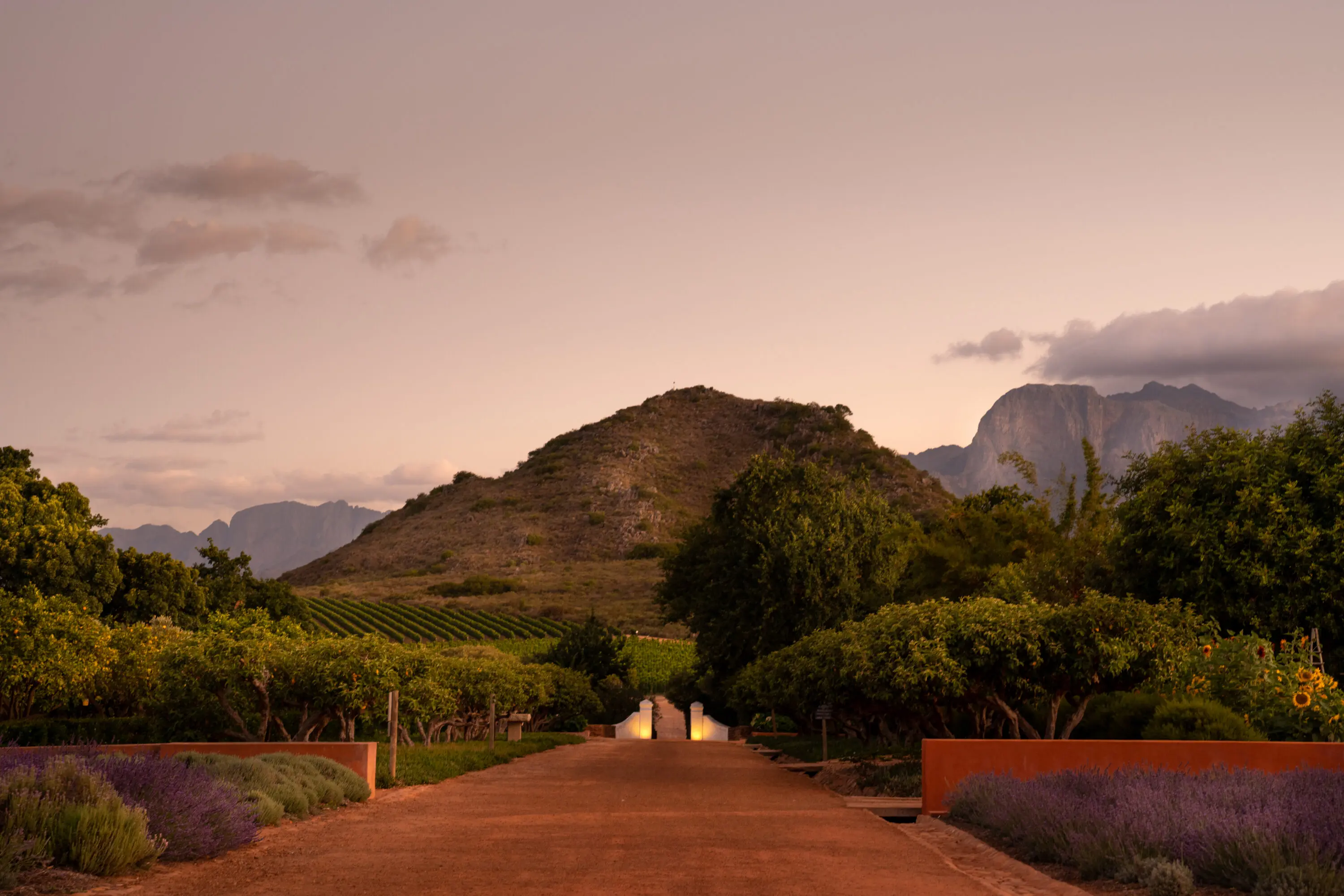
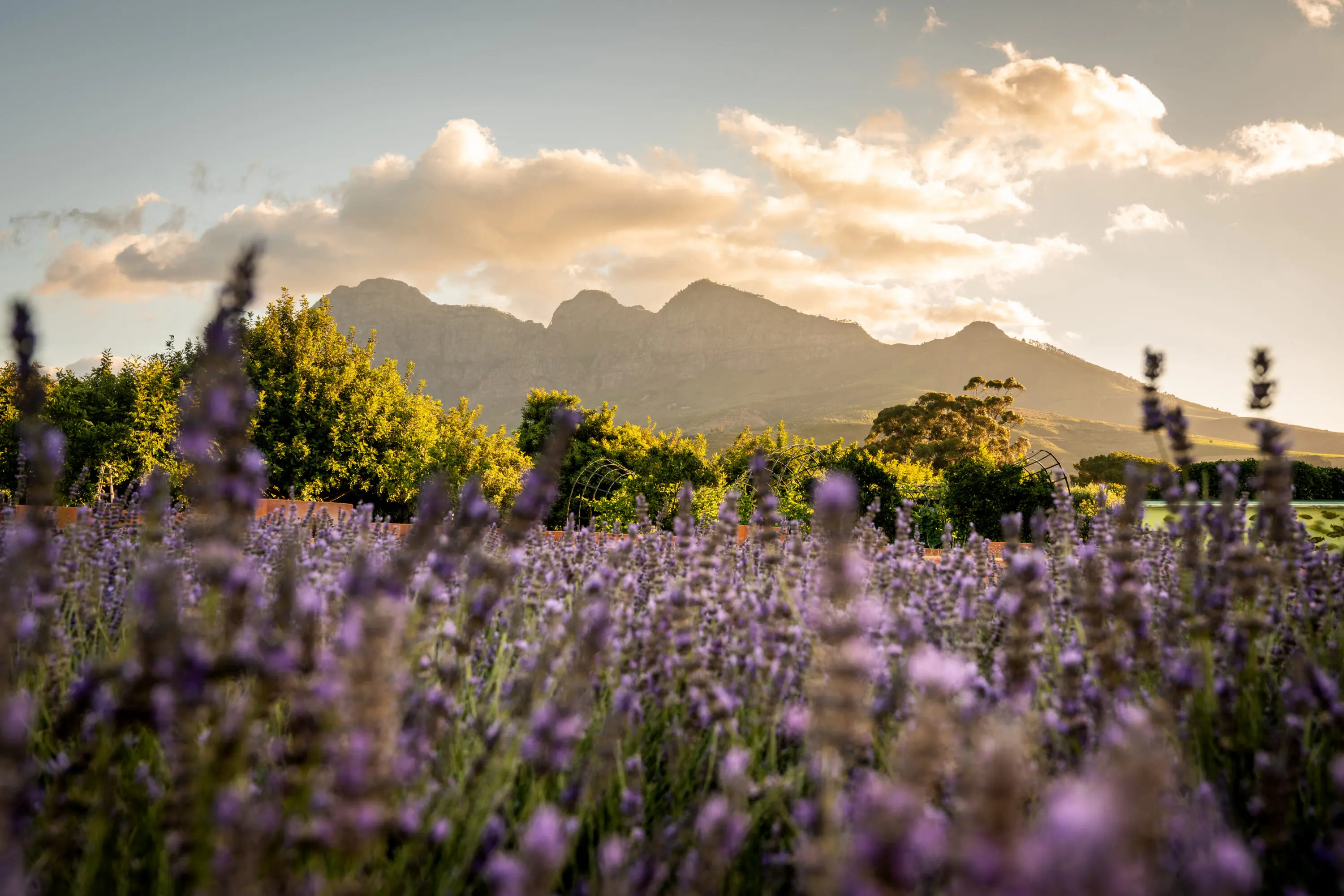
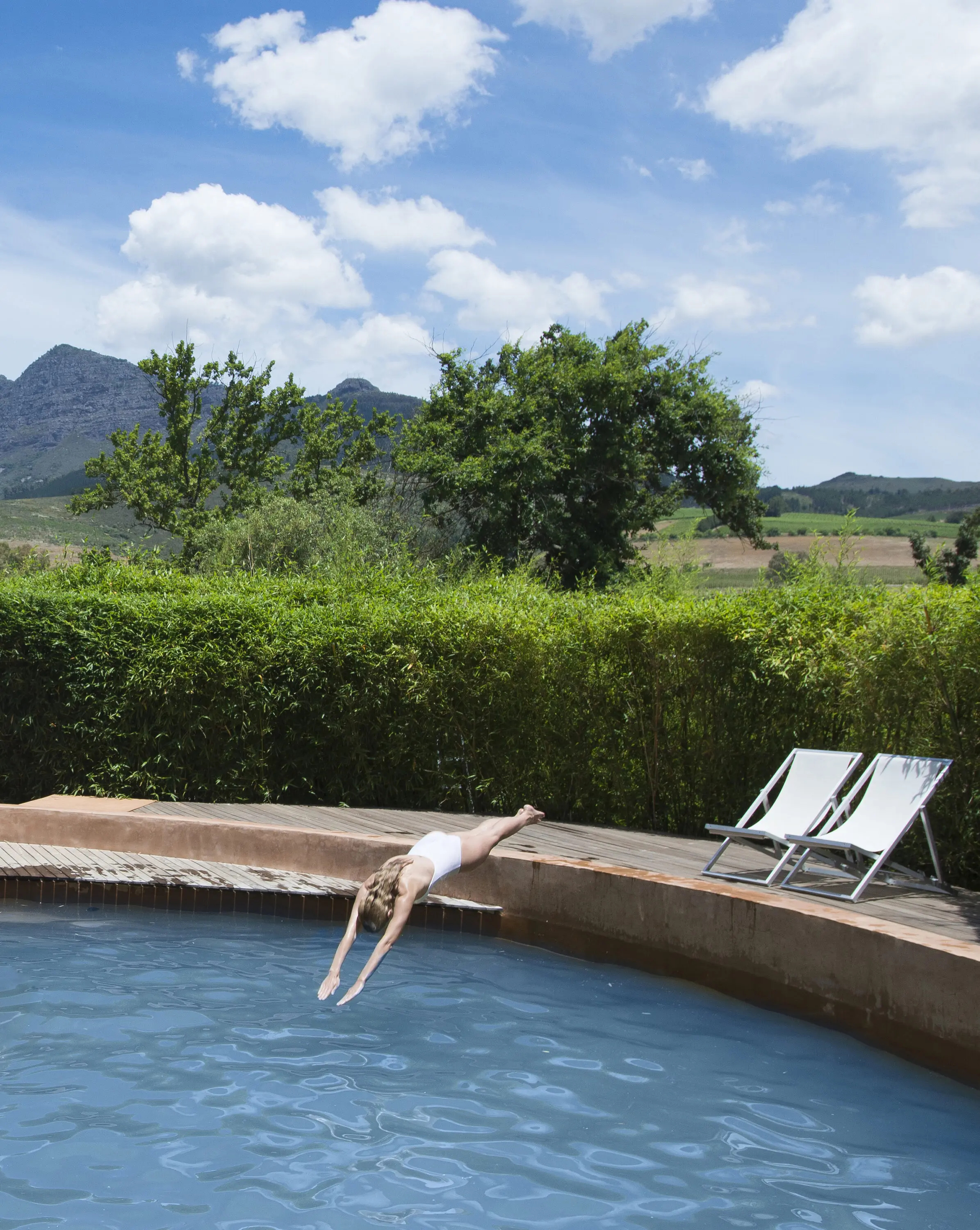
Babylonstoren sits in the Drakenstein Valley between Franschhoek and Paarl, beneath the Simonsberg mountains.

This is the heart of the Cape Winelands: a landscape of vineyards, fruit farms, mountain passes and historic Cape towns, with Stellenbosch, Paarl and Franschhoek all within easy reach The setting matters because Babylonstoren remains part of this wider agricultural landscape rather than functioning as an isolated resort.

Key details

Address

Klapmuts–Simondium Road
Simondium
7670
South Africa

Getting here

By plane: Cape Town International Airport is the closest major airport, roughly 45–60 minutes away by car.
By car: Babylonstoren is easily reached from Cape Town, Stellenbosch, Paarl and Franschhoek.

Facilities

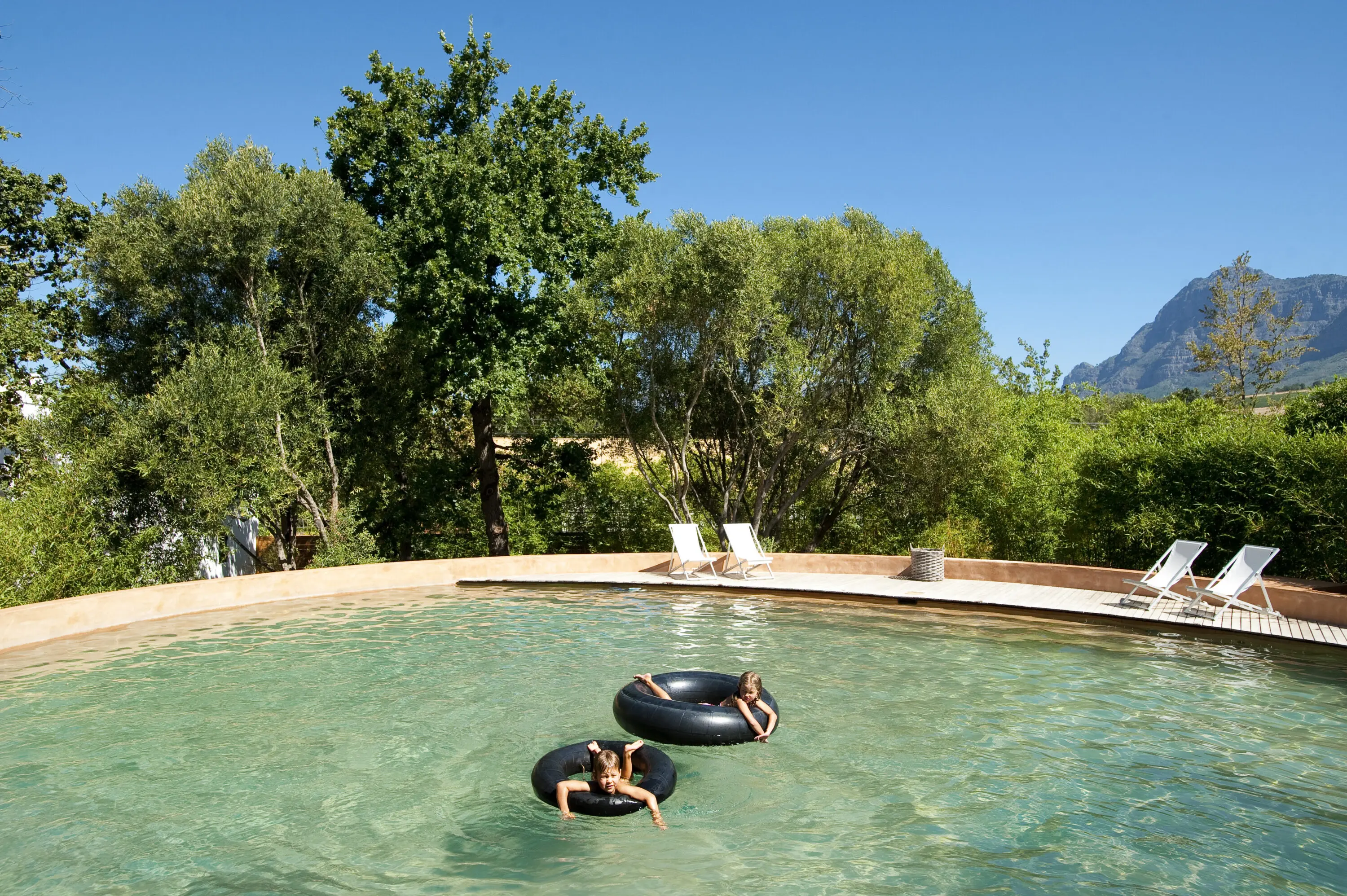
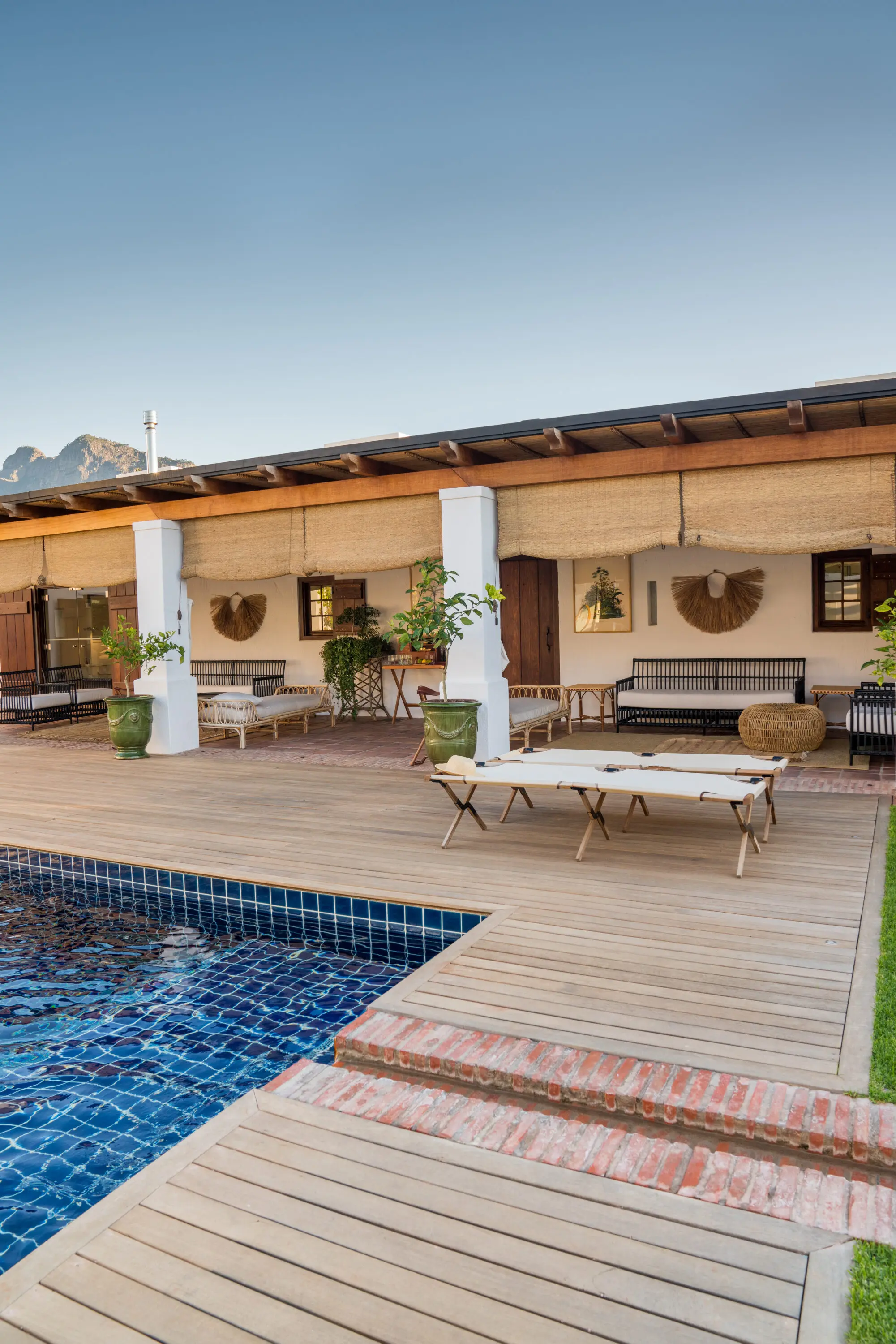
Swimming pools
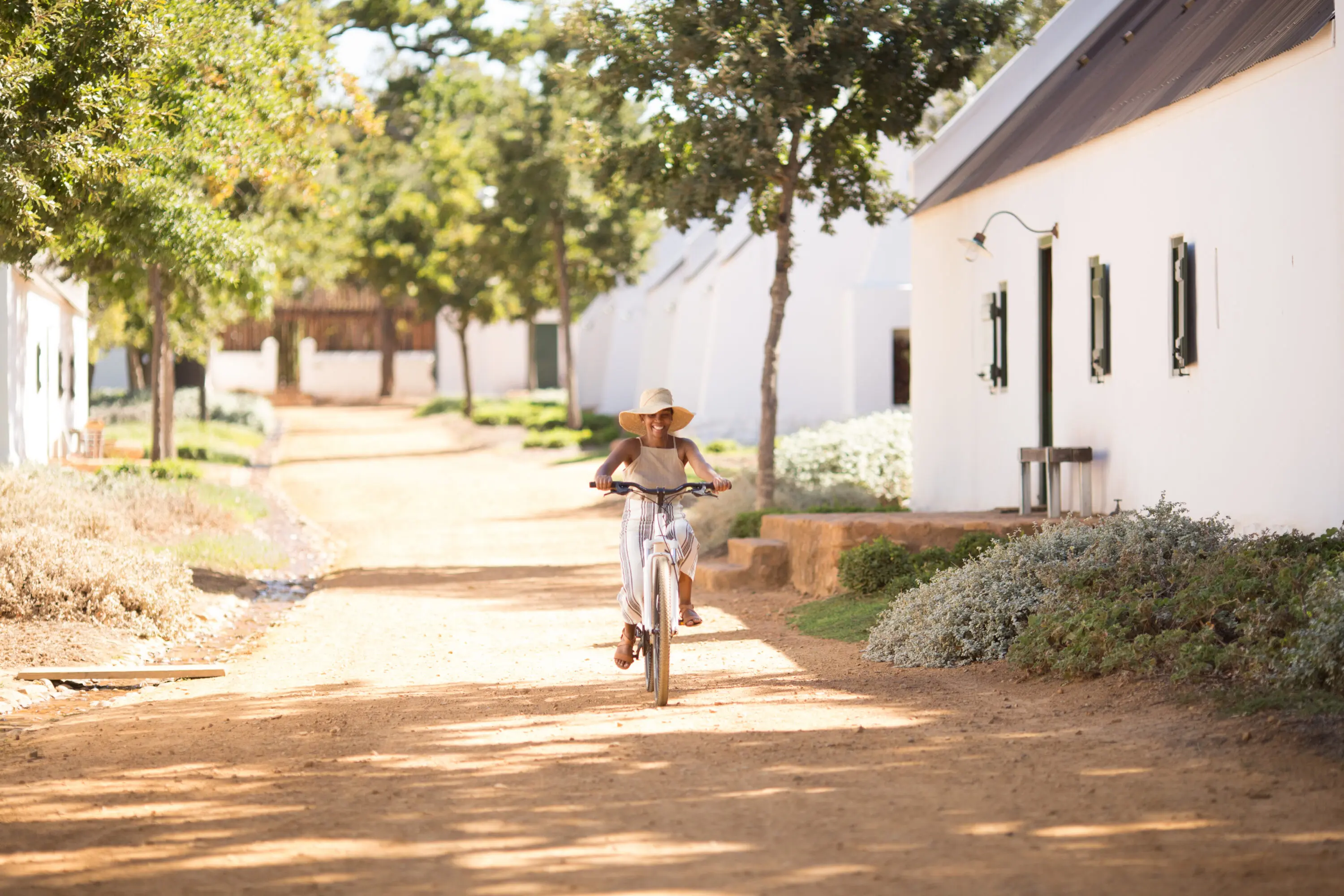
Cycling & walking trails
Cellar tours & wine tastings
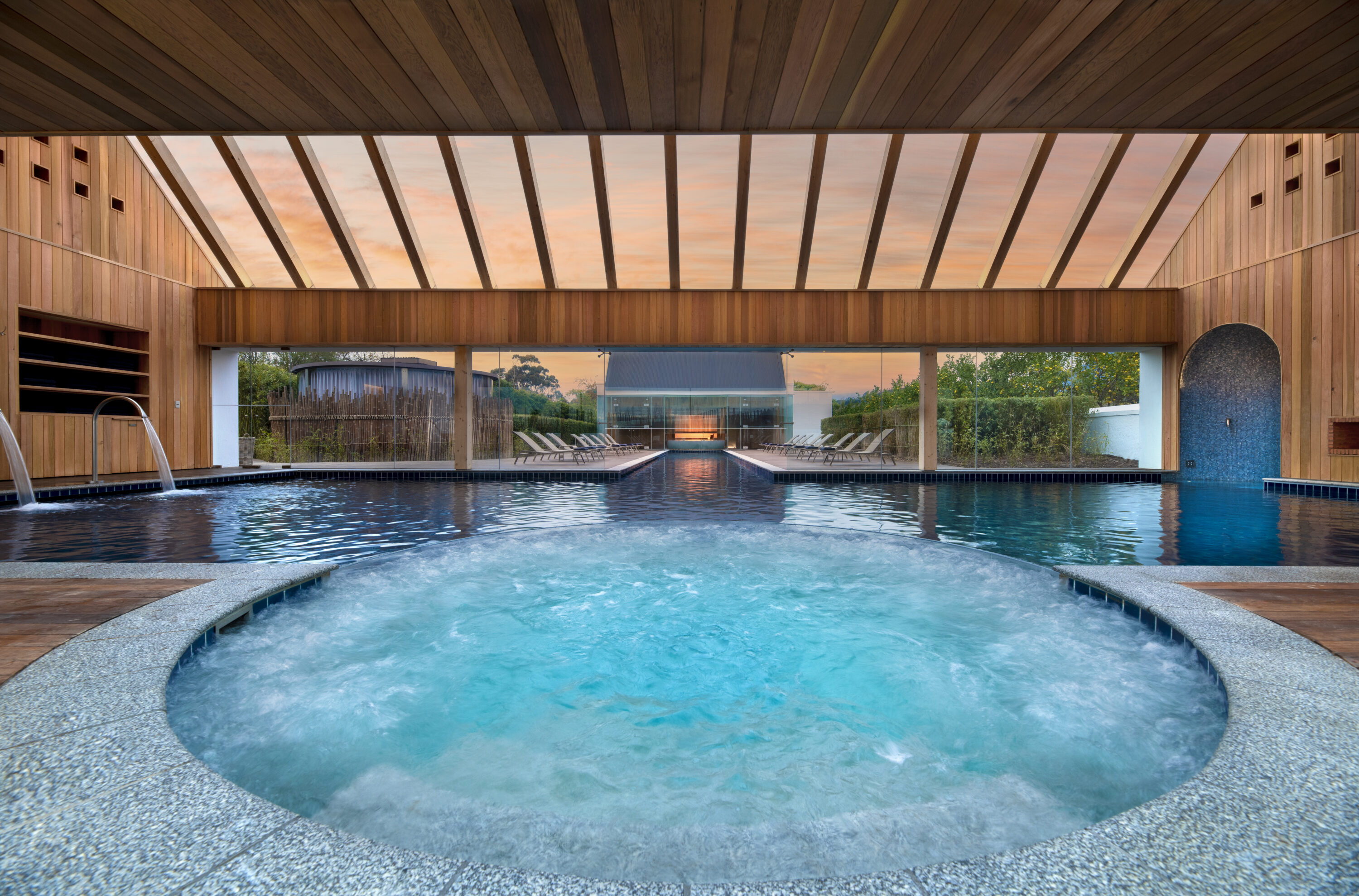
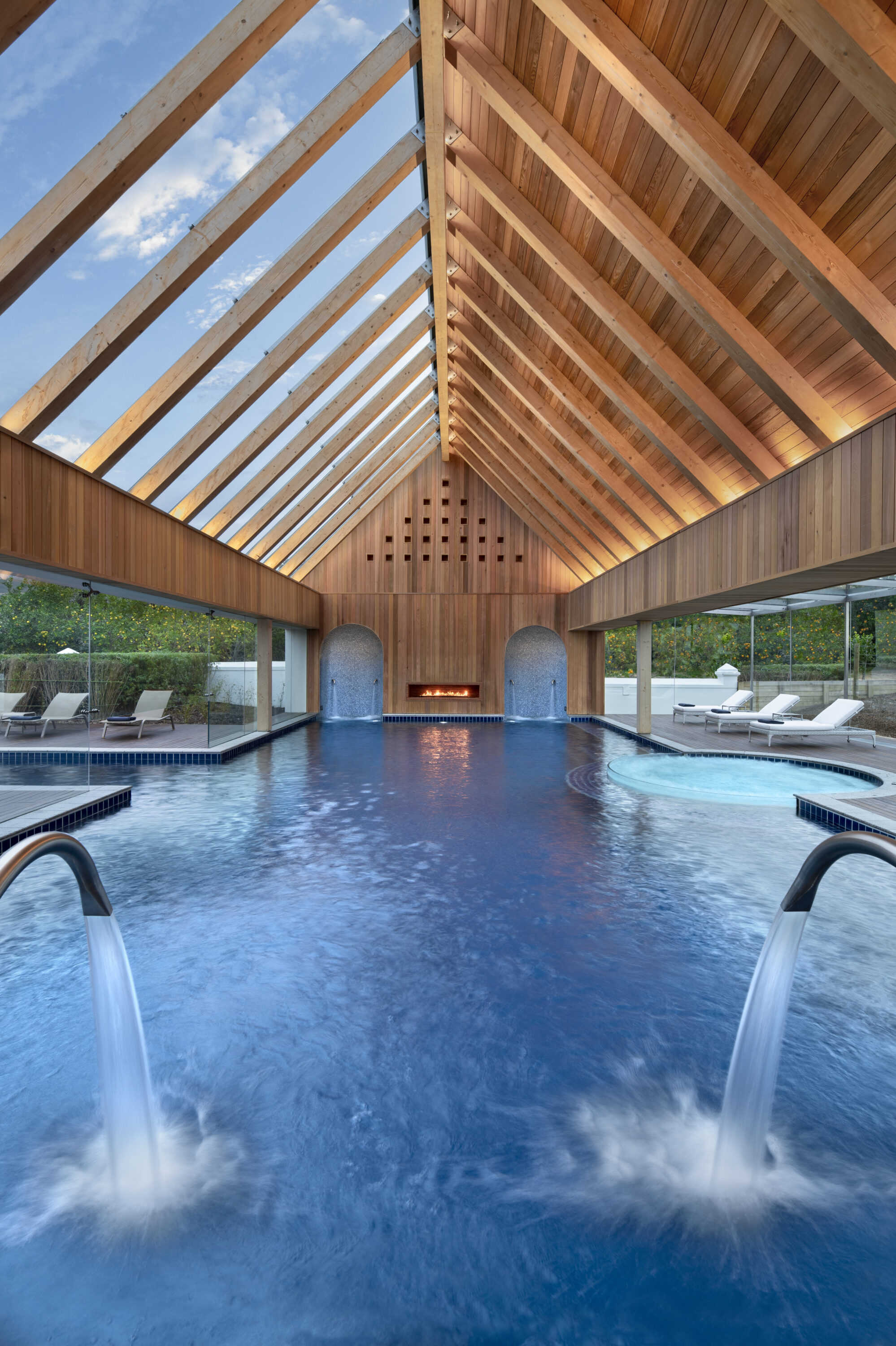
Garden Spa
Vineyards & winery
Extensive edible garden
Greenhouse restaurant
Farm shops

More

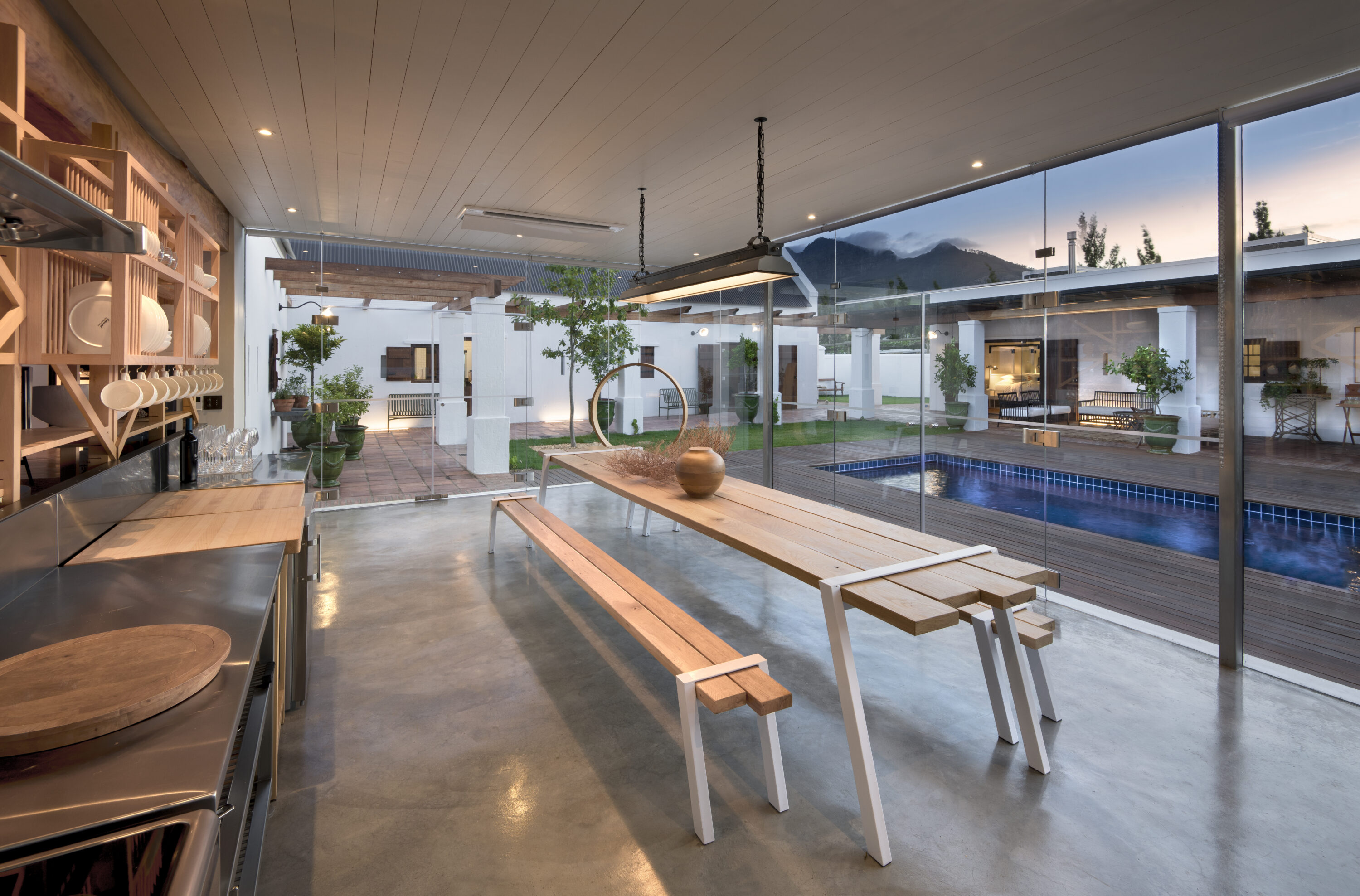
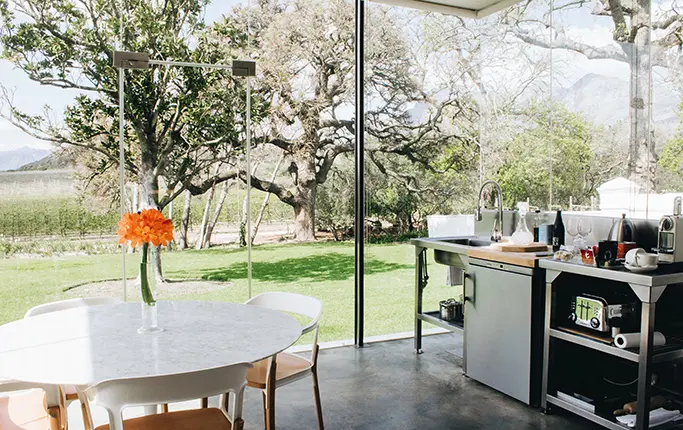
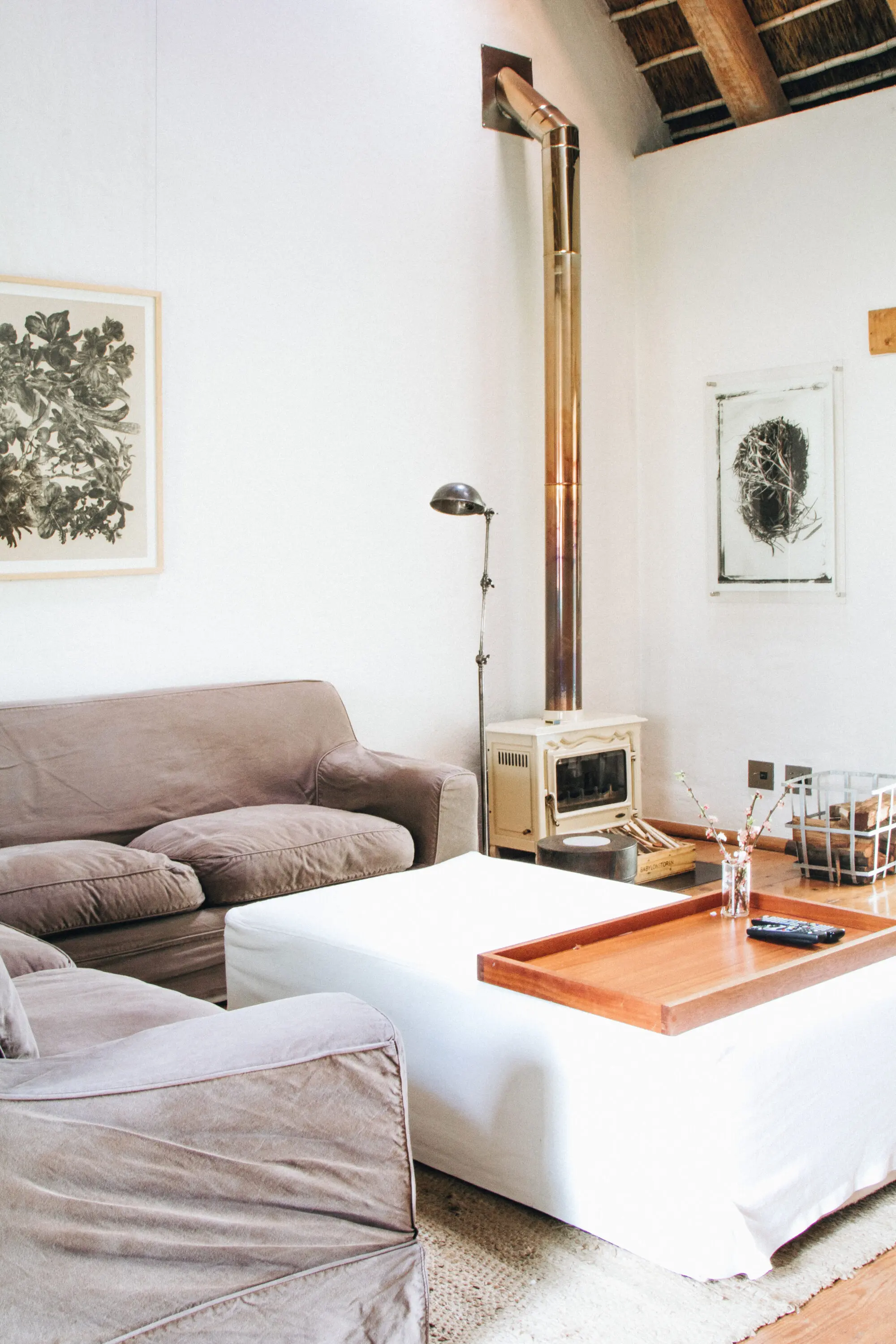
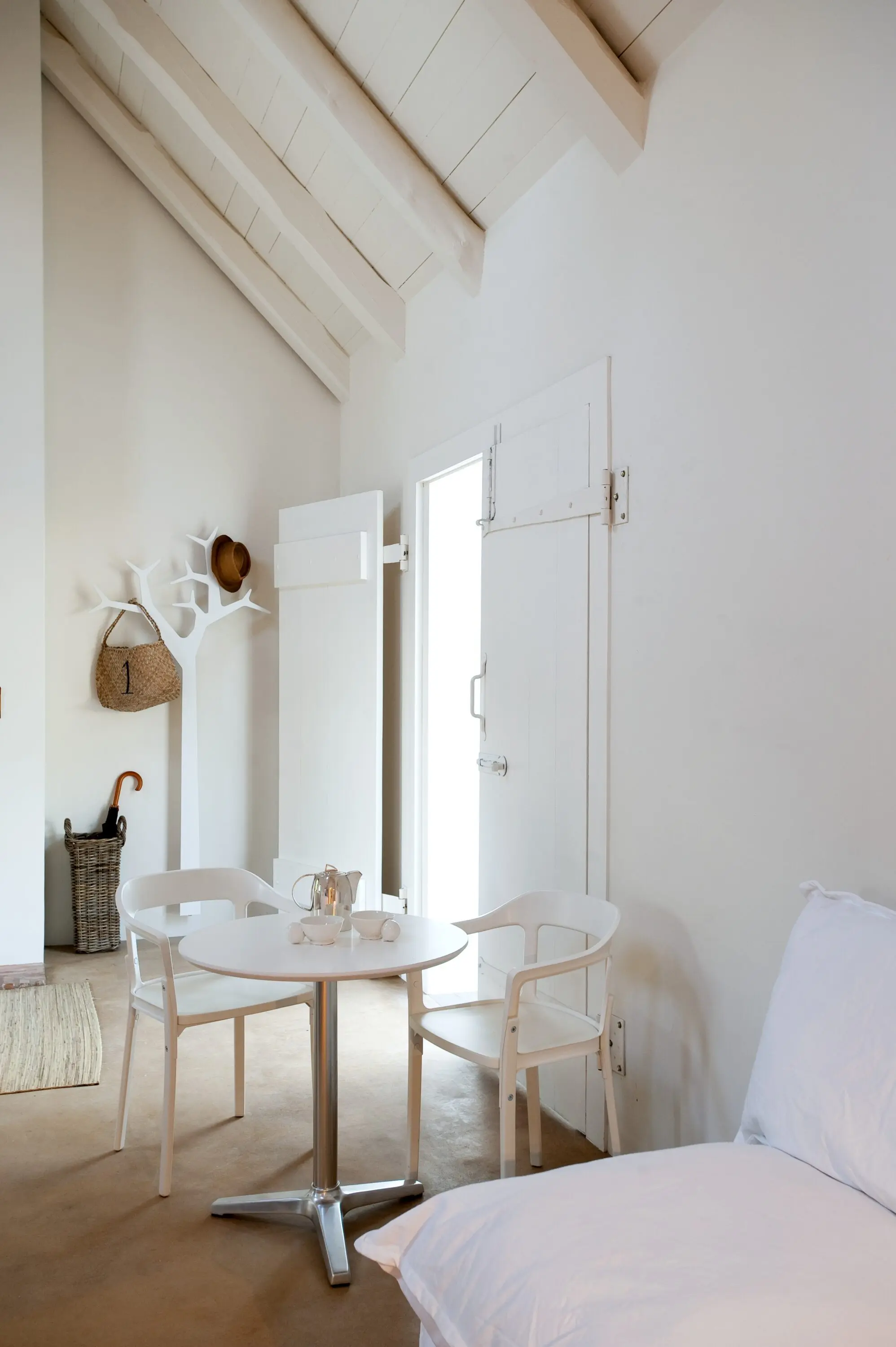
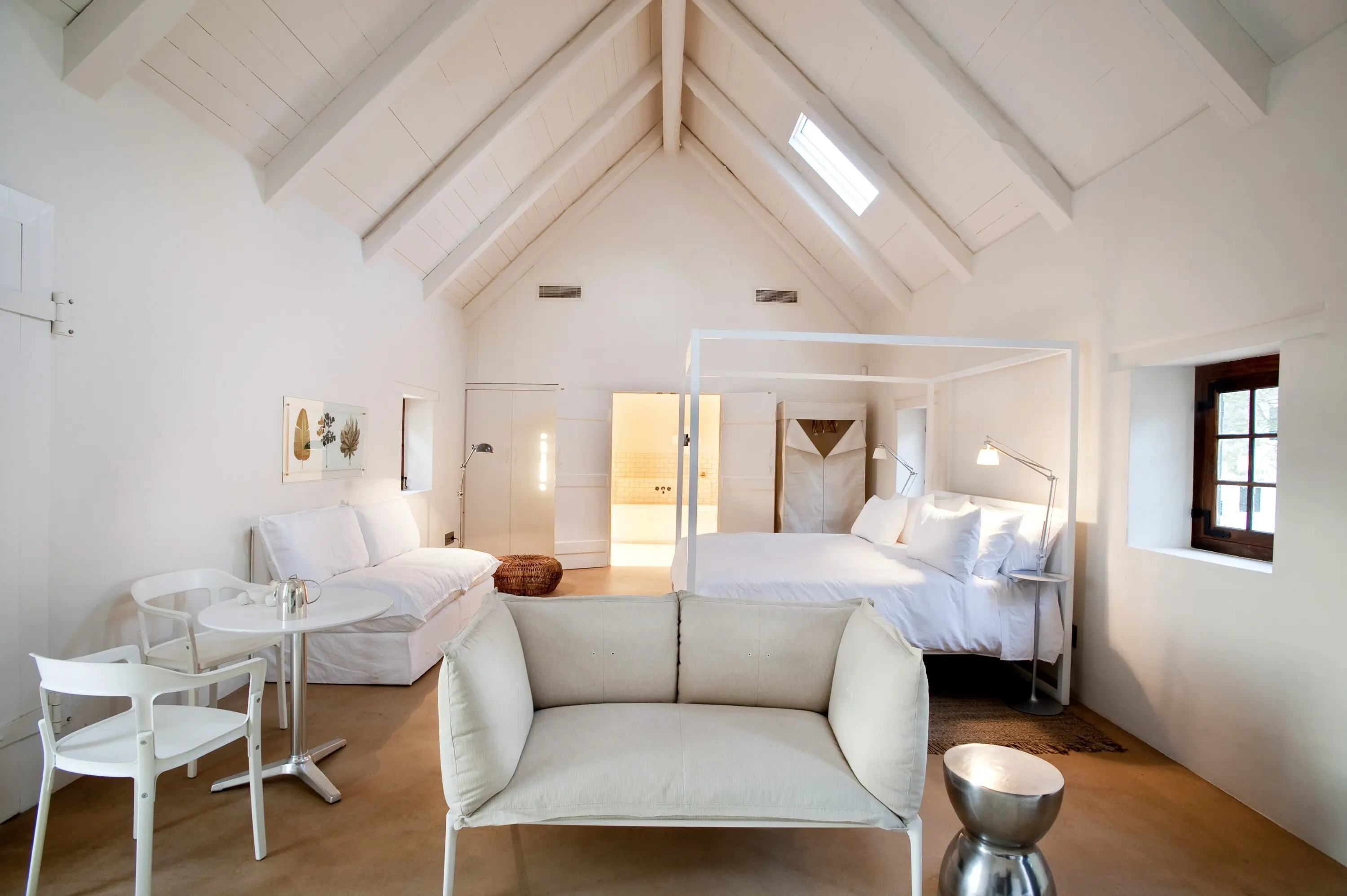
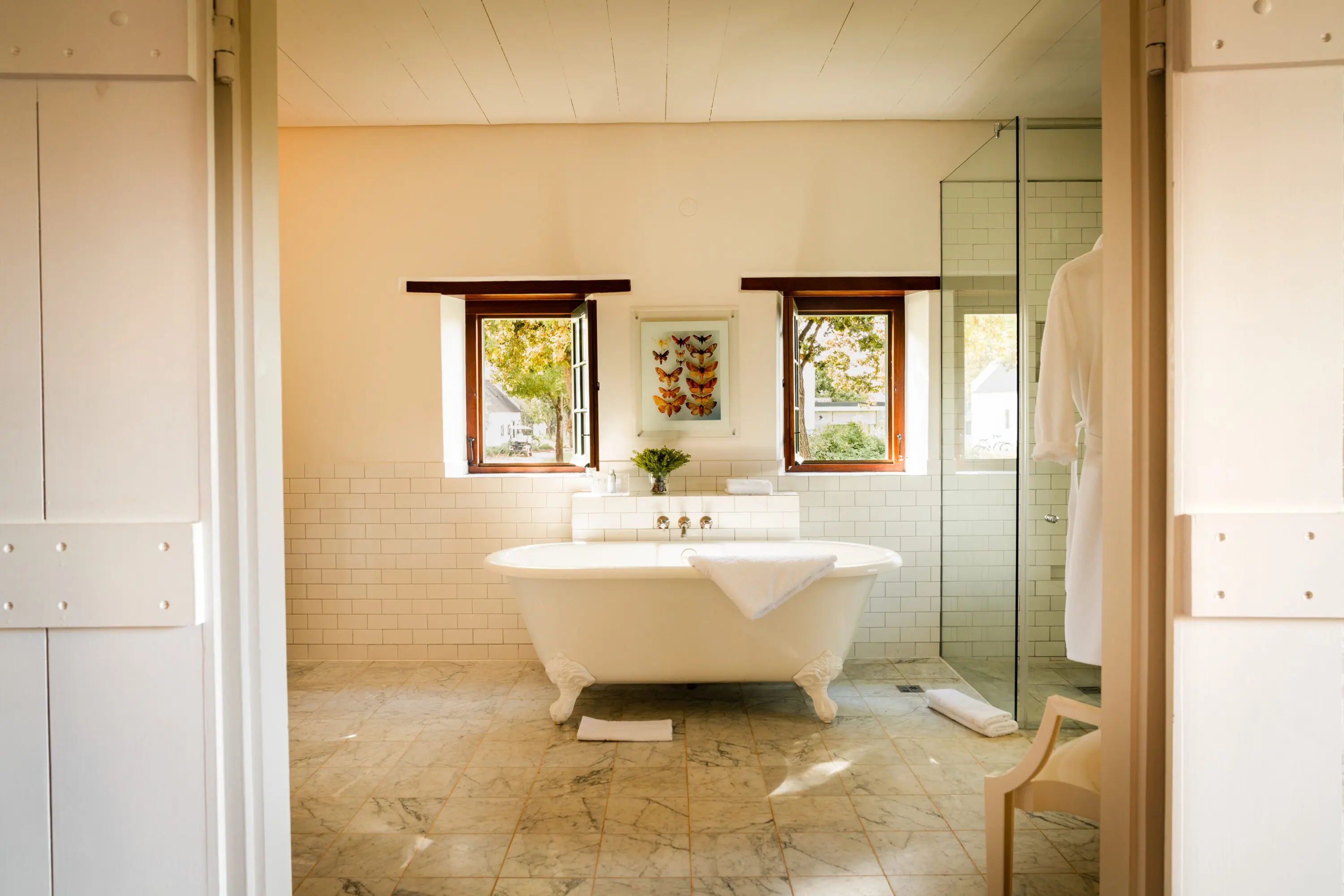
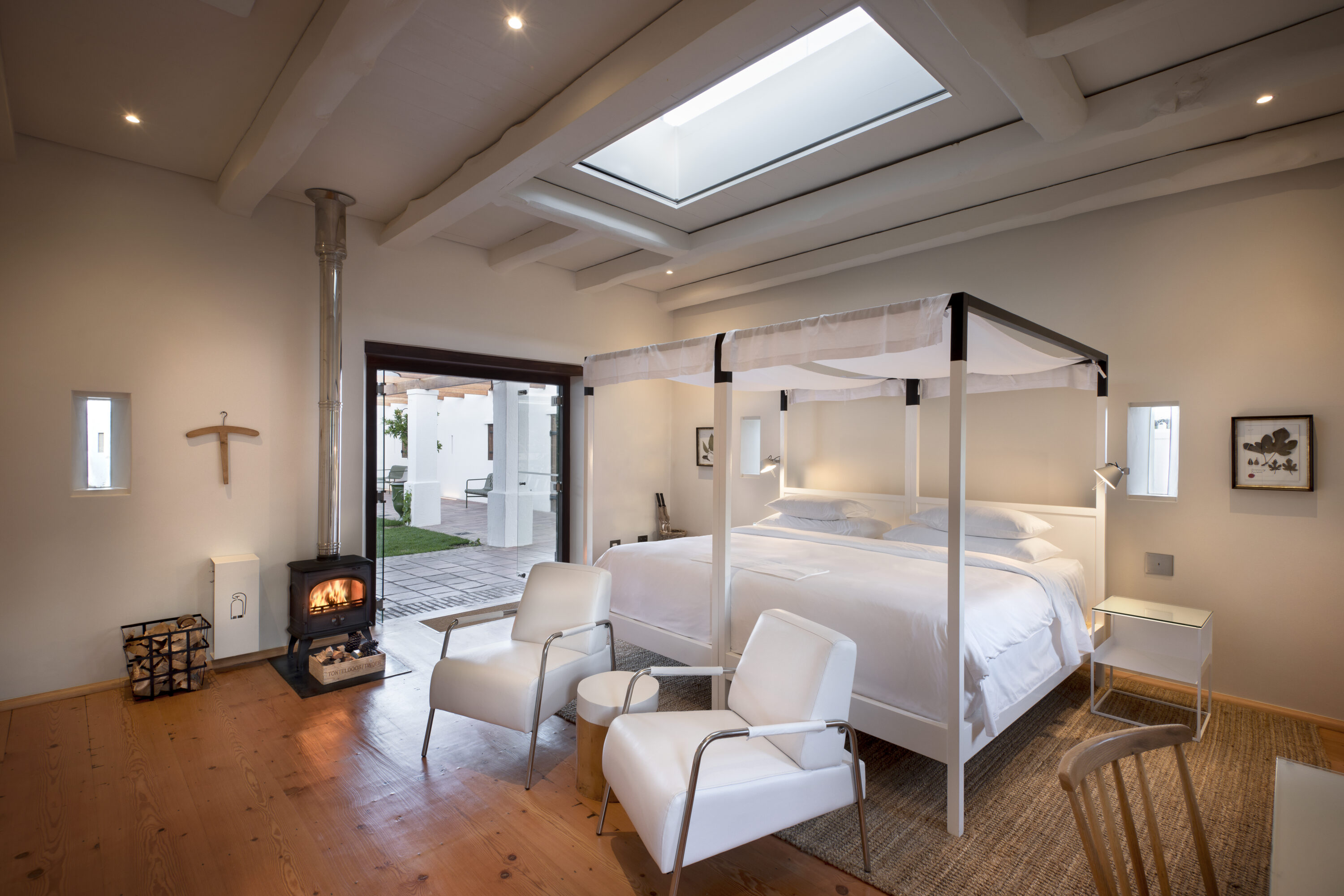
Historic farm accommodation & suites
Seasonal workshops

Words from Karen Roos, Owner, Babylonstoren

“There was no commercial goal or motivation. It came from the garden.”

Every stay booked direct keeps value with the people of this place, so they can reinvest in culture, community and land

We believe travel should give back more than it takes; that it can protect cultures, not erode them.

That is why we connect you directly with each hotel’s own website. By booking direct, value remains in the hands of those who shape these places, enabling reinvestment into local culture, community, and land.

Book Babylonstoren direct. Play a part in preserving the culture, community and landscape of this place.

Book Now

Babylonstoren

A Living Cape Farm, Rooted in the Land
Every stay booked direct keeps more value in the hands of the people who shape this place, so they can reinvest in local culture, community and land.