Join The Libra Guide Collection Our Story Contact
Book Castel Badia for Book Castel Badia
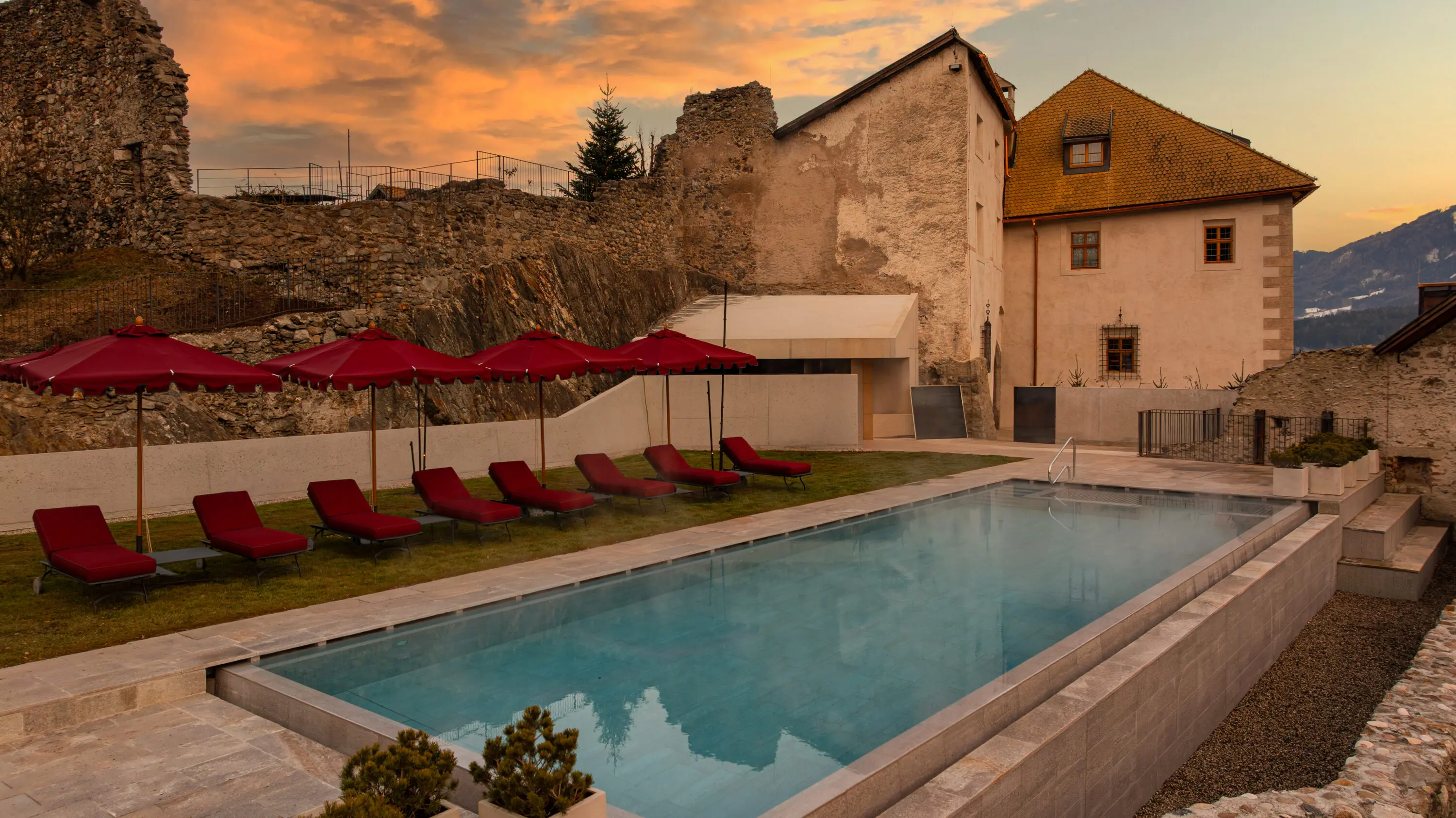
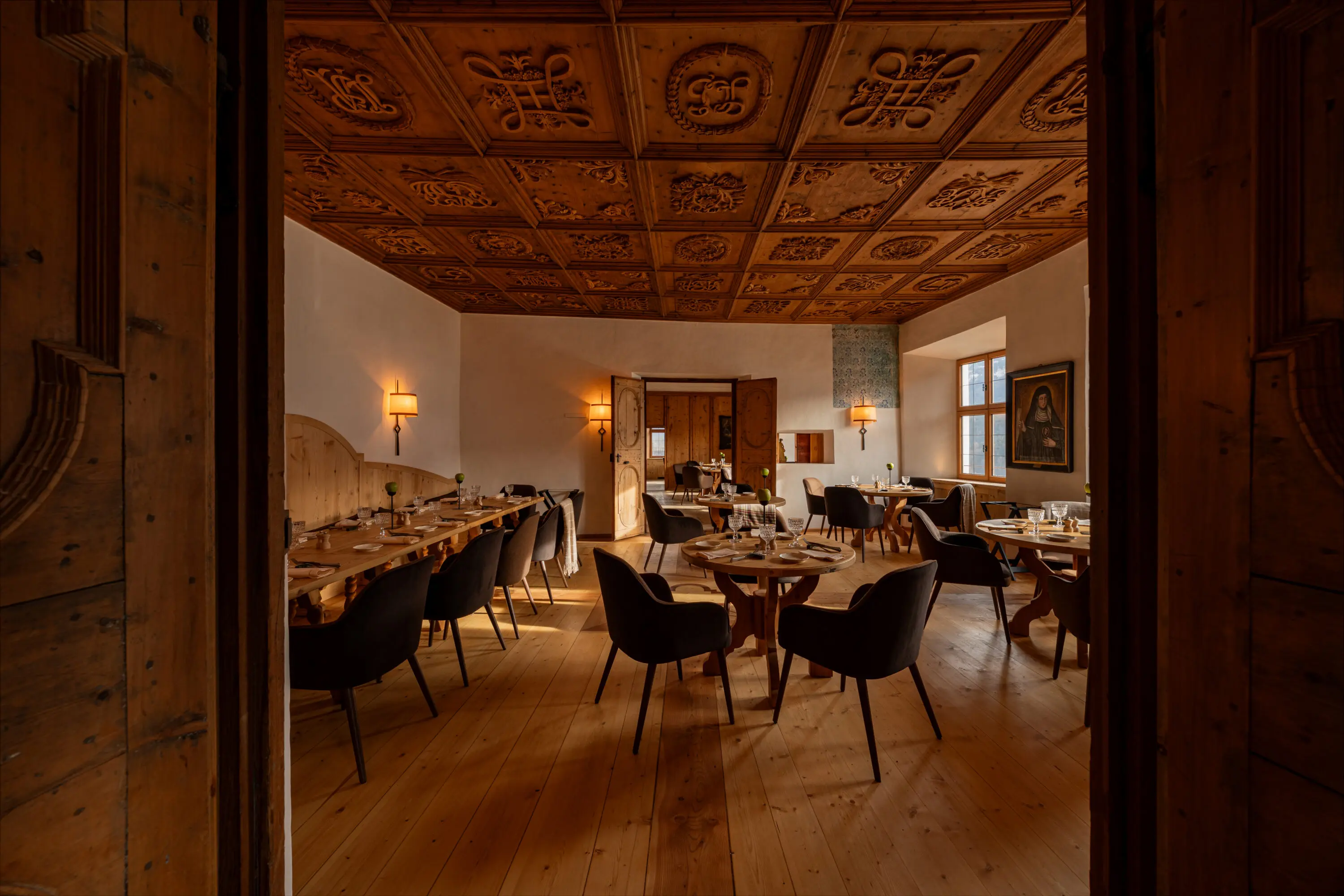
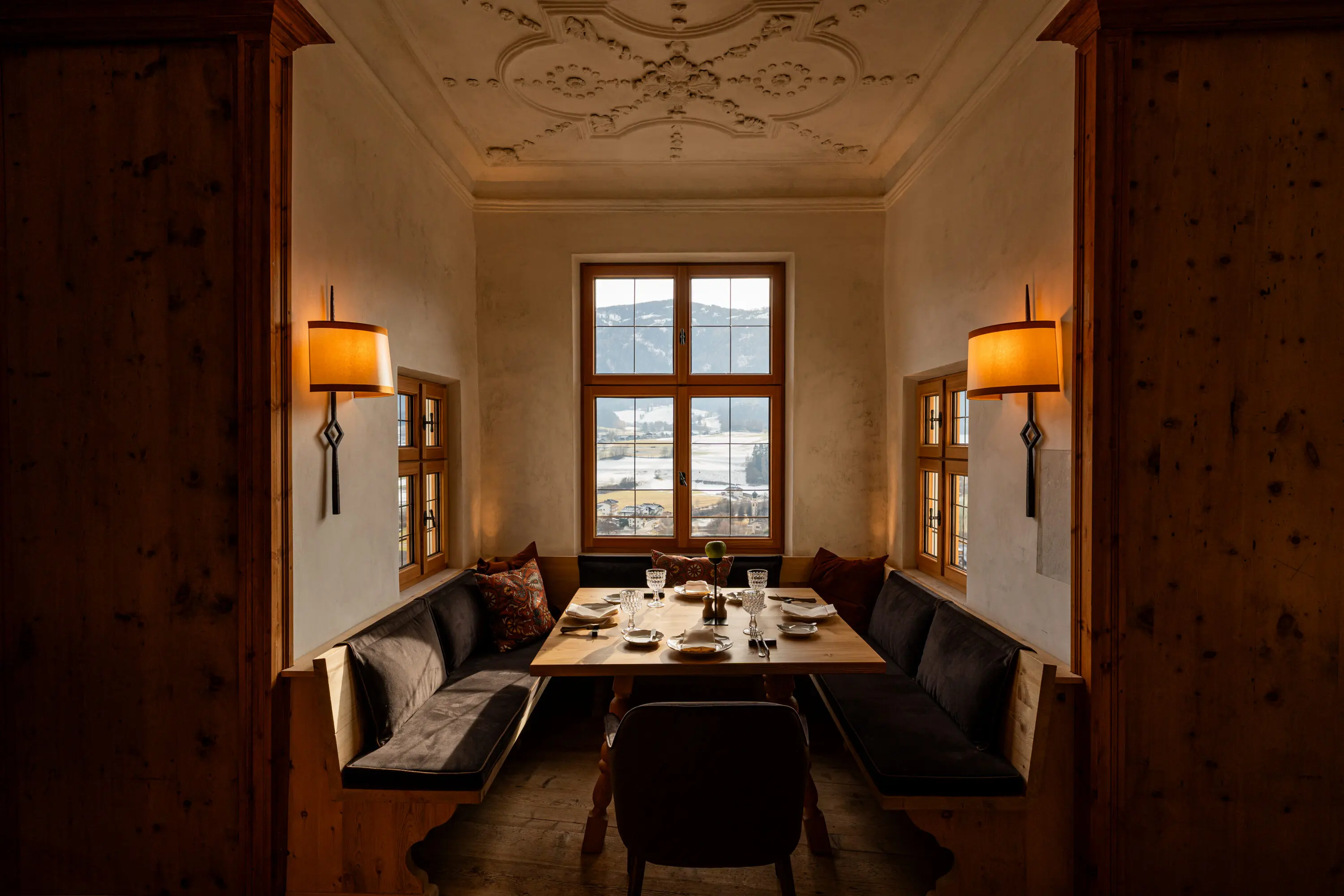
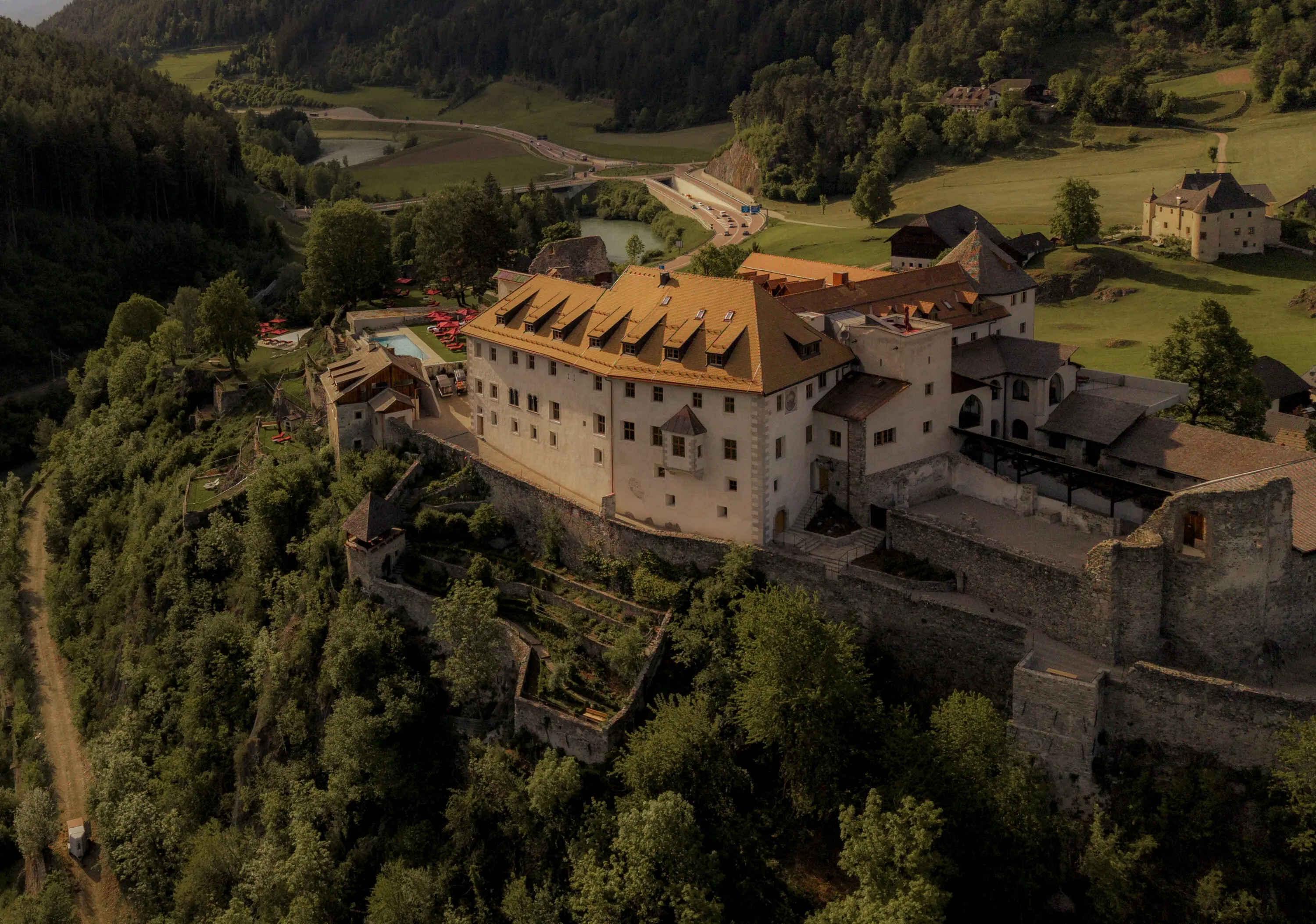
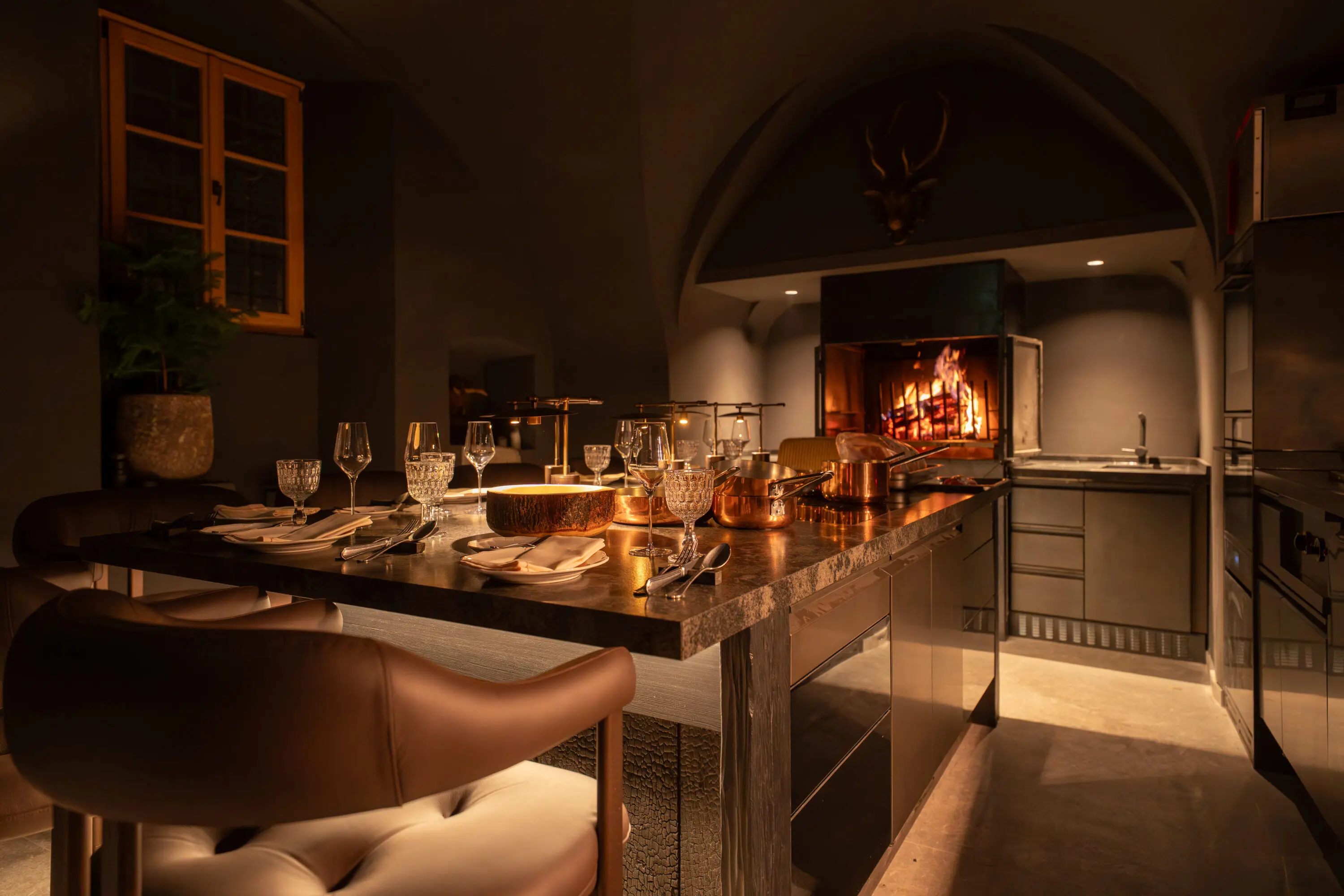
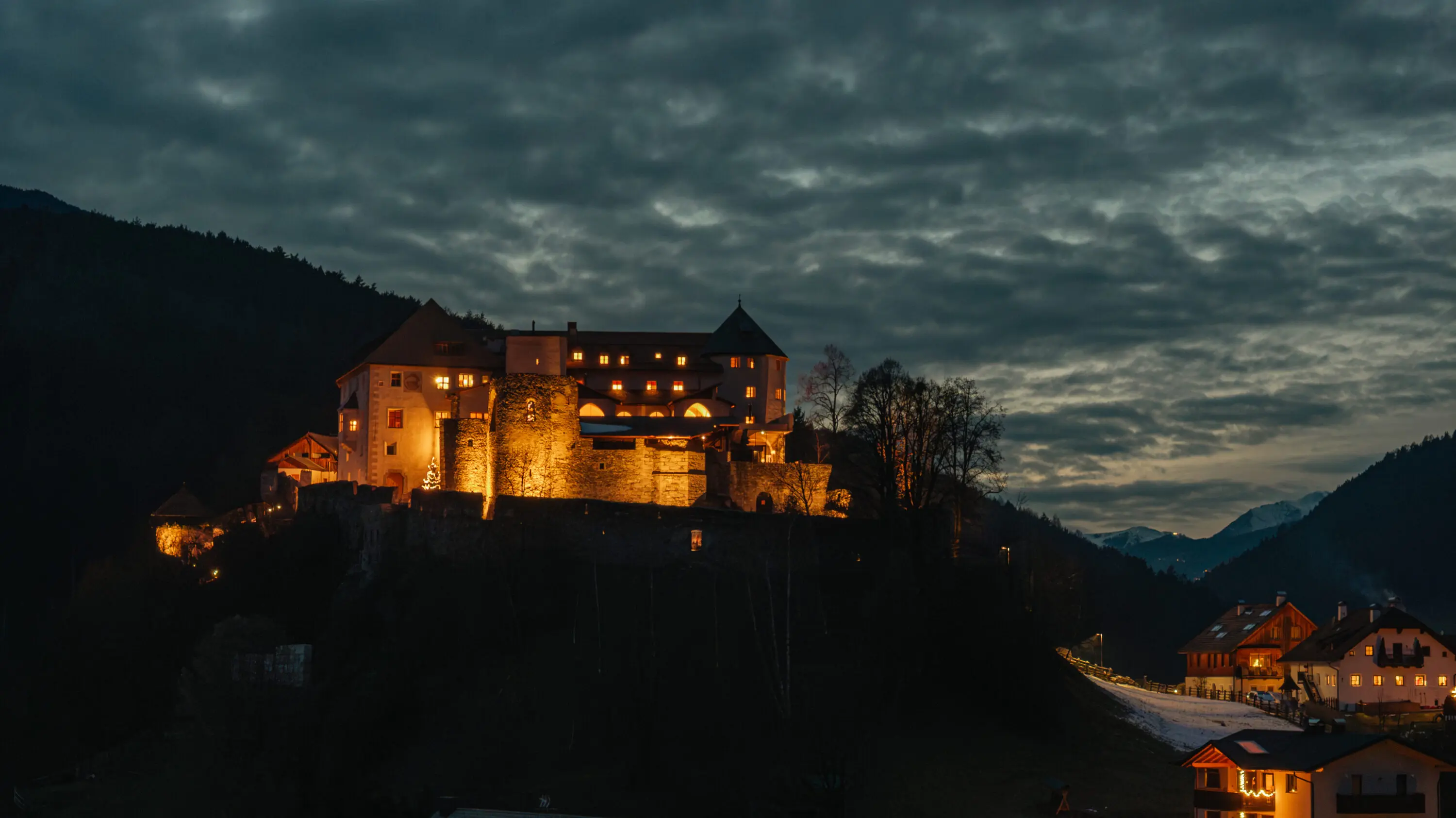
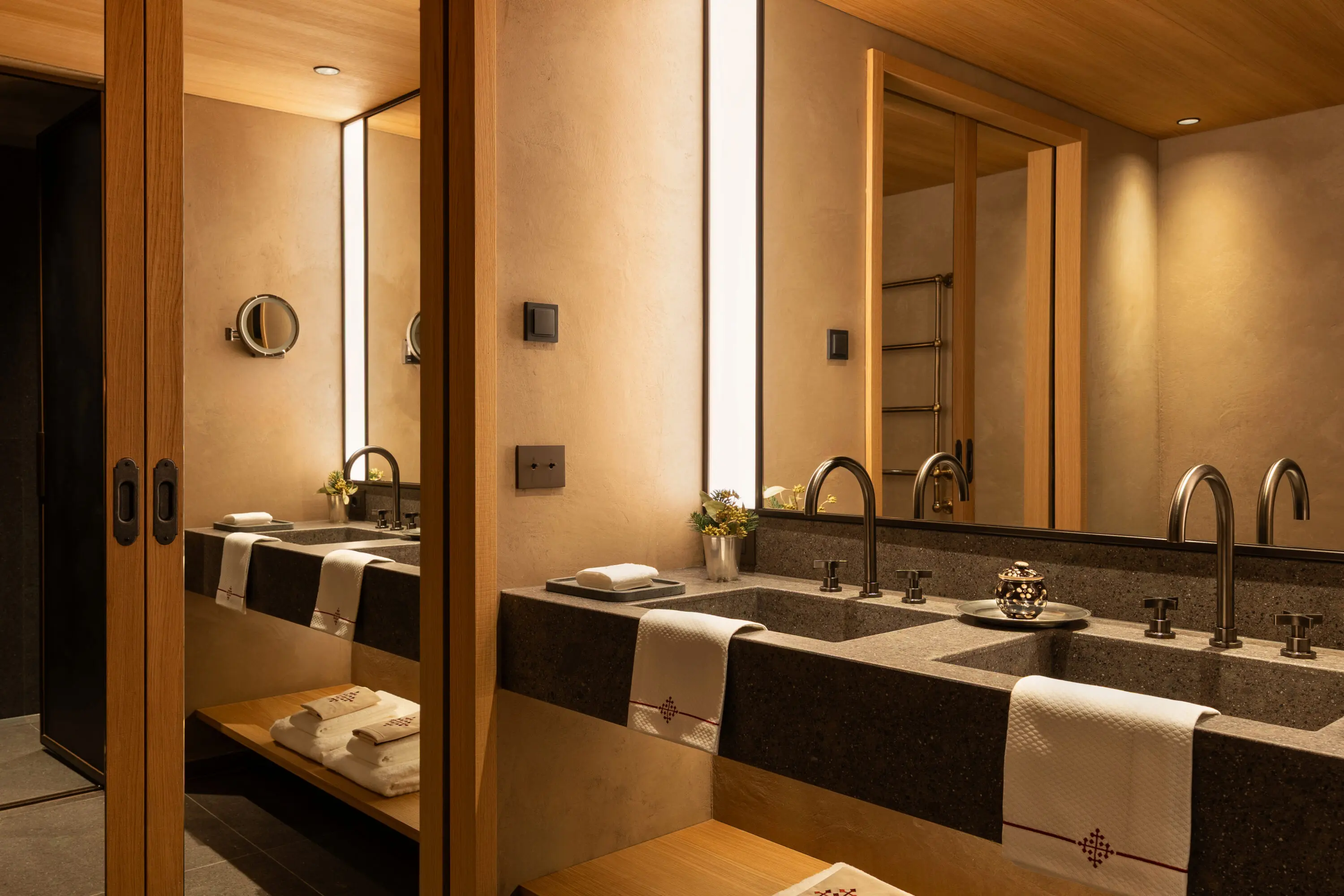
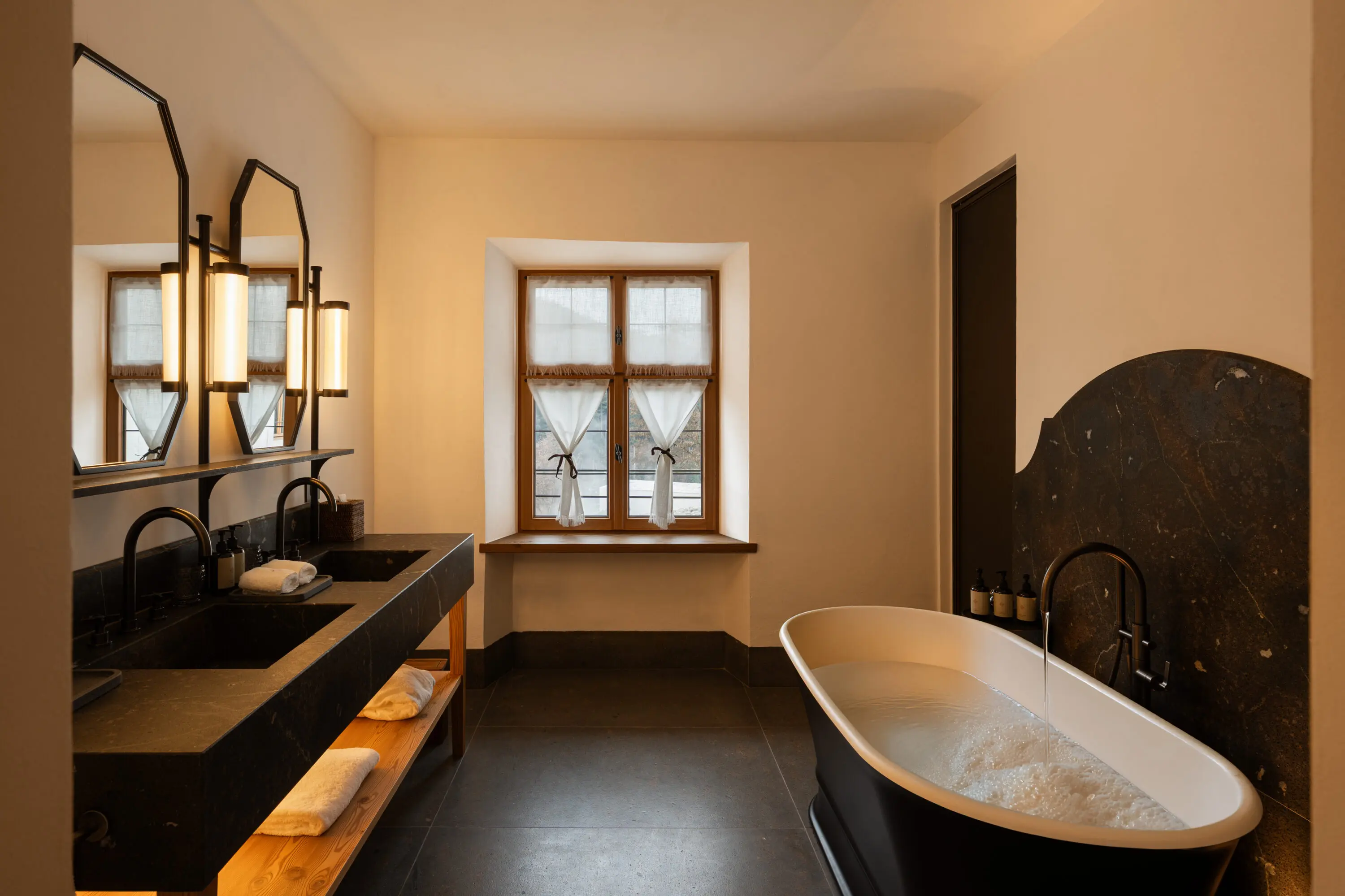
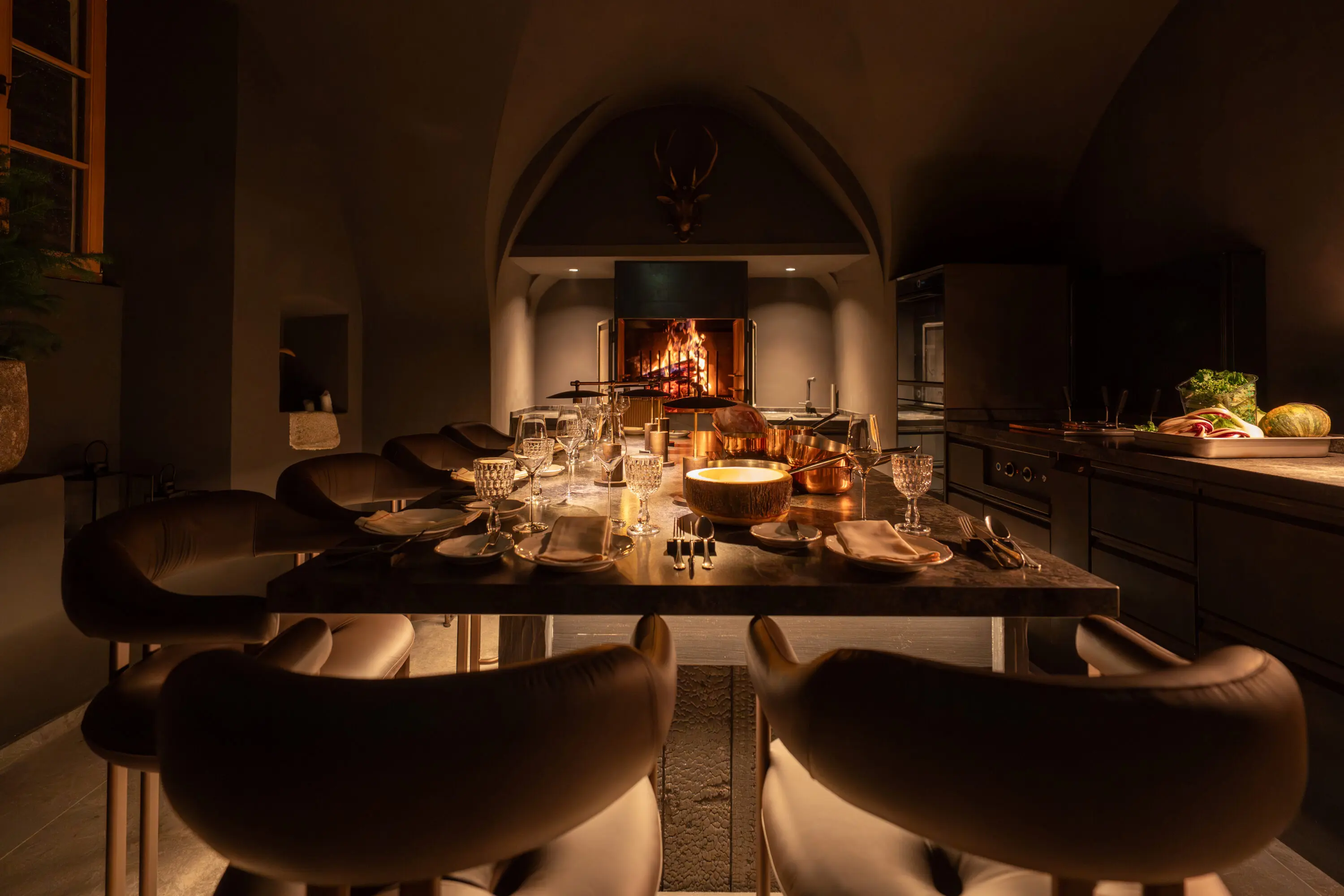
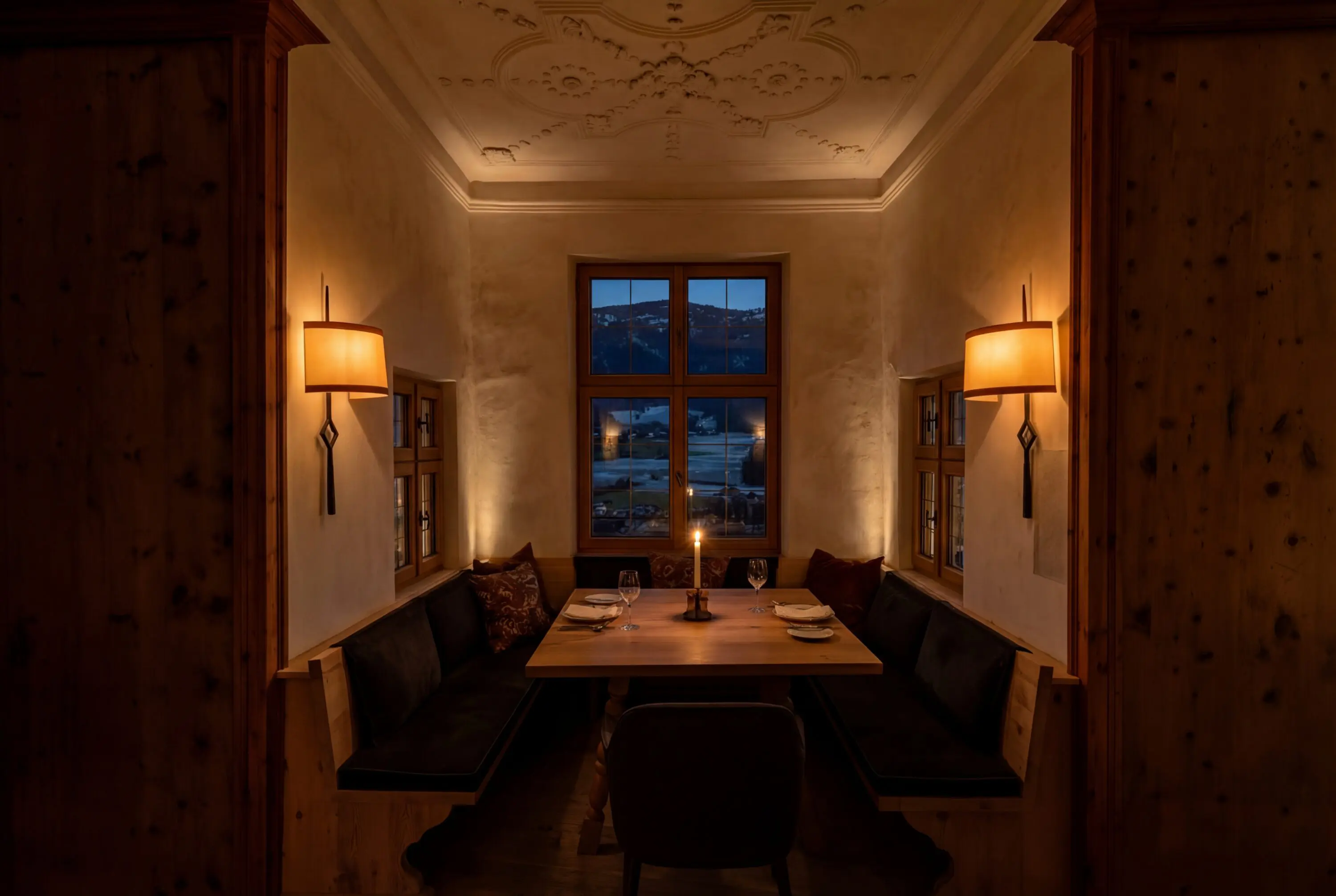
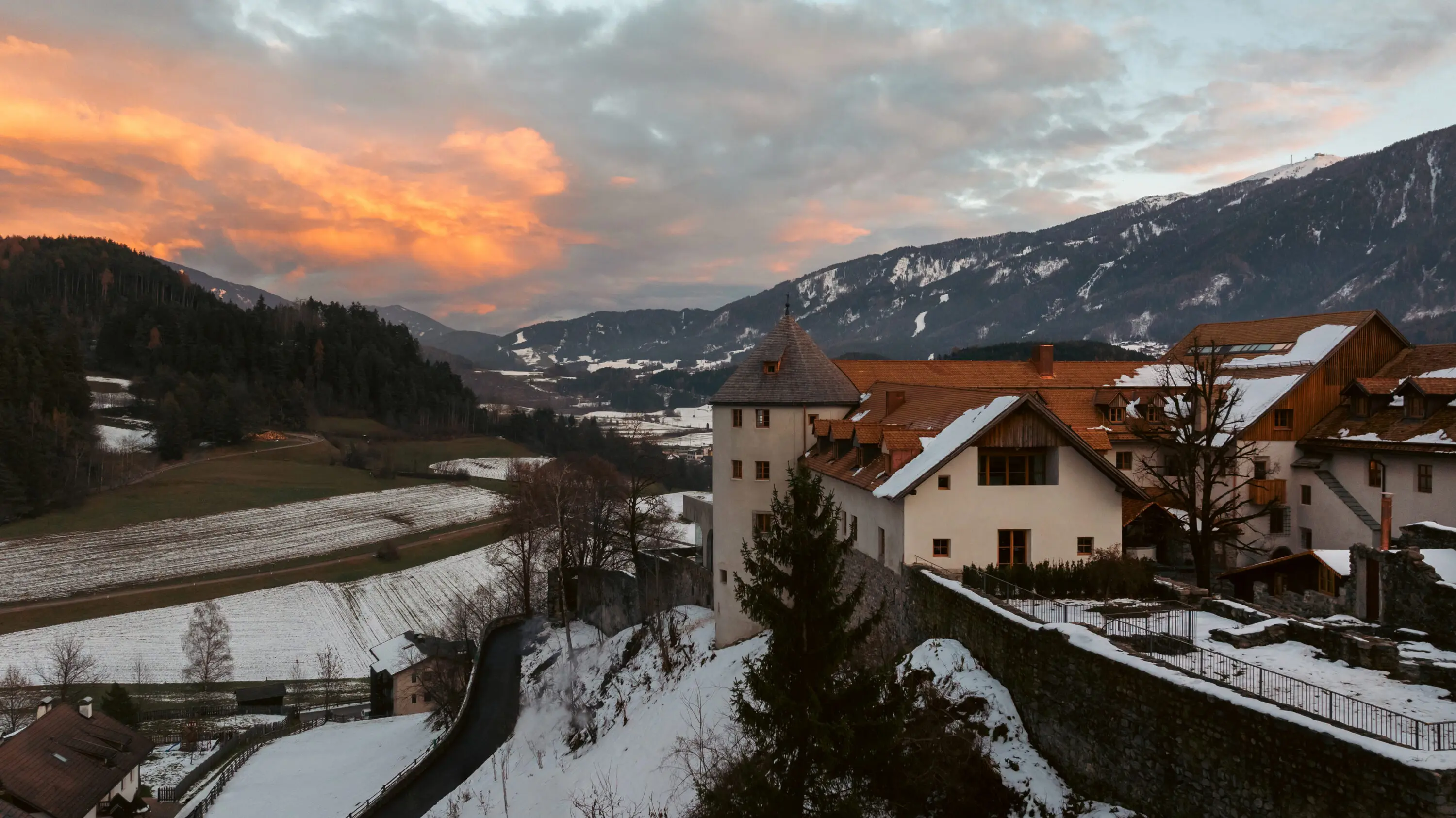
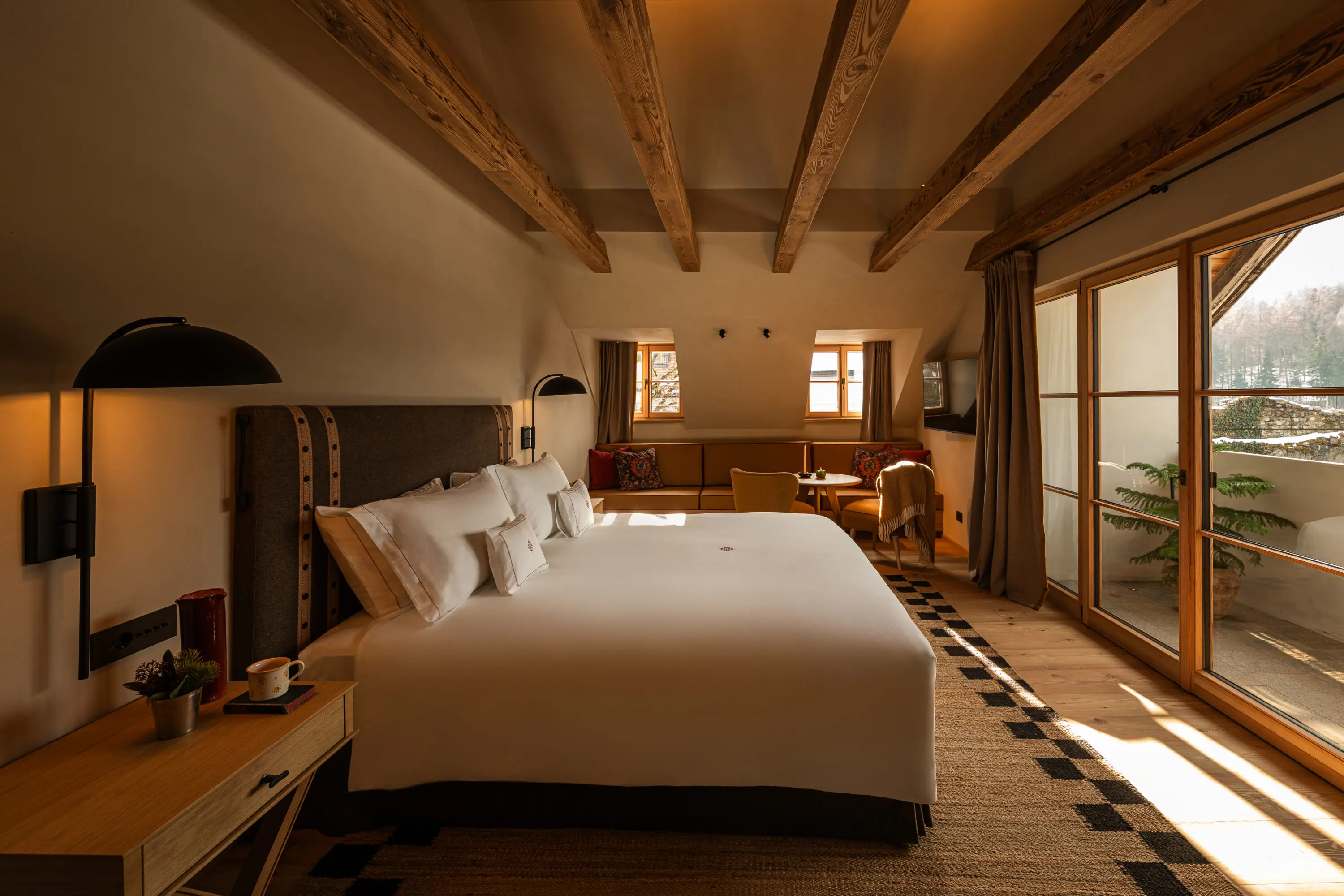
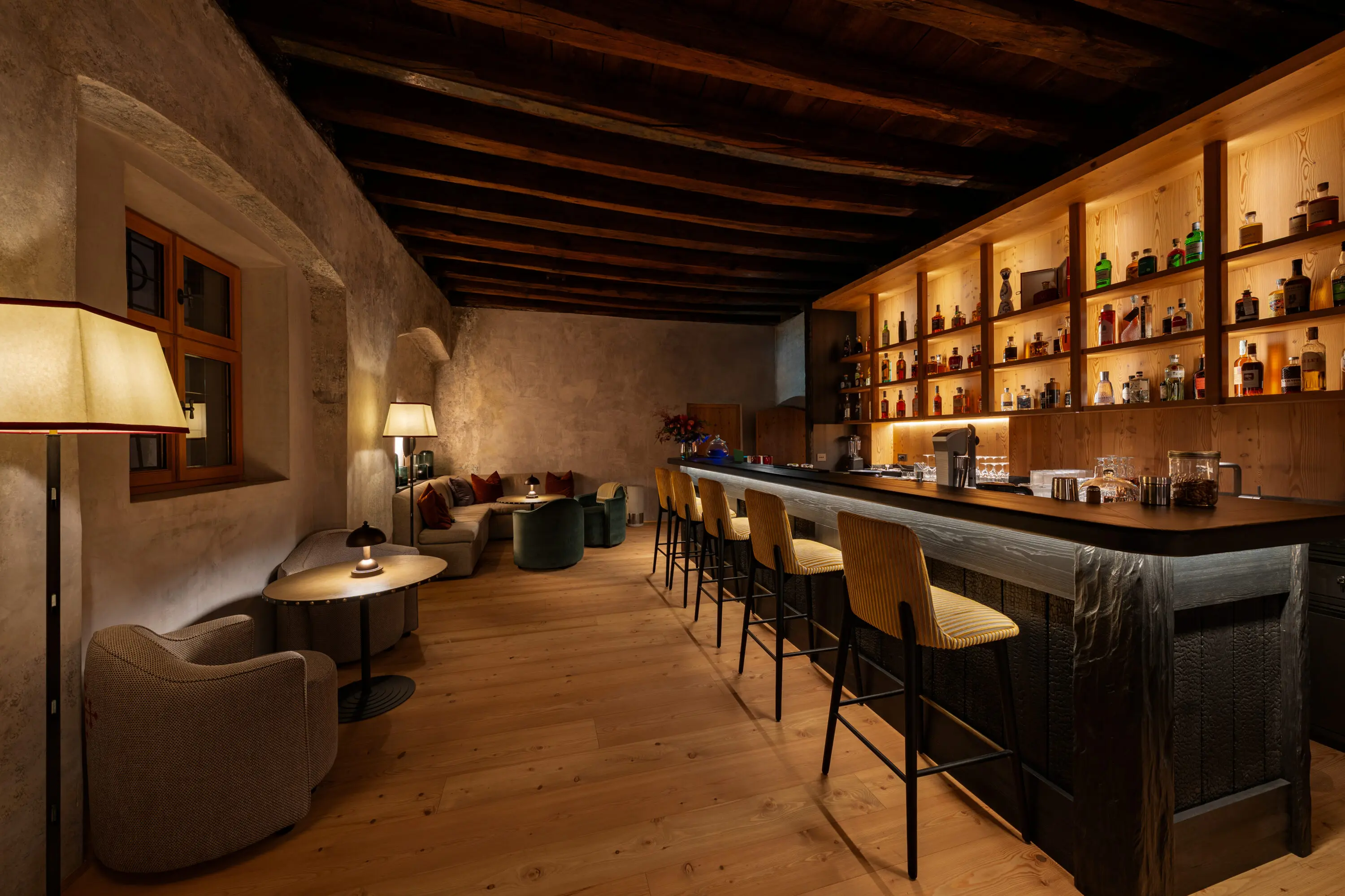
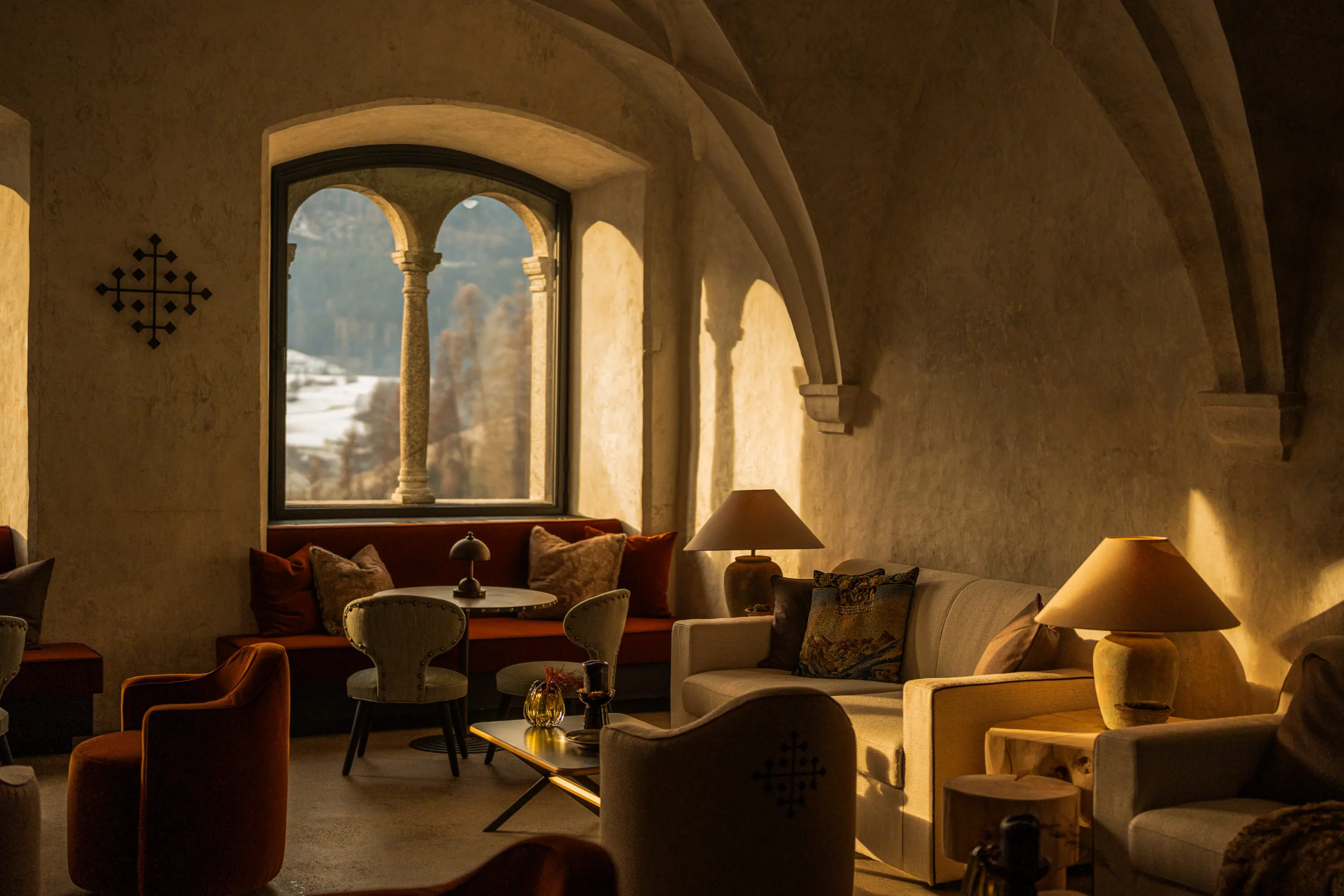
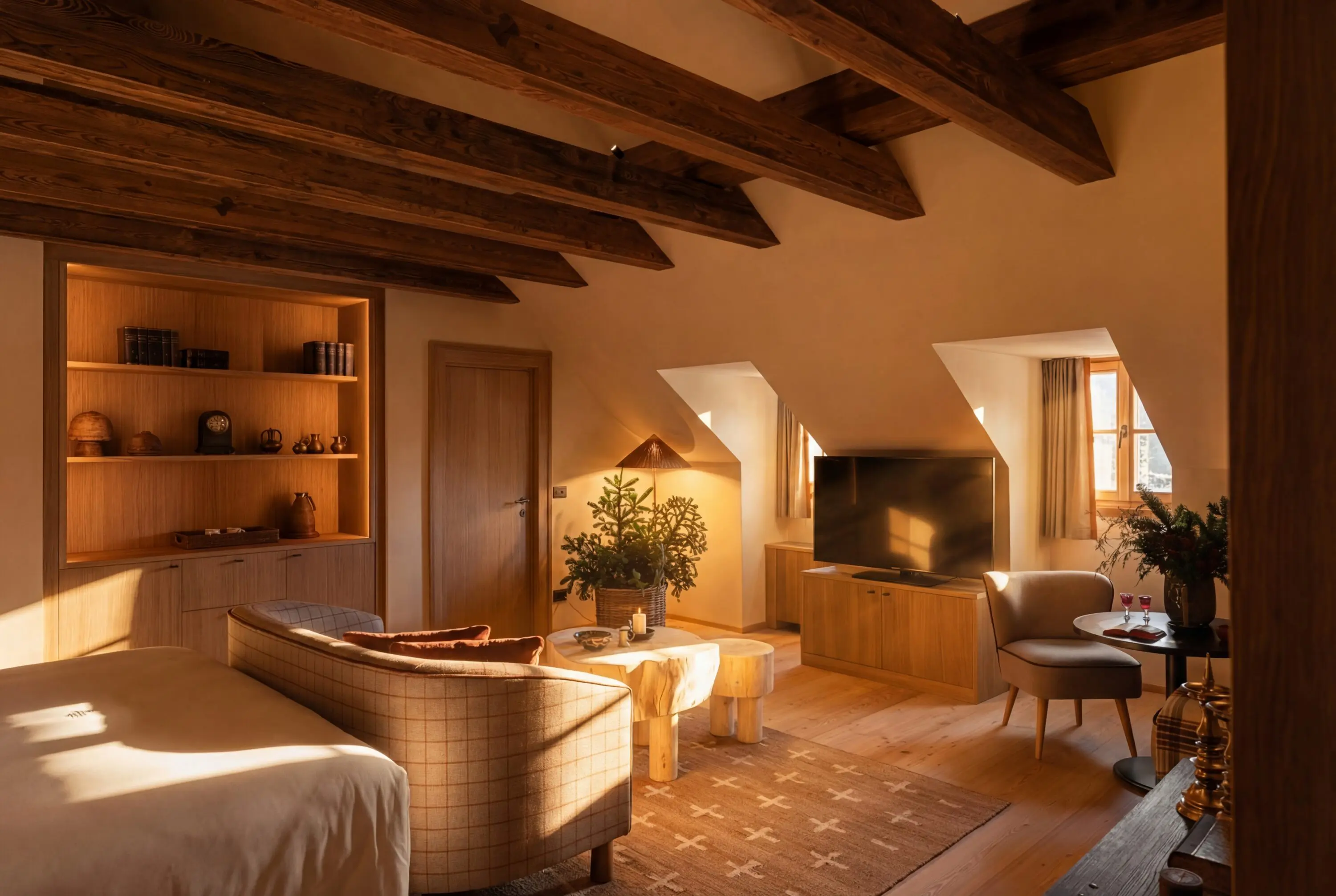
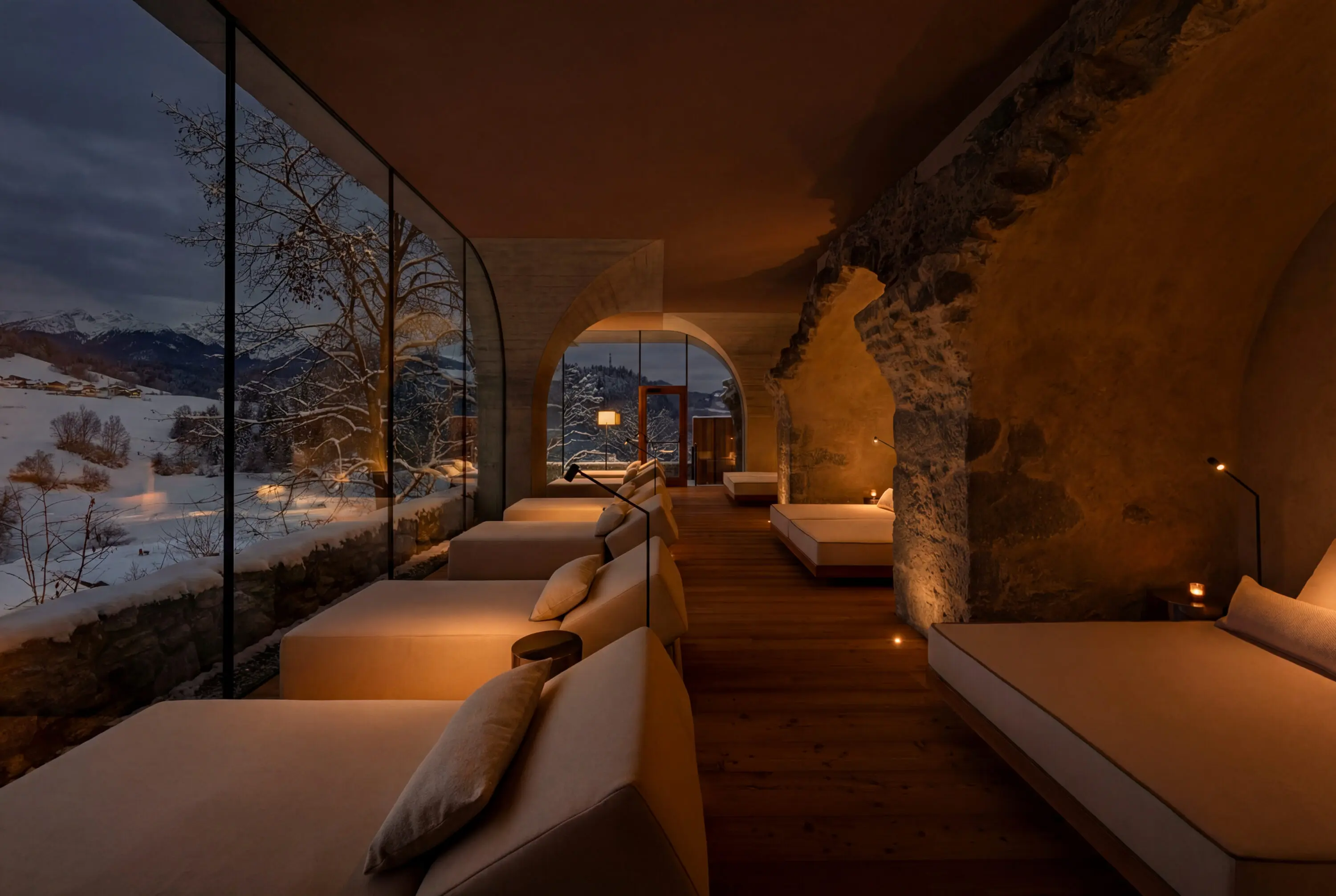
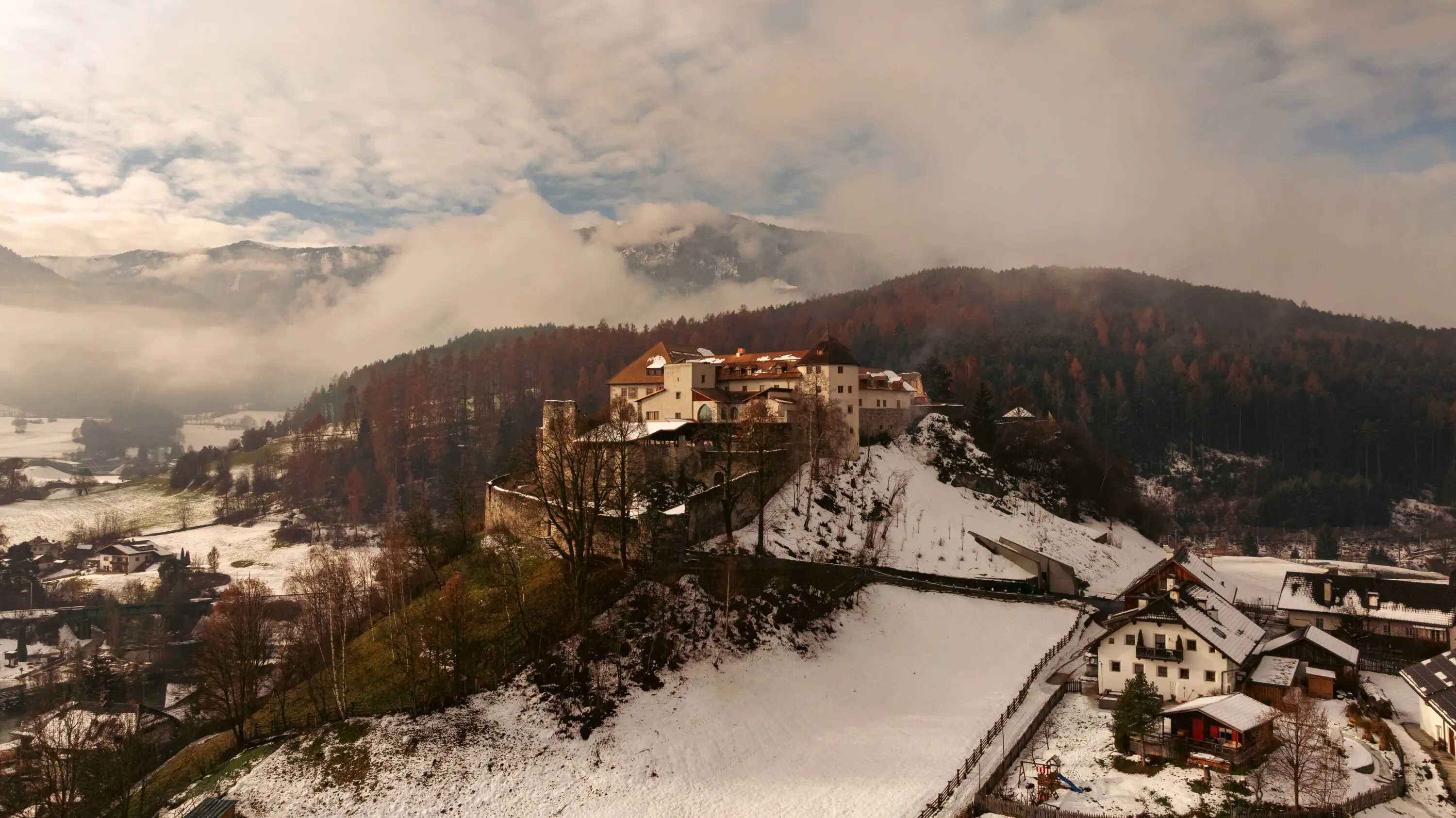
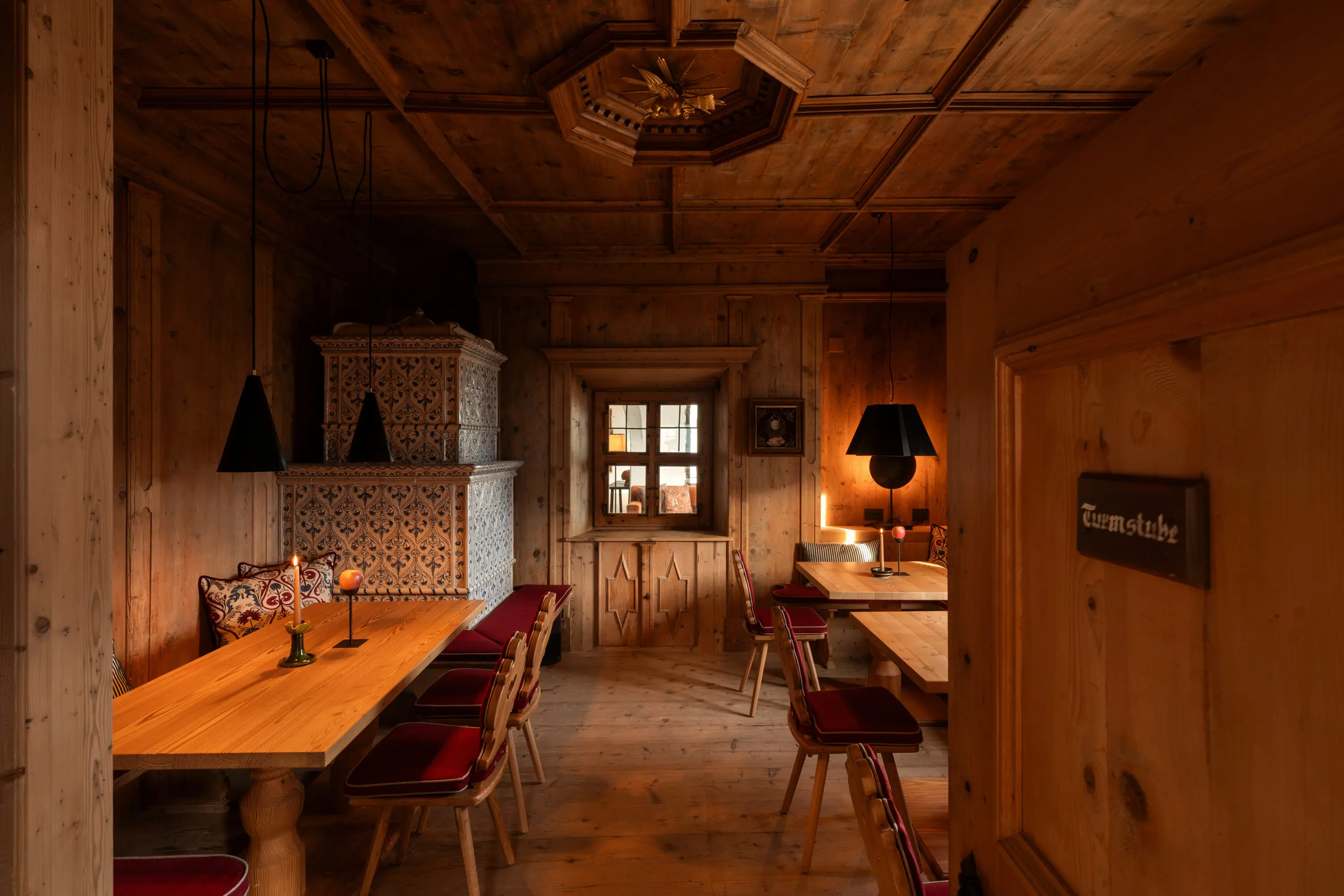
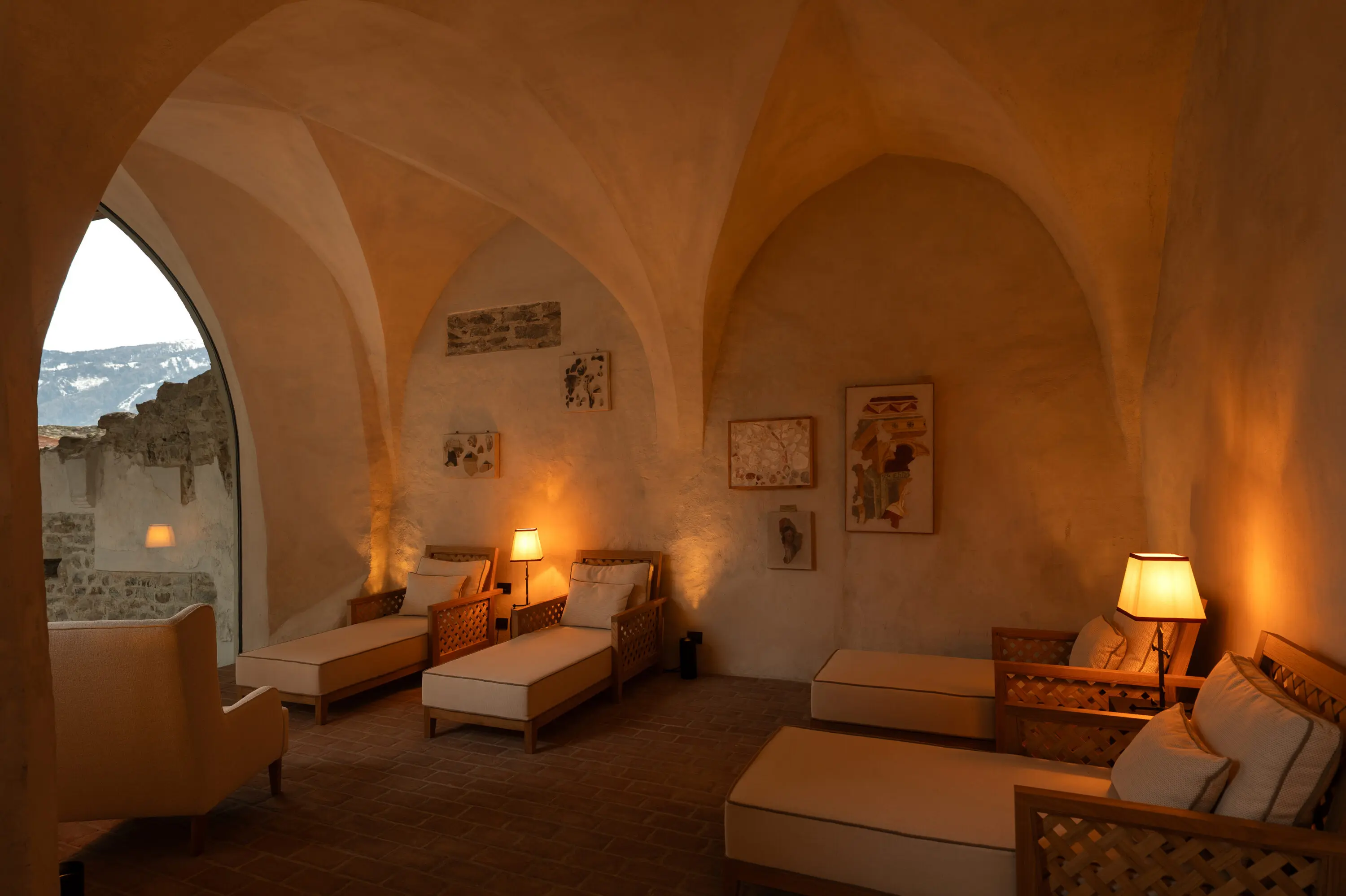
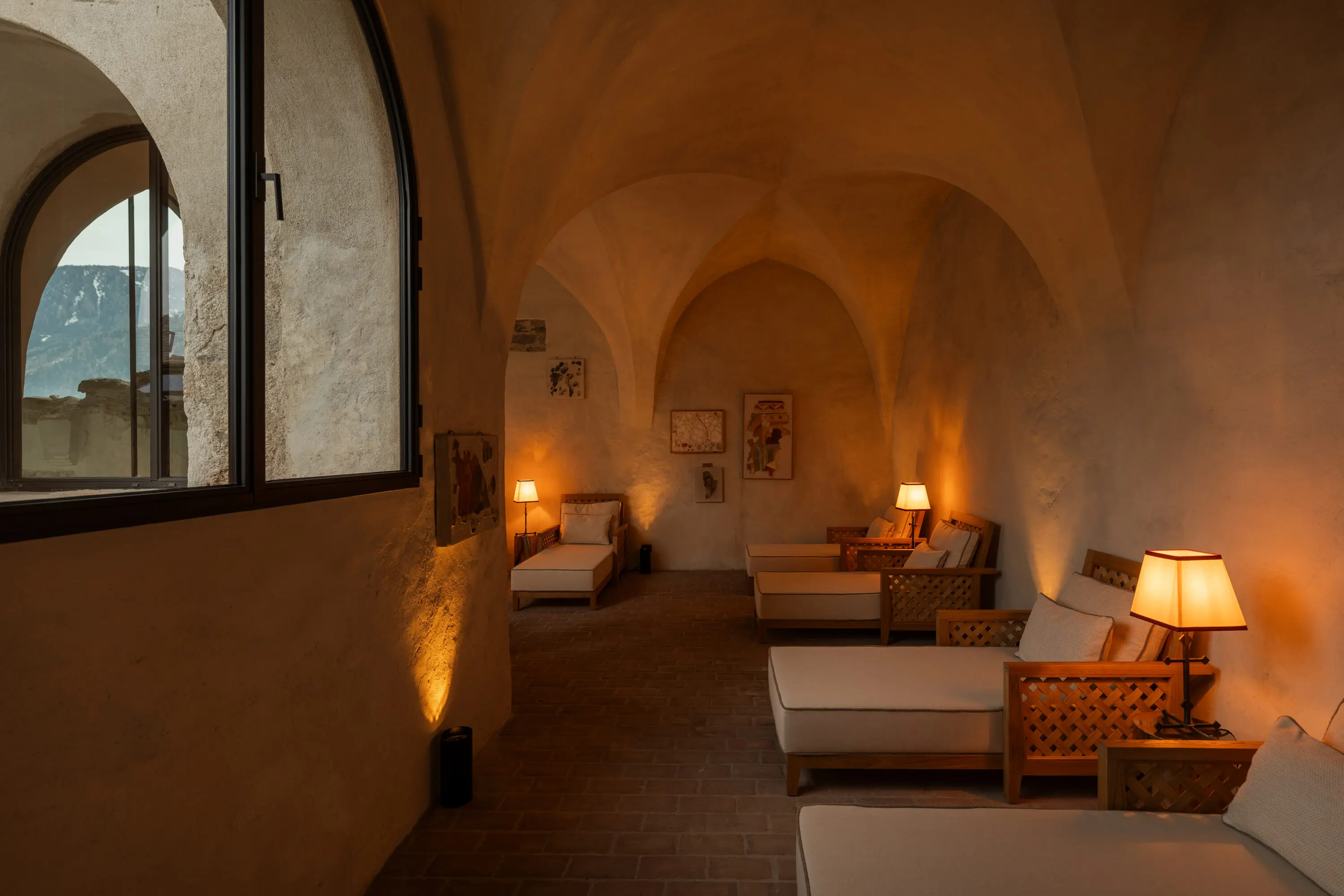
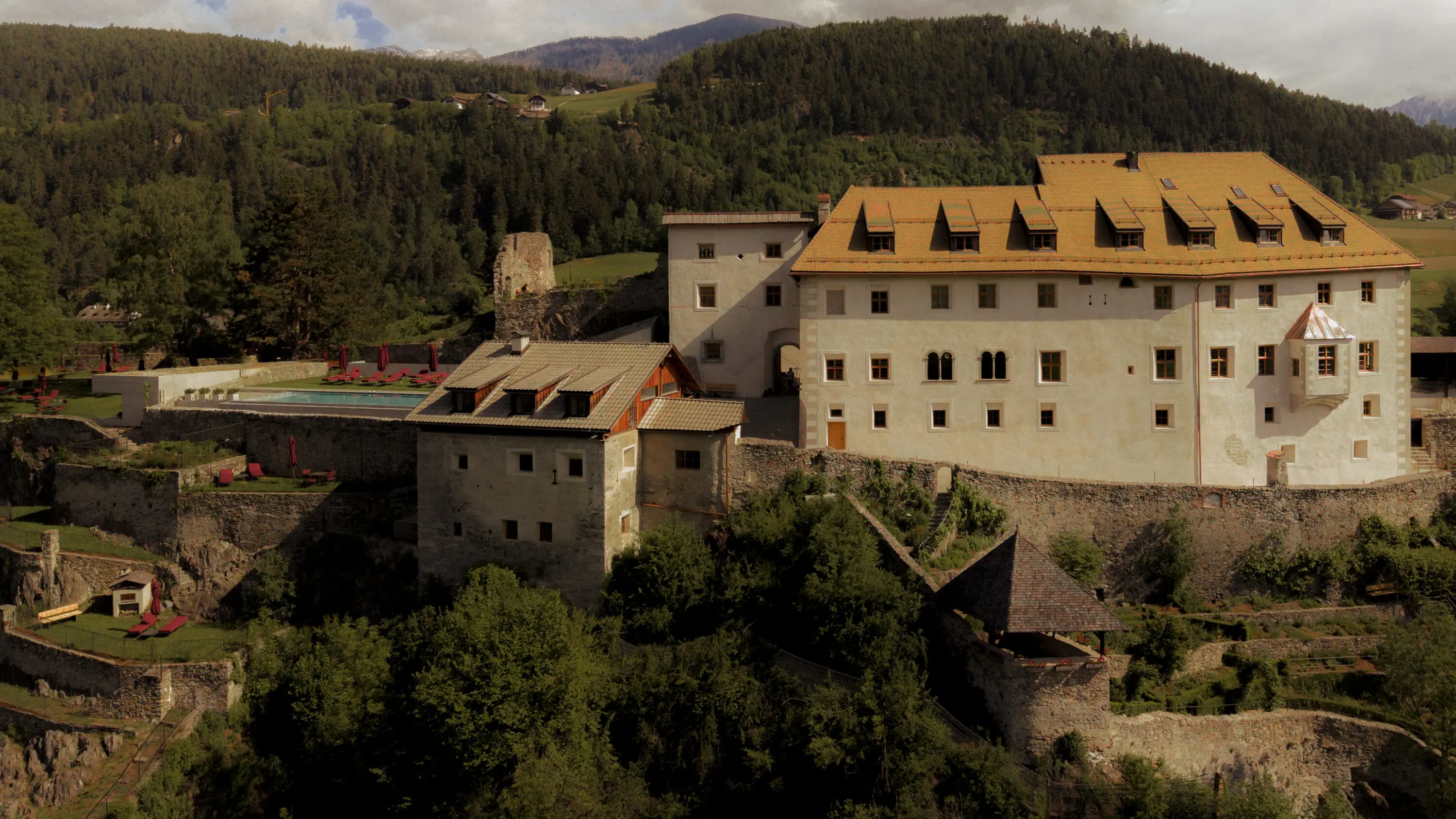
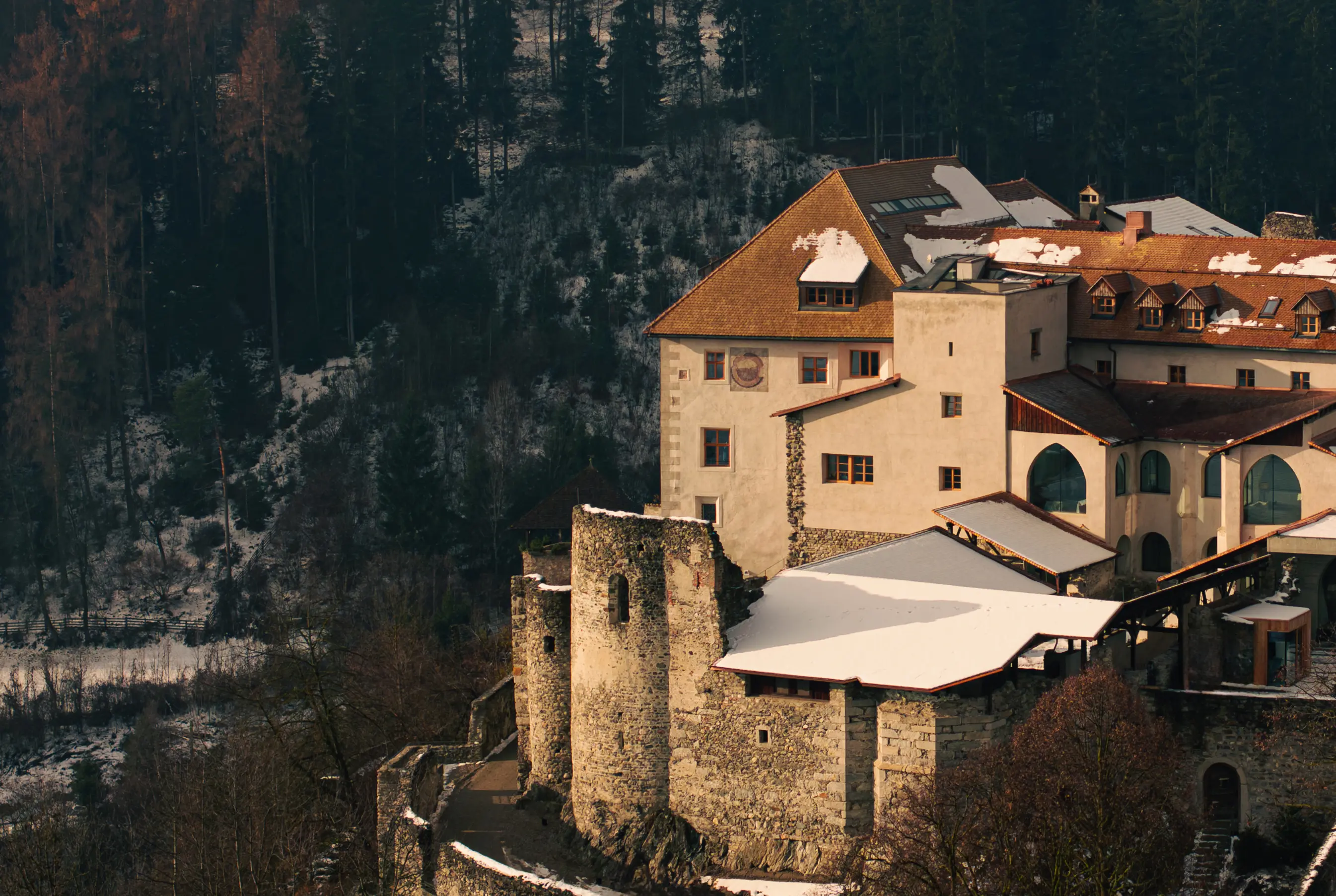
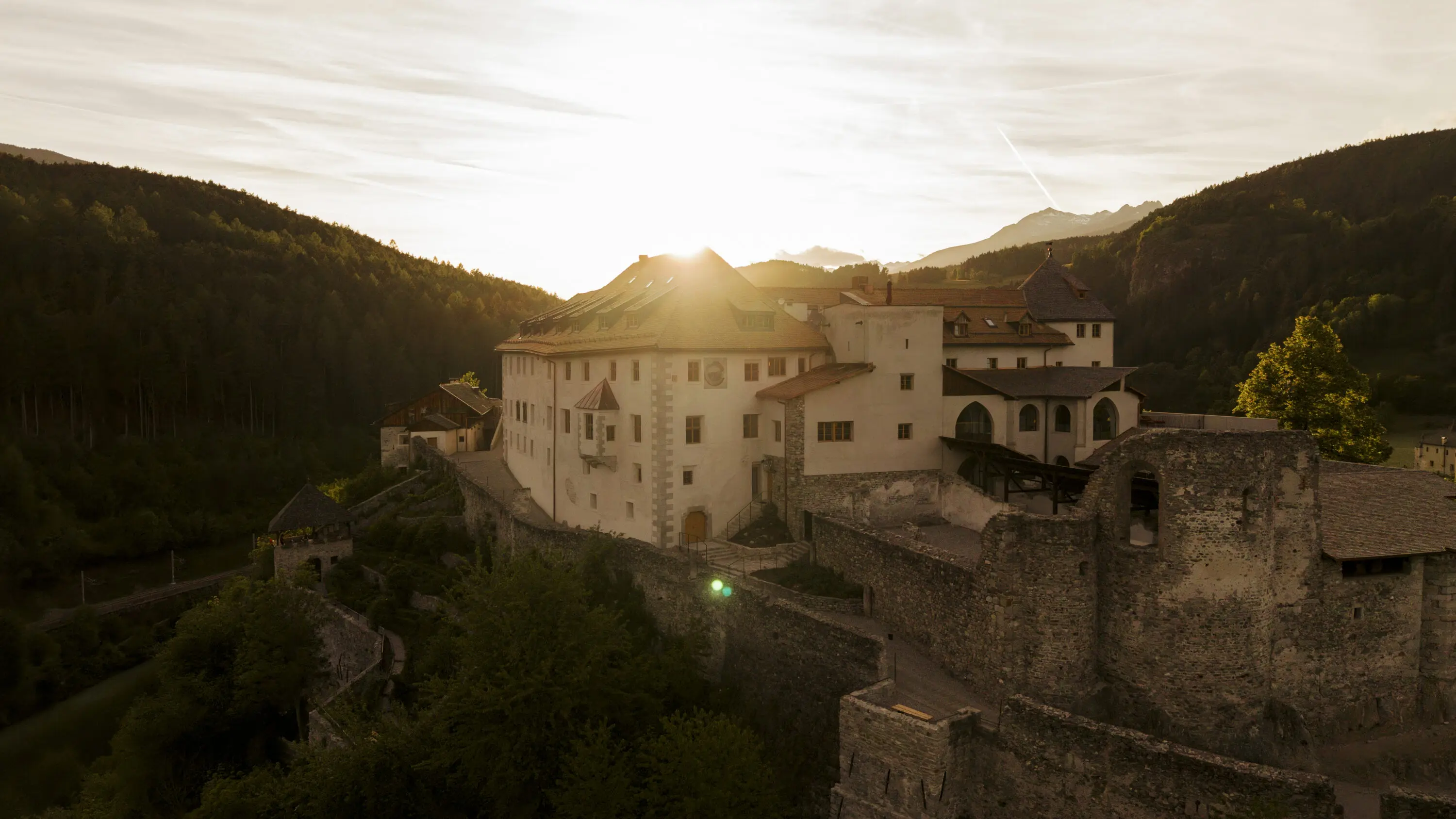
High above the meeting point of the Puster and Badia valleys, Castel Badia occupies an 11th-century castle that became the first Benedictine convent for women in historic Tyrol. Medieval frescoes, Romanesque chapels, old stuben and seventeen terraced gardens survive alongside 29 contemporary rooms, creating a rare place where almost a thousand years of South Tyrolean history remain part of everyday life.

Story

Castel Badia began in the 11th century, when Count Otwin von Lurngau established a castle here as a seat of justice. His son Volkhold soon gave it a radically different purpose, transforming it into a Benedictine convent — the first for women in historic Tyrol.

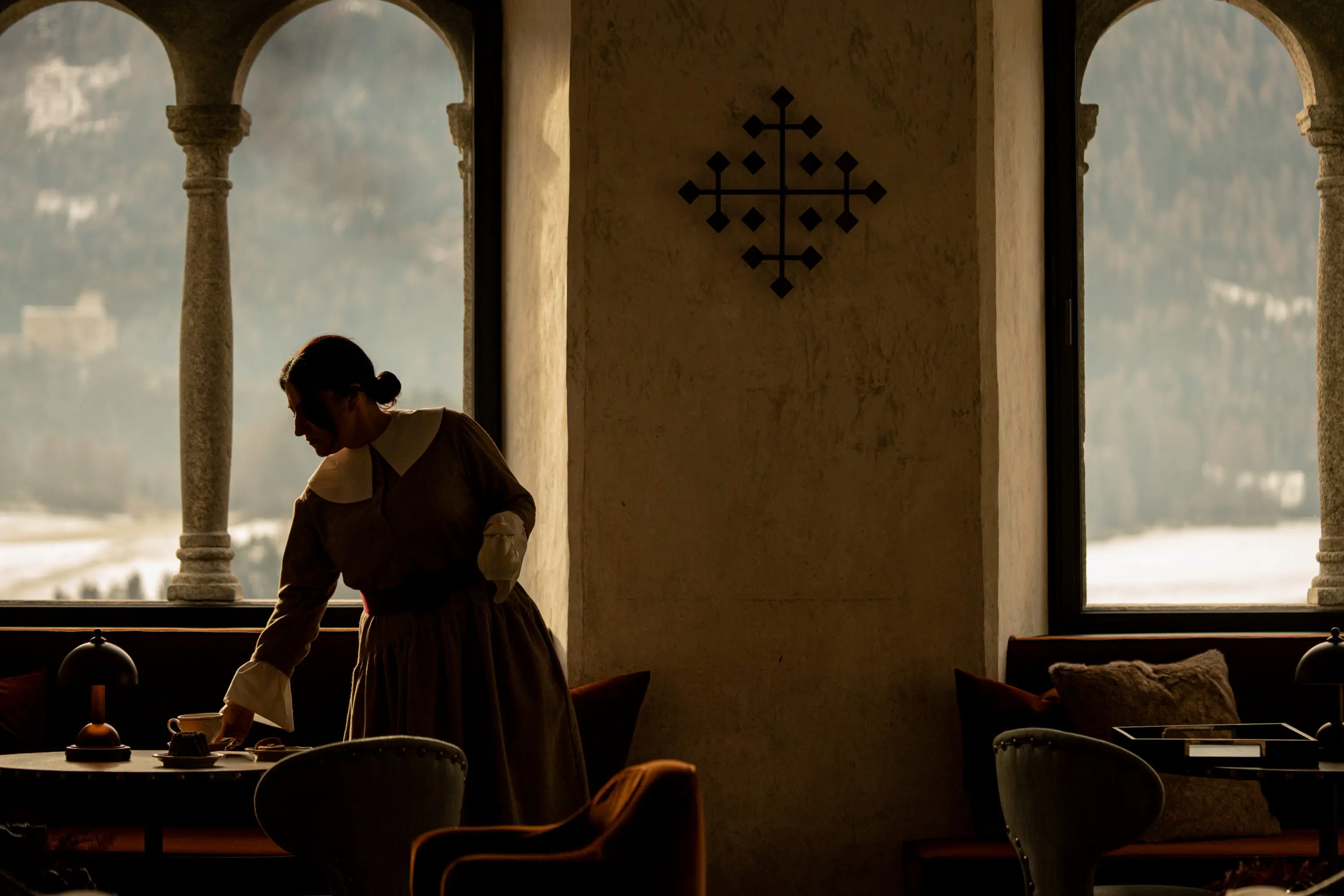
For centuries, the convent became an important spiritual and cultural centre for the surrounding valleys. Remarkably, it was governed by a succession of educated and unusually independent abbesses. Among them was Verena von Stuben, who fiercely defended the convent's autonomy in the 15th century, and Maria Antonietta Mörlin, whose distinctive “MAMA” signature can still be found on its walls.

After a devastating fire in 1598, the convent survived until its dissolution in 1785. Much later, in 1965, local entrepreneur Karl Knötig bought the deteriorating complex and began transforming it into a hotel while retaining its historic fabric. His son Gunther continued its stewardship.

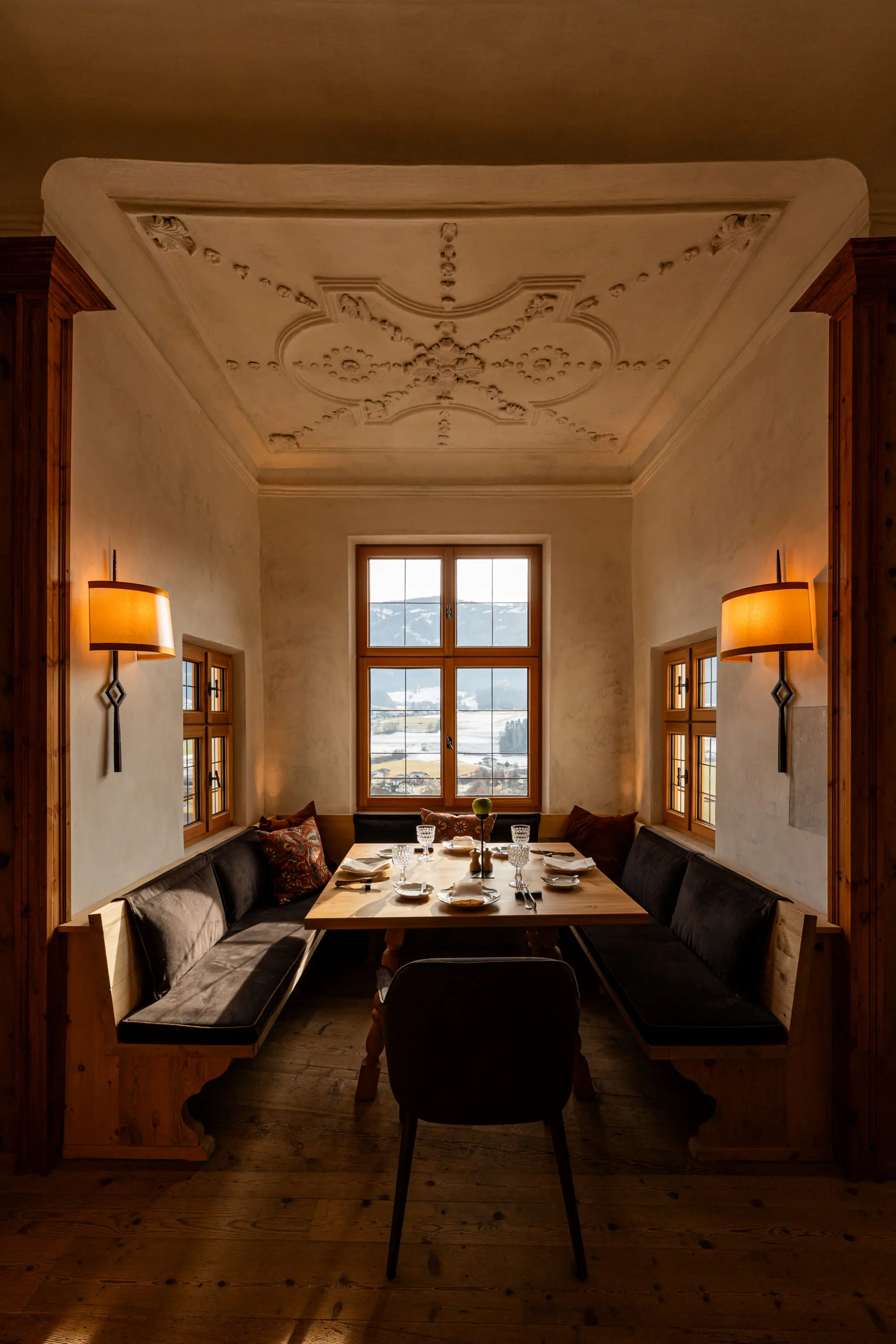
The latest chapter began in December 2025, with Gunther Knötig working alongside the Gasser family, Kronplatz Holding and hotelier Aldo Melpignano. The restoration uncovered and retained ancient frescoes, original plaster, ruins and archaeological fragments rather than erasing them beneath a new hotel aesthetic.

Local life & traditions

Life in Val Pusteria reflects South Tyrol's unusual meeting of Italian, German and Ladin cultures. All three languages are spoken across the surrounding valleys, while food brings together Tyrolean, Ladin, Italian and Bavarian traditions. Mountain cheeses, cured meats, dumplings, local wine and grappa remain staples of everyday Alpine cooking.

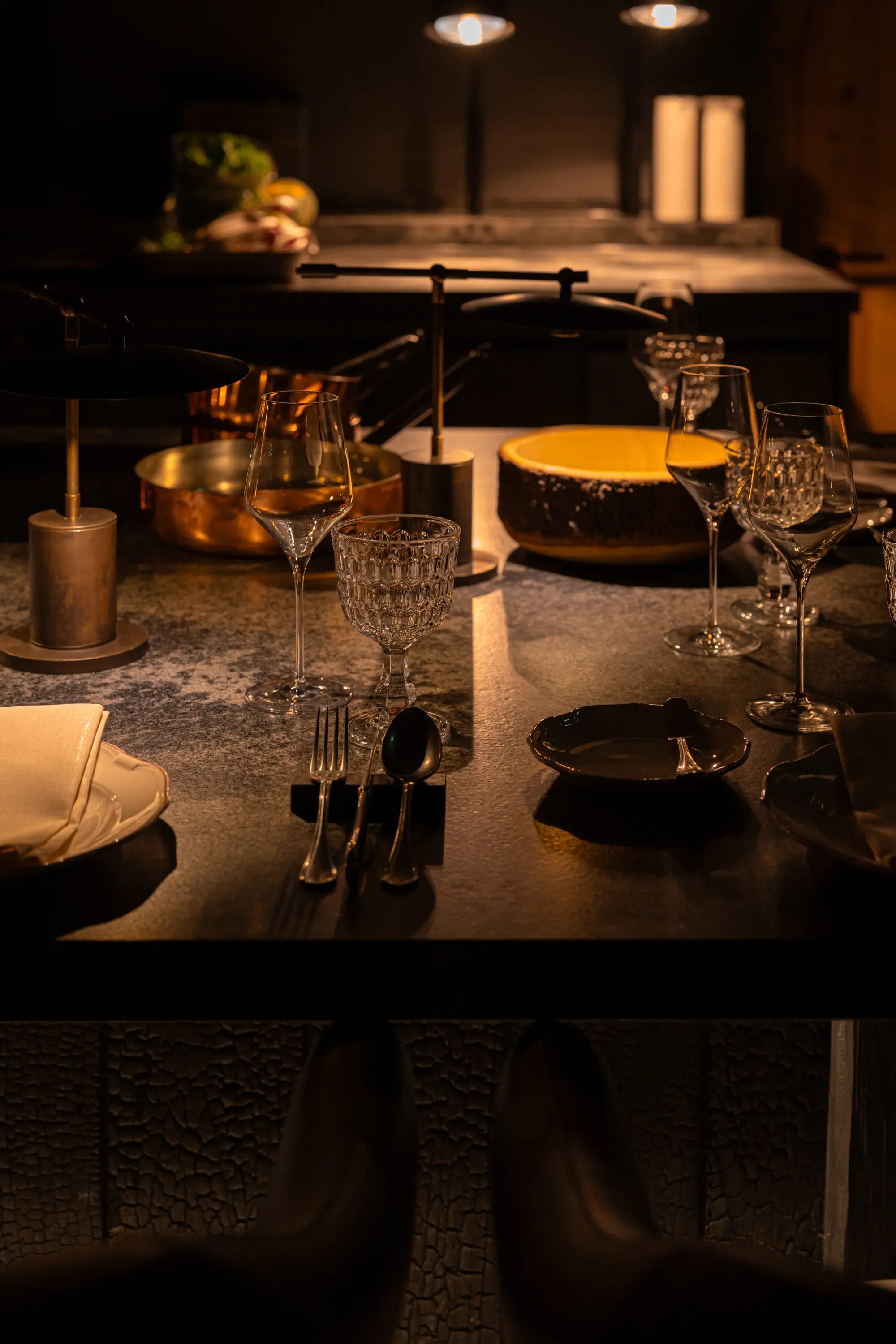
One particularly local speciality is Graukäse, the intensely flavoured low-fat mountain cheese traditionally made from leftover skimmed milk. Local legend even places its origins within Castel Badia itself. Beyond the castle, malghe, markets, artisan workshops and seasonal festivals continue the rhythms of mountain life.

Authentic experiences in the area

Discover the hidden history of the castle

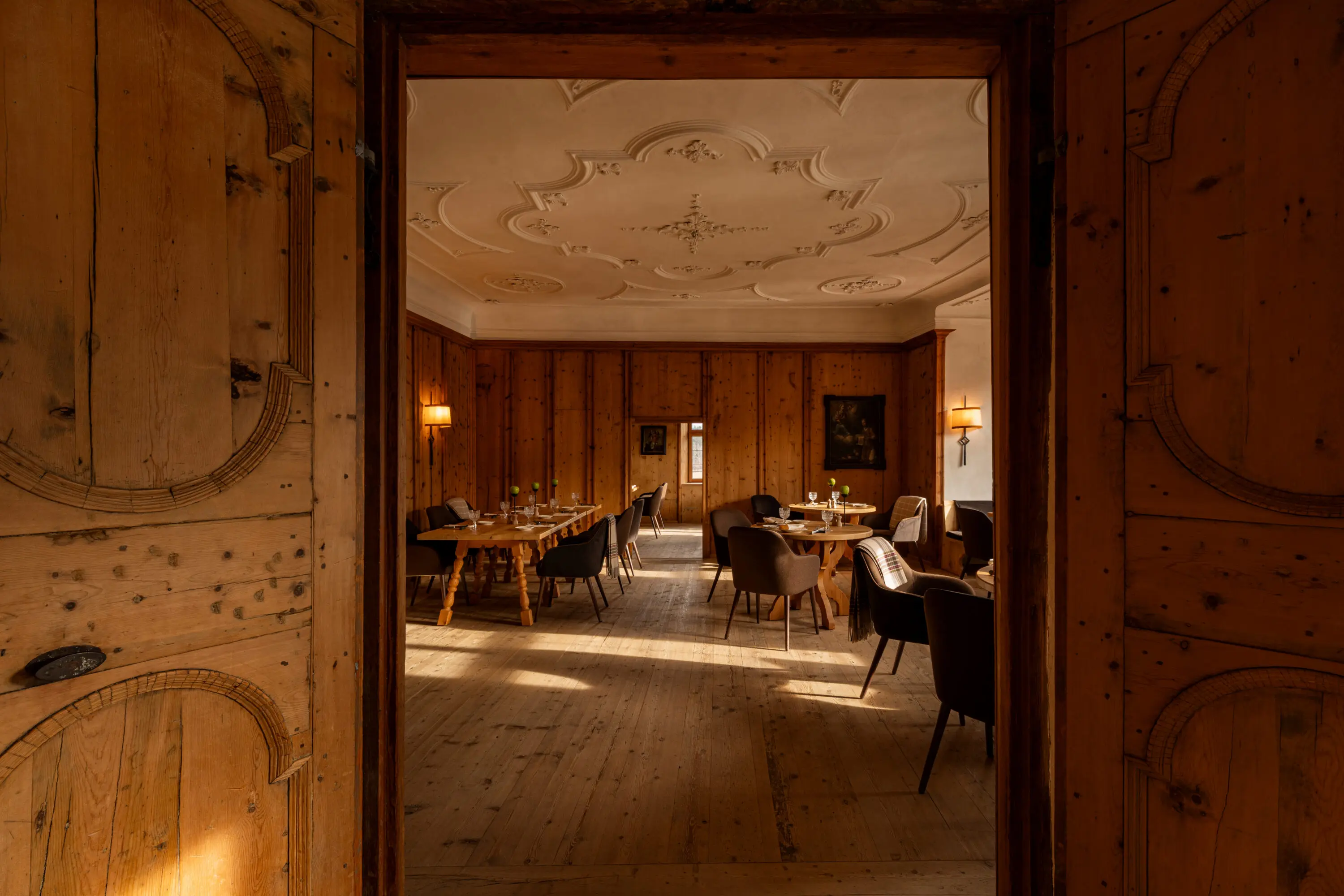
Explore the surviving crypt, Romanesque chapels, medieval frescoes and Abbess’s Hall, uncovering layers of architecture stretching back almost a millennium.

Taste the traditions of Val Pusteria

Seek out Graukäse, mountain cheeses, cured meats and other dishes shaped by the valley’s intertwined Tyrolean, Ladin and Italian culinary cultures.

Walk through the historic gardens

Explore seventeen different gardens, including the Apothekergarten of medicinal herbs and the rose garden, where native and historic species grow across the castle’s original rocky terraces.

Discover South Tyrol's mountain culture

Visit nearby Brunico and the South Tyrolean Folklore Museum at Teodone, which preserves historic farmhouses, workshops and objects documenting generations of rural Alpine life.

Protecting culture & land

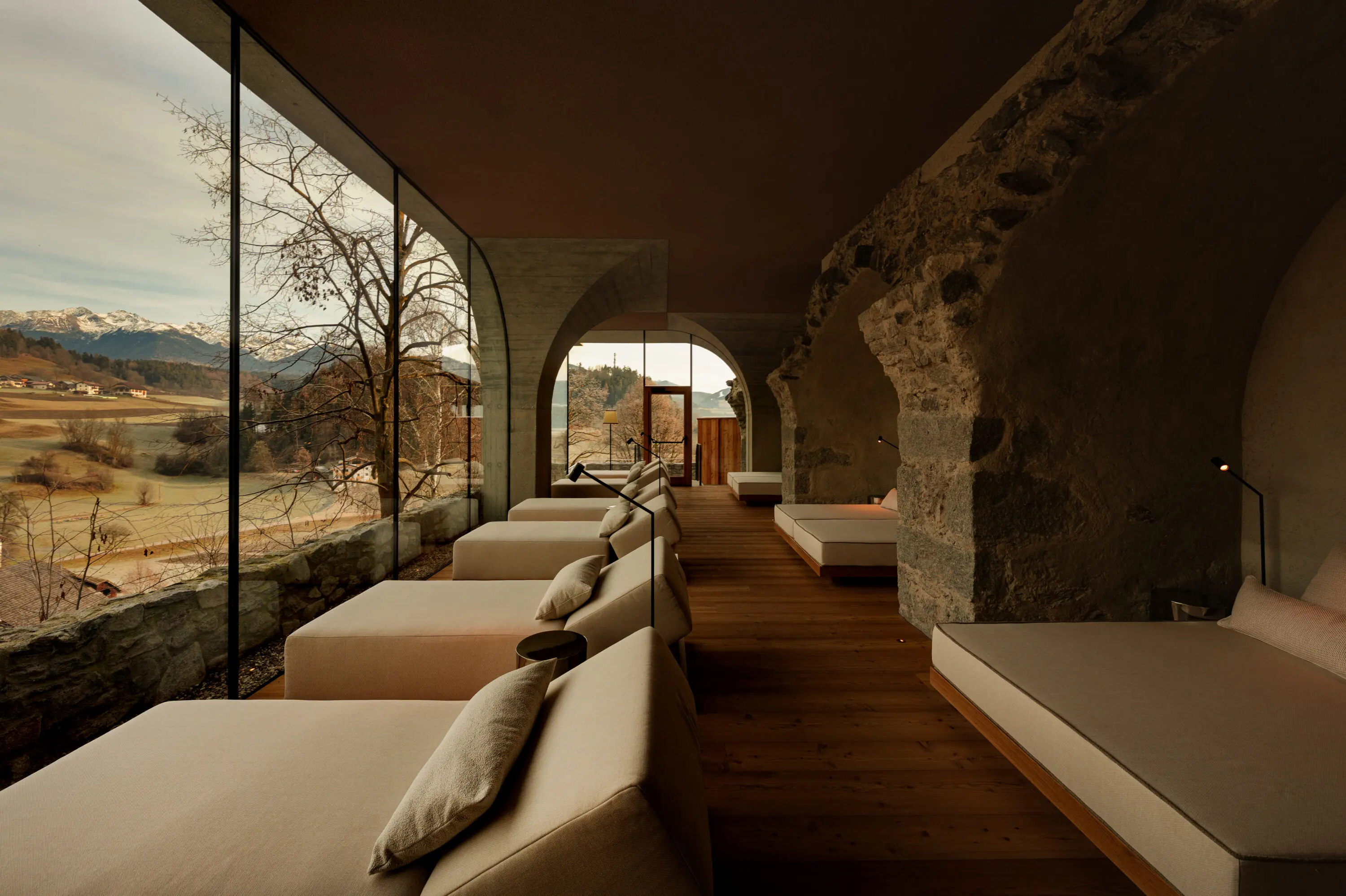
Castel Badia's latest restoration has treated the castle as an archaeological record rather than a blank canvas. Medieval frescoes have been uncovered, original plaster preserved and ruins deliberately incorporated into the experience, while museum spaces reveal parts of the site's history rather than concealing them.

The surrounding landscape has received similar attention. Seventeen gardens retain historic identities, including an Apothekergarten dedicated to medicinal herbs, with native and ancient plant species selected to respect the castle's rocky terrain.

Perhaps most importantly, the Knötig family's stewardship has preserved the site for more than sixty years. Karl Knötig acquired the largely deteriorated complex in 1965, and his son Gunther remains involved in its preservation and interpretation today.

Location & surroundings

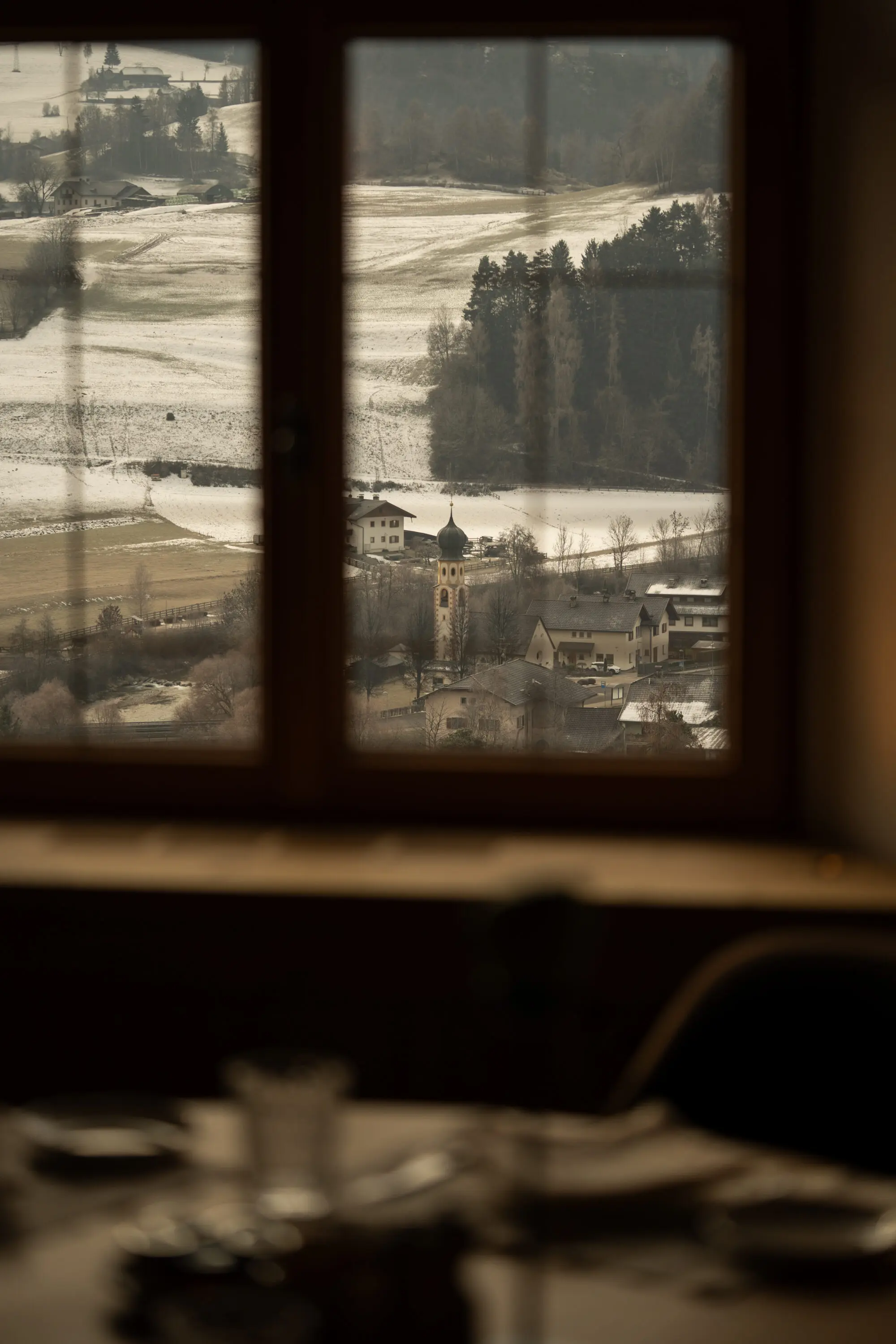
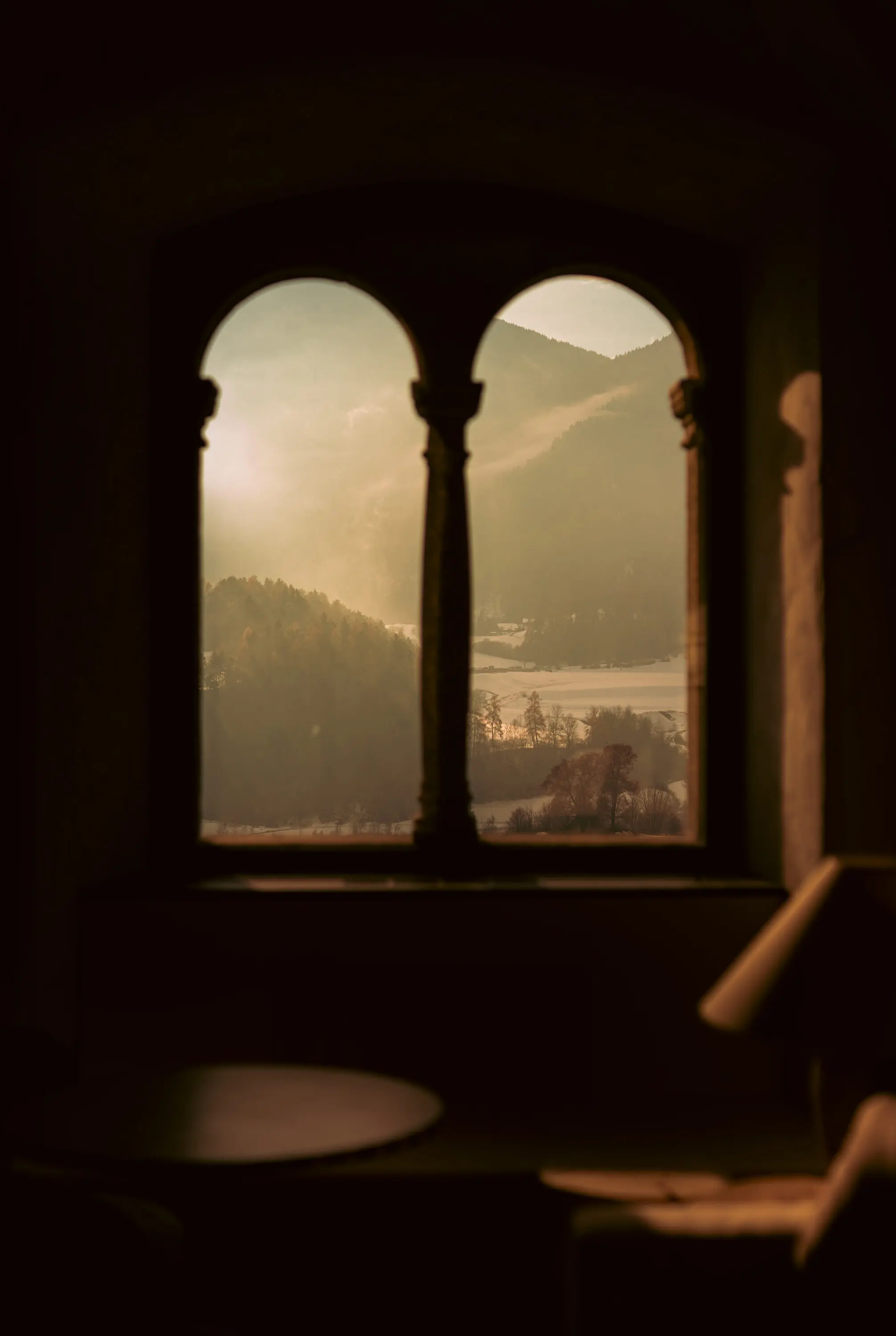
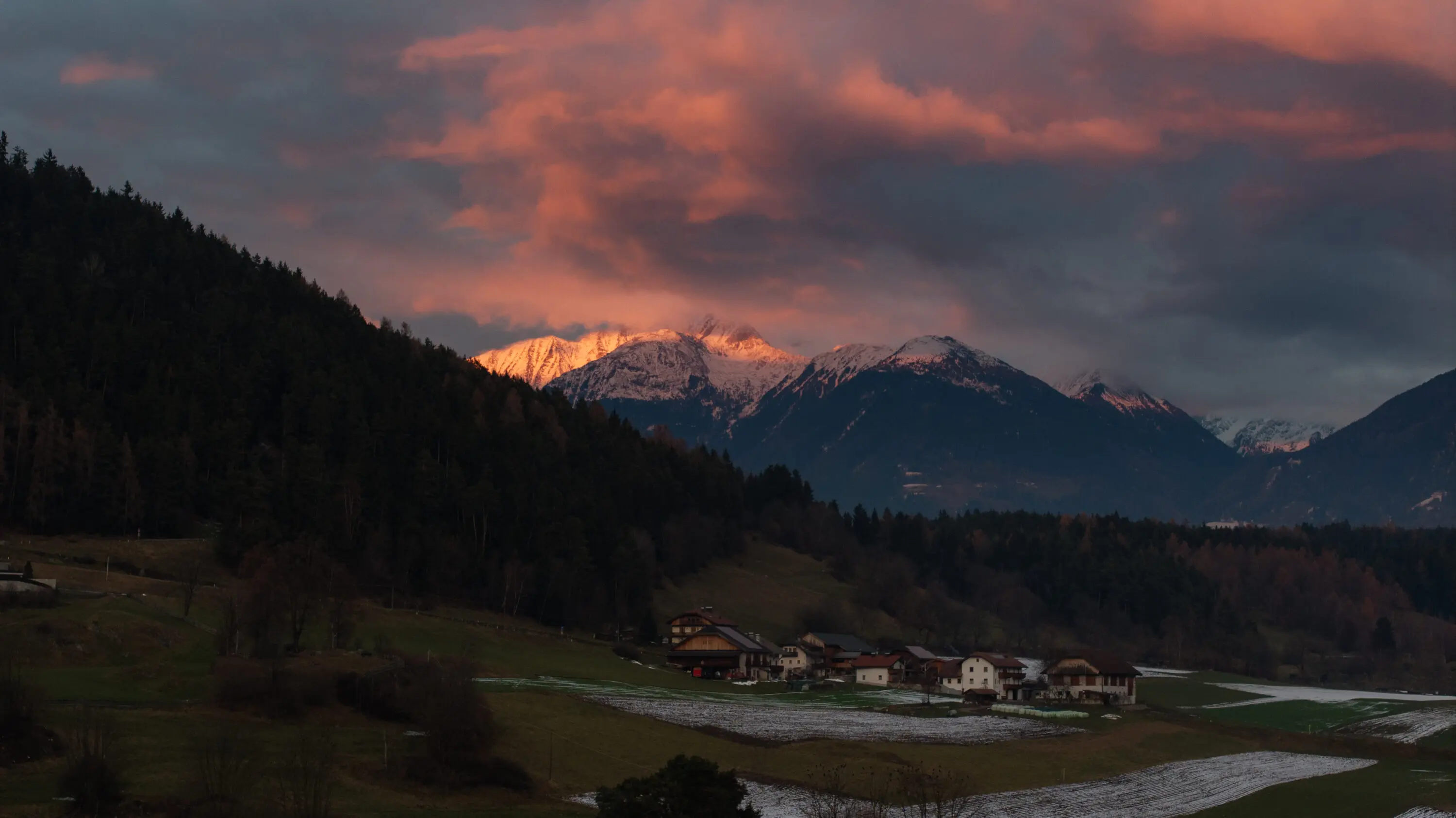
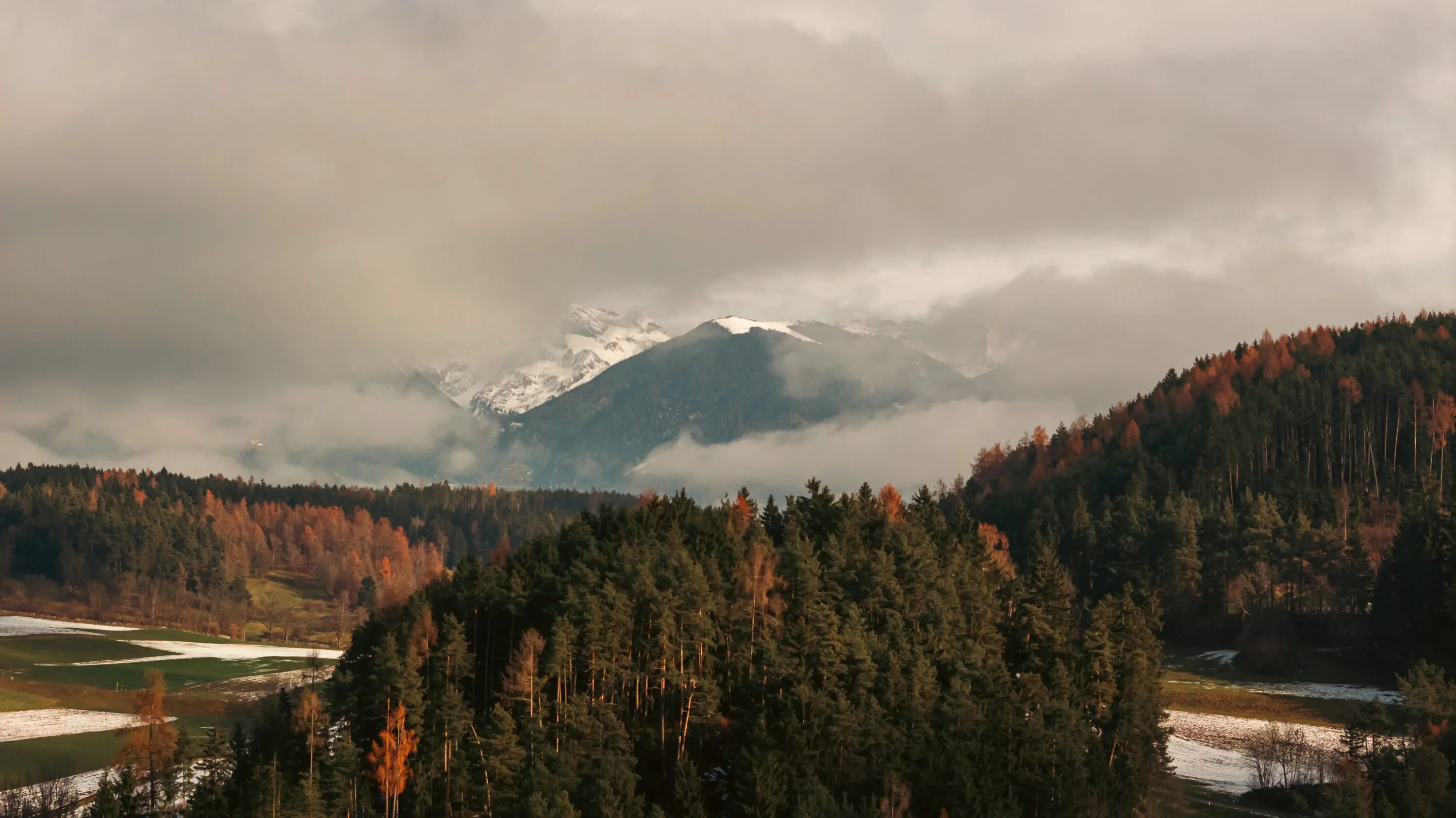
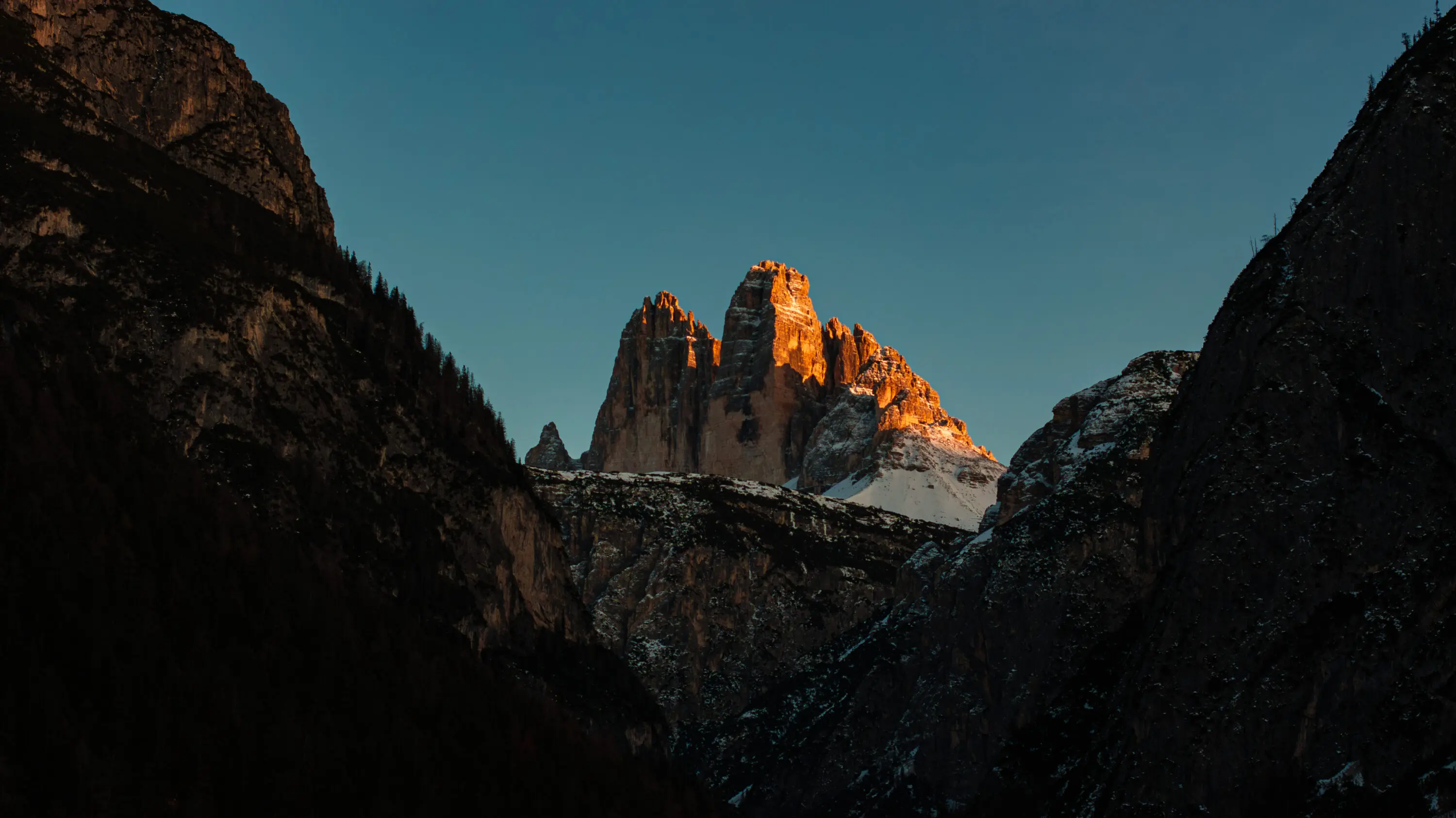
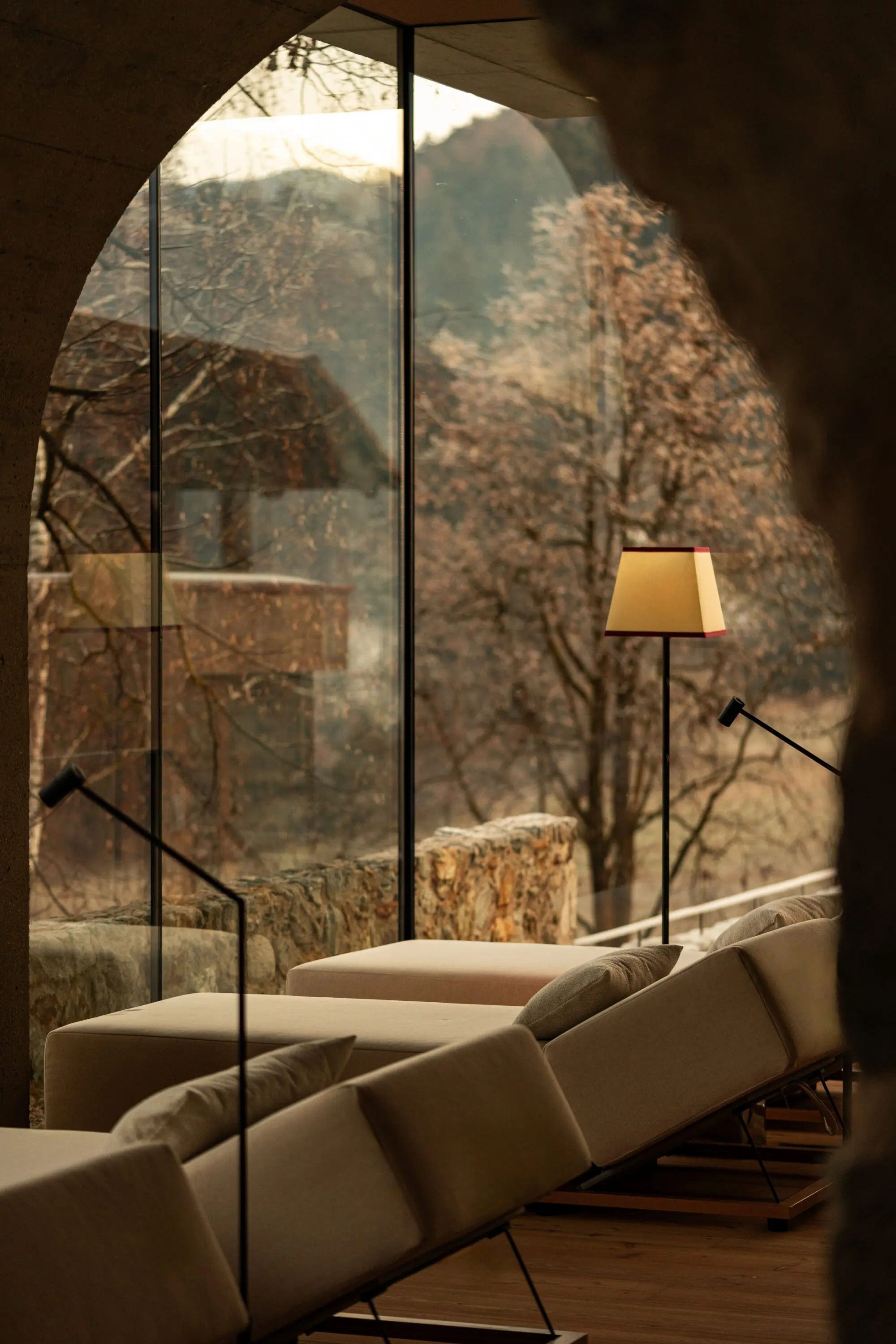
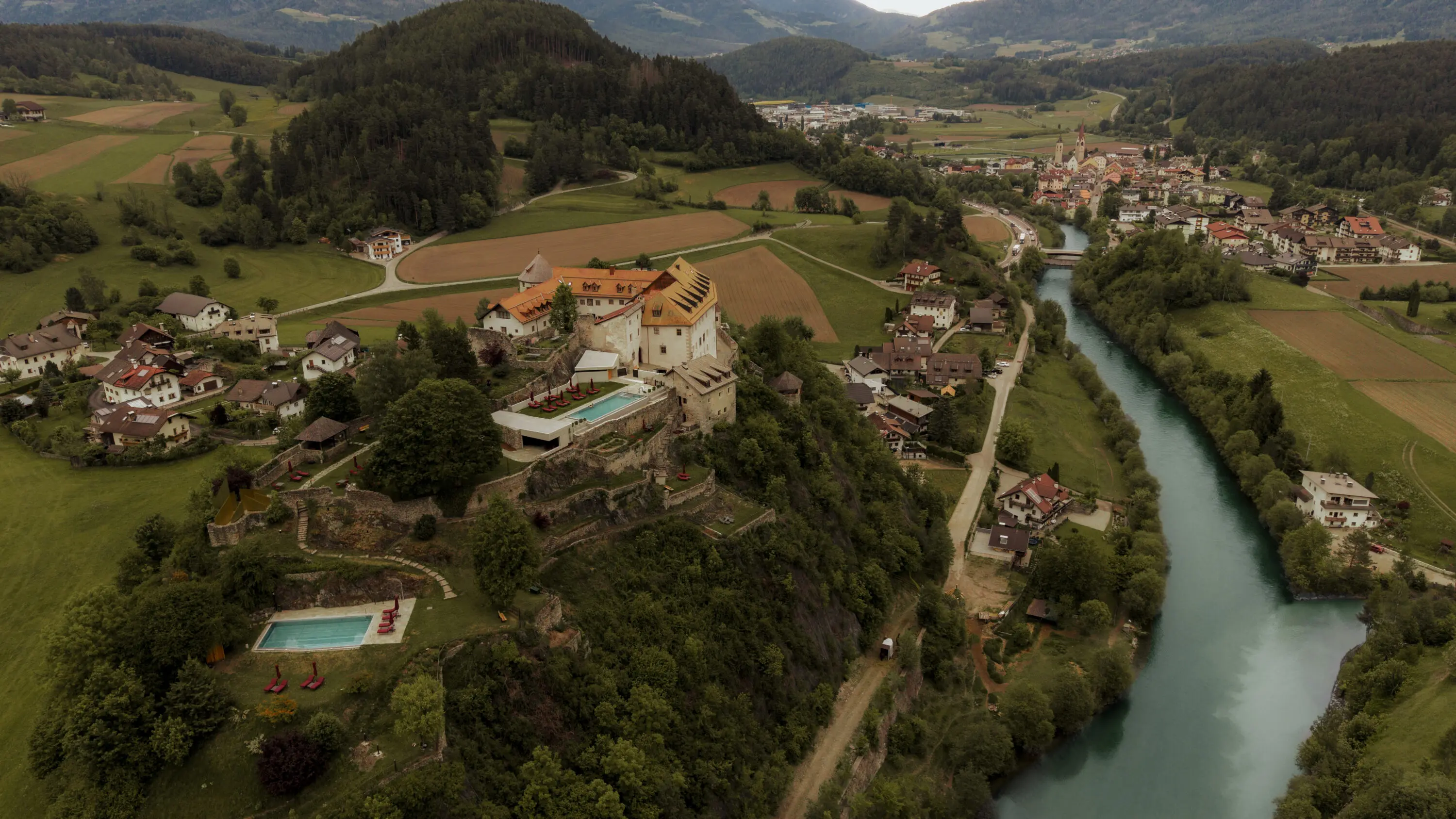
Castel Badia rises above San Lorenzo di Sebato in Val Pusteria, where Val Badia meets the wider Puster Valley, with the Dolomites surrounding it.

Brunico lies just 6km away, while Plan de Corones/Kronplatz provides access to the high mountains. San Lorenzo itself is one of the area’s oldest settlements, with archaeological remains from Roman Sebatum revealing the valley’s importance long before the castle was built.

Key details

Address

Frazione Castelbadia 38
39030 San Lorenzo di Sebato (BZ)
Italy

Getting here

By plane: Bolzano Airport is around 79km away; Innsbruck Airport is approximately 100km.
By train: Fortezza is the nearest major rail hub, 30km away, with regional connections to San Lorenzo di Sebato, just 2km from the castle.
By car: Brunico is 6km away; Innsbruck 100km; Venice and Verona approximately 210km.
Facilities

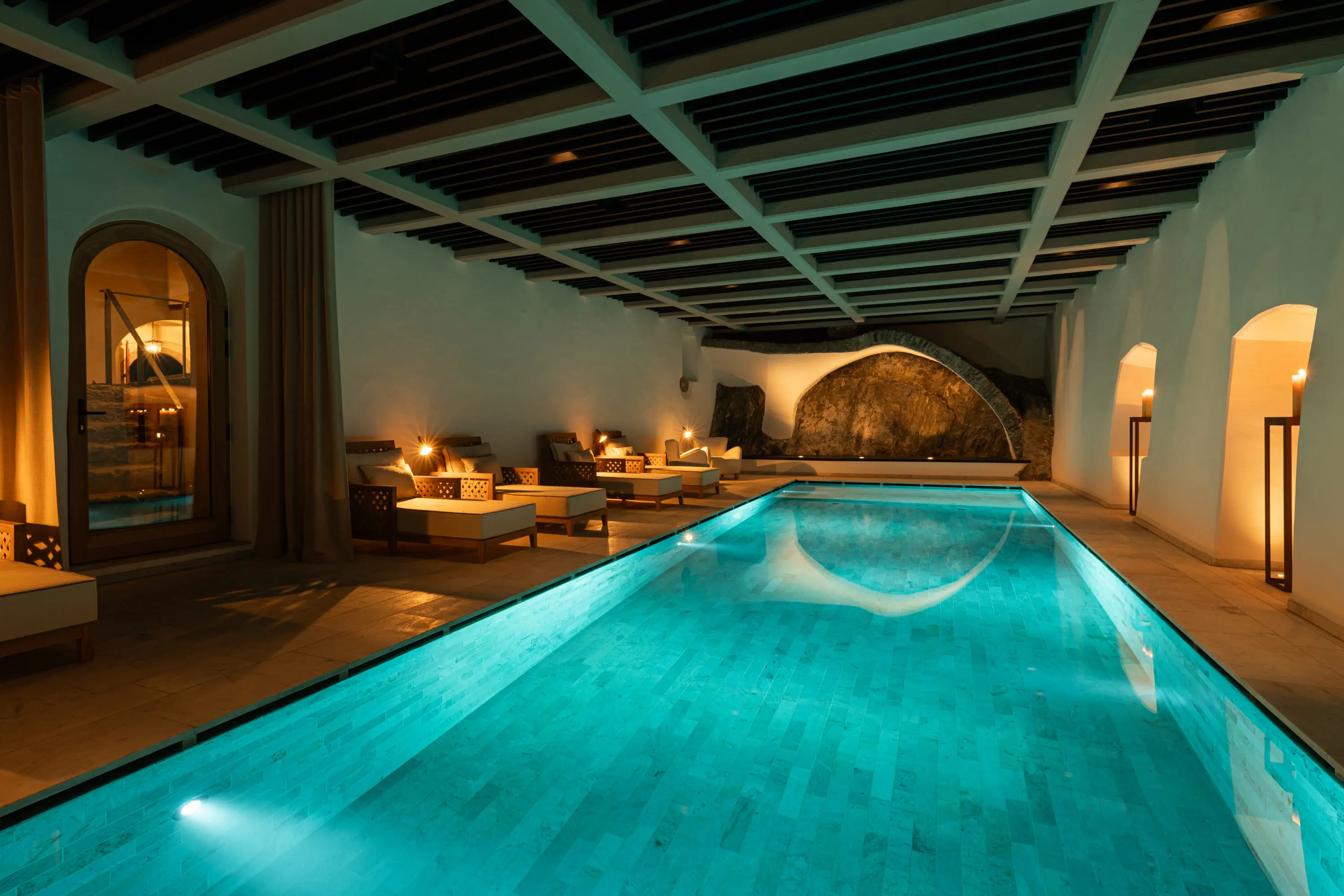
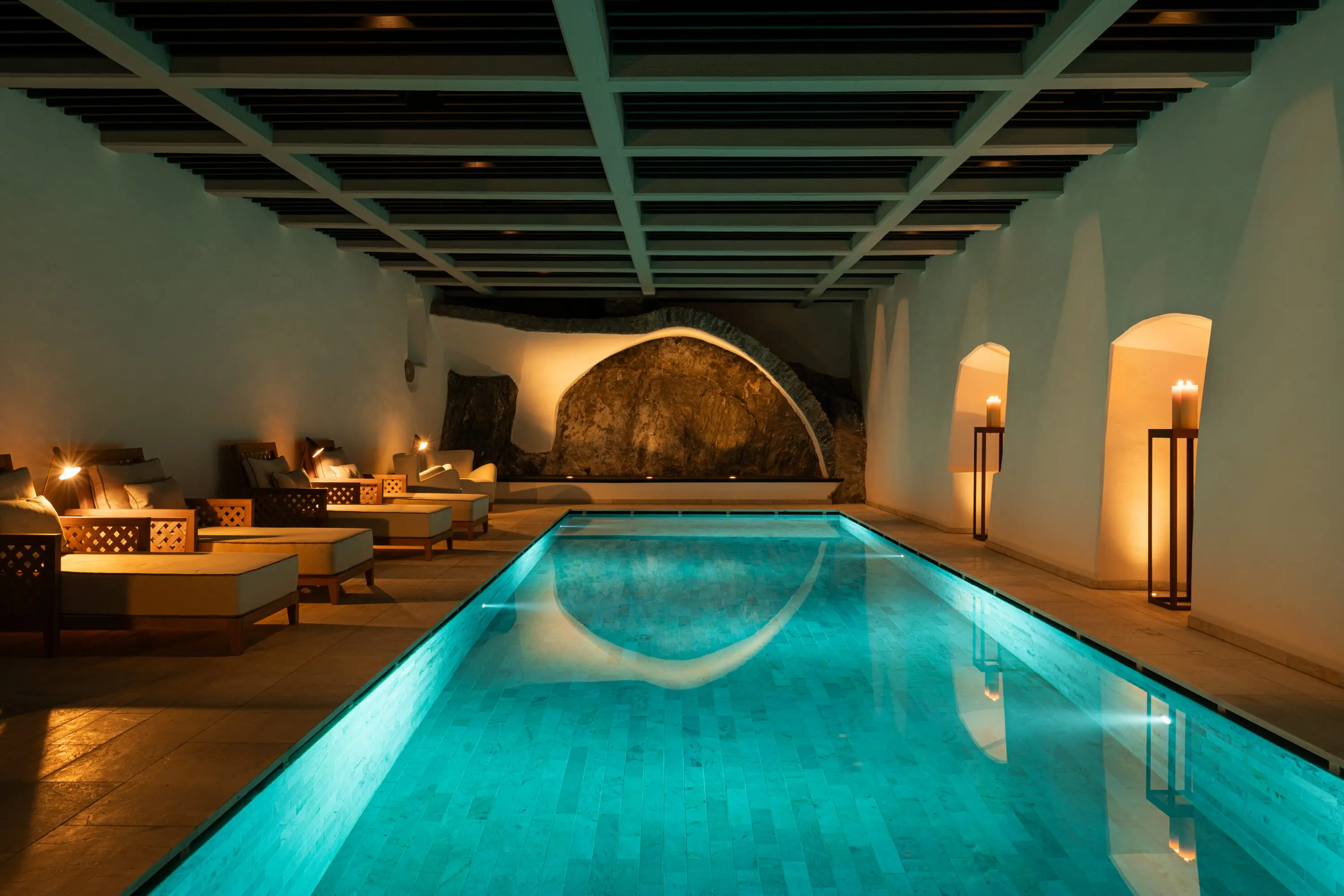
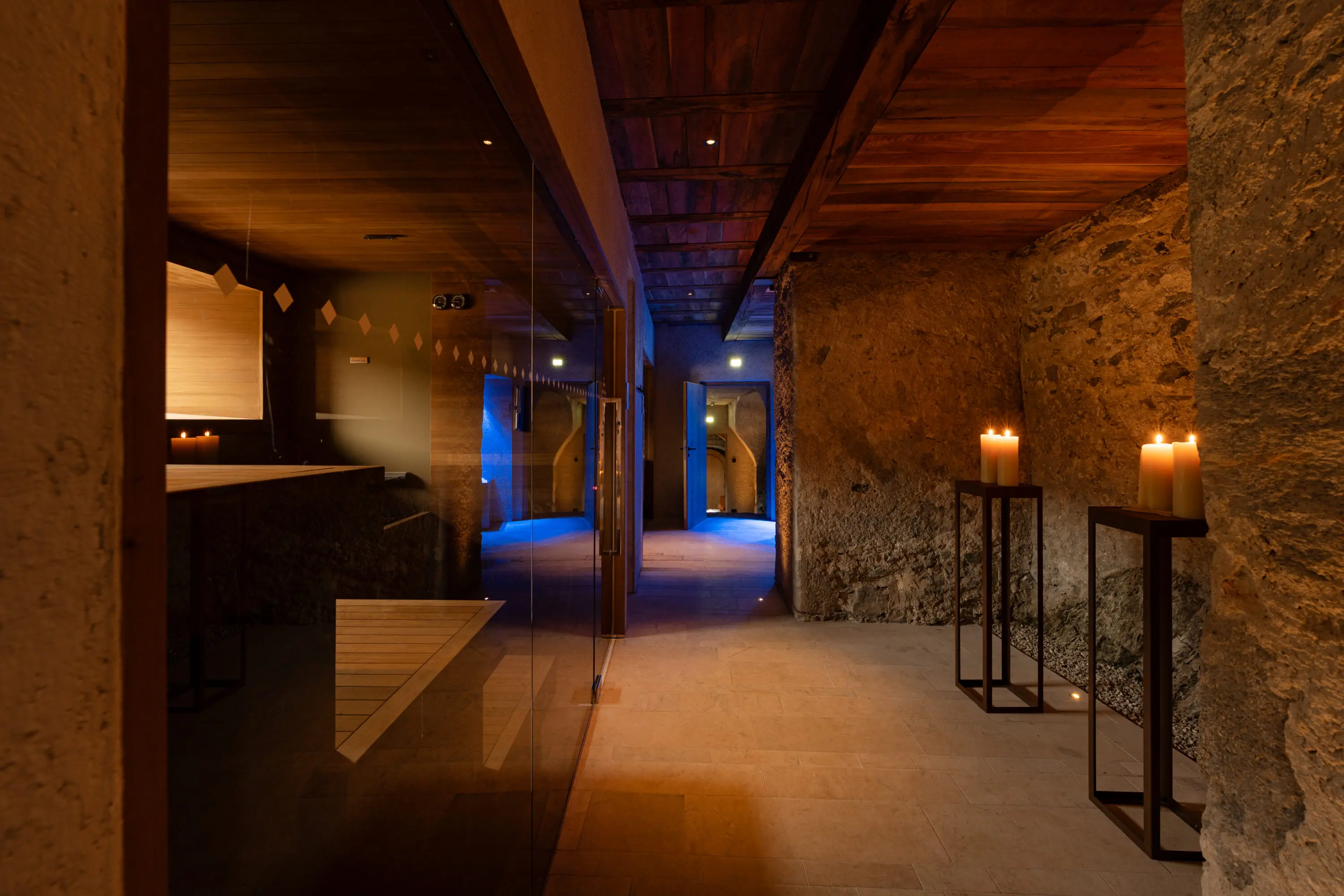
Spa & wellness area
Two heated outdoor pools
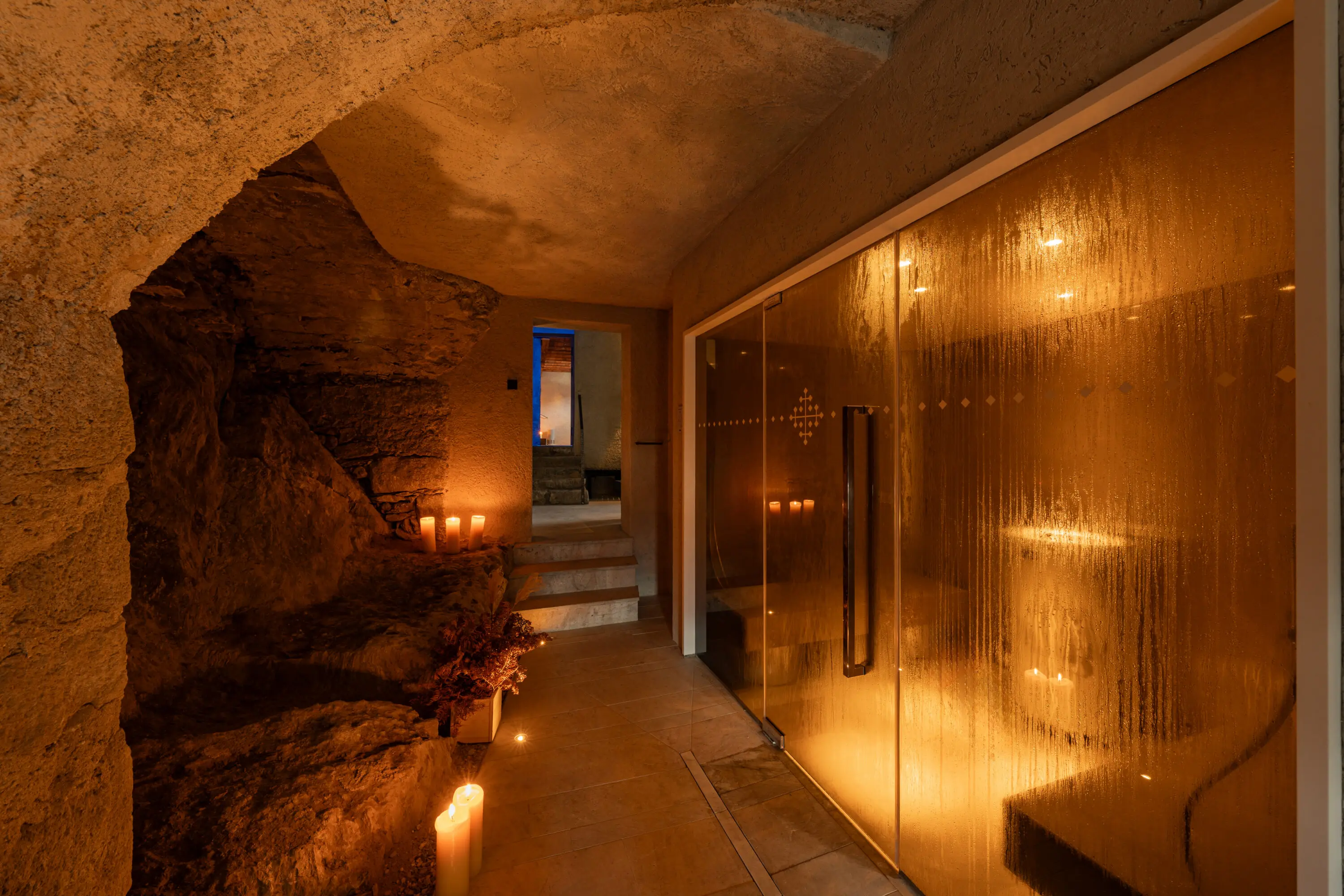
Three saunas
Fitness area
Turkish bath
Seventeen historic gardens
Bicycle hire

More

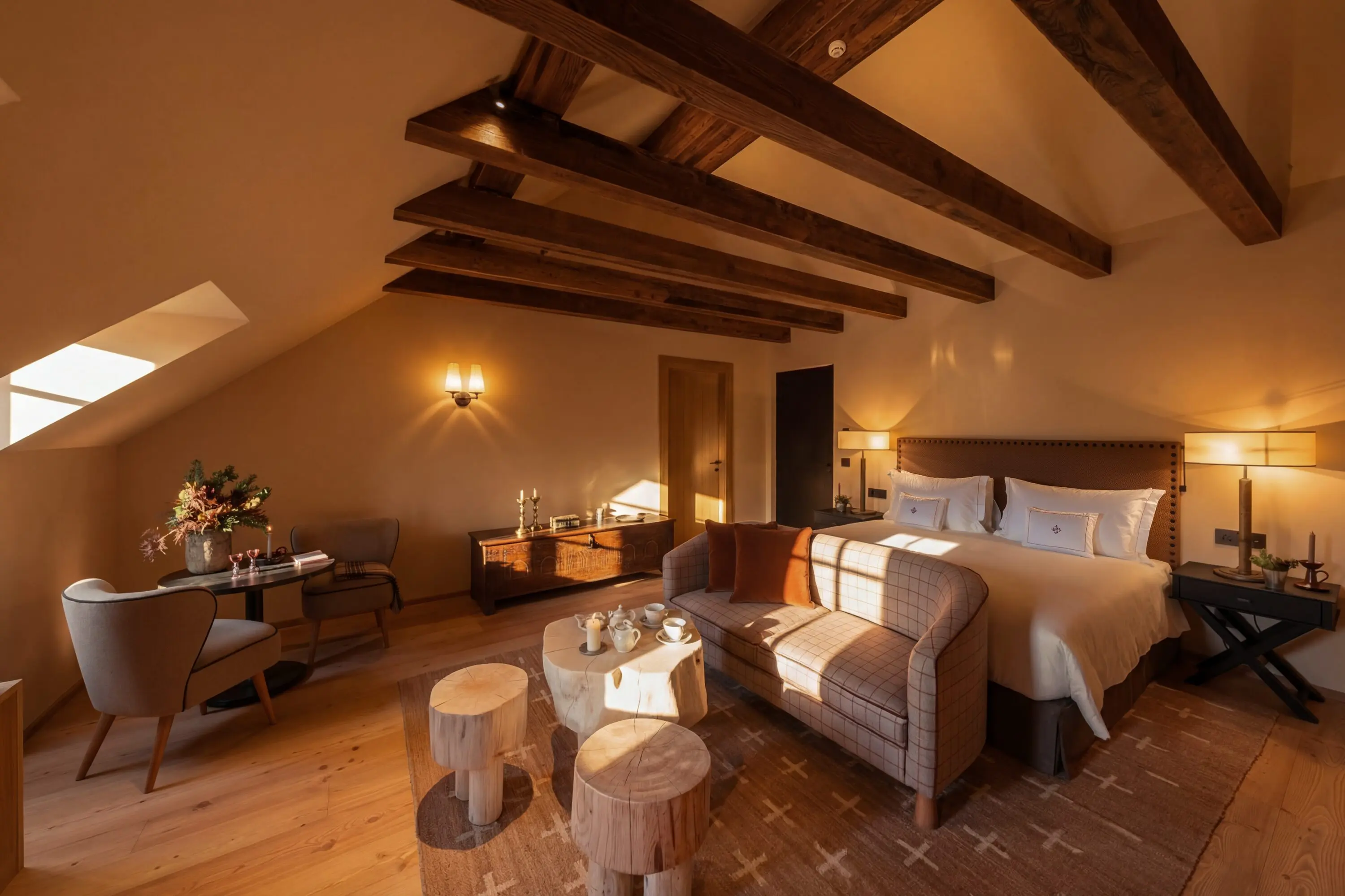
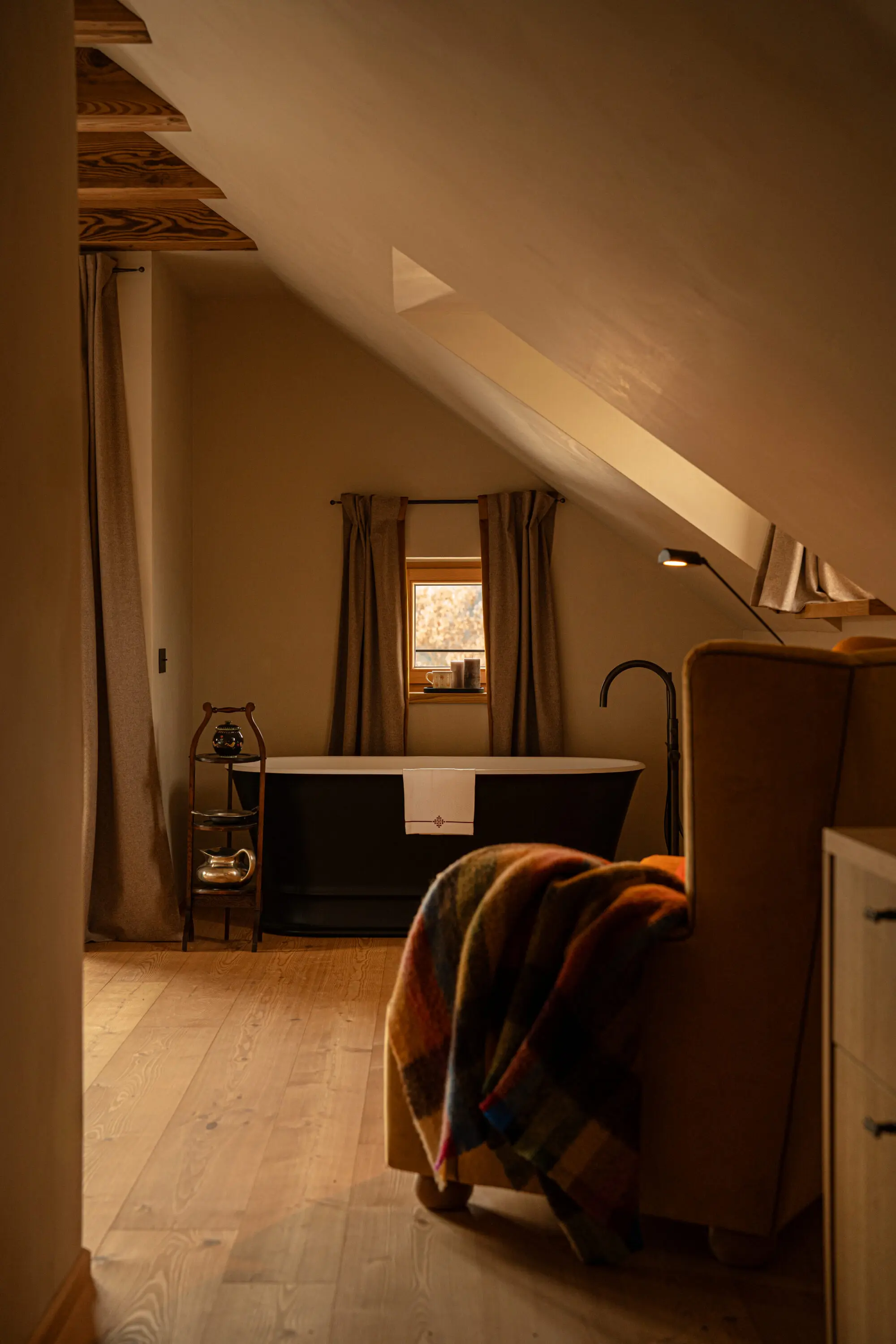
29 individually designed rooms & suites
Golf at Pustertal Golf Club

Words from Gunther Knötig, Co-owner & Custodian of Castel Badia.

“The form must adapt to the history.”

Every stay booked direct keeps value with the people of this place, so they can reinvest in culture, community and land

We believe travel should give back more than it takes; that it can protect cultures, not erode them.

That is why we connect you directly with each hotel’s own website. By booking direct, value remains in the hands of those who shape these places, enabling reinvestment into local culture, community, and land.

Book Castel Badia direct. Play a part in preserving the culture, community and landscape of this place.

Book Now

Castel Badia

A Thousand Years of Alpine History
Every stay booked direct keeps more value in the hands of the people who shape this place, so they can reinvest in local culture, community and land.